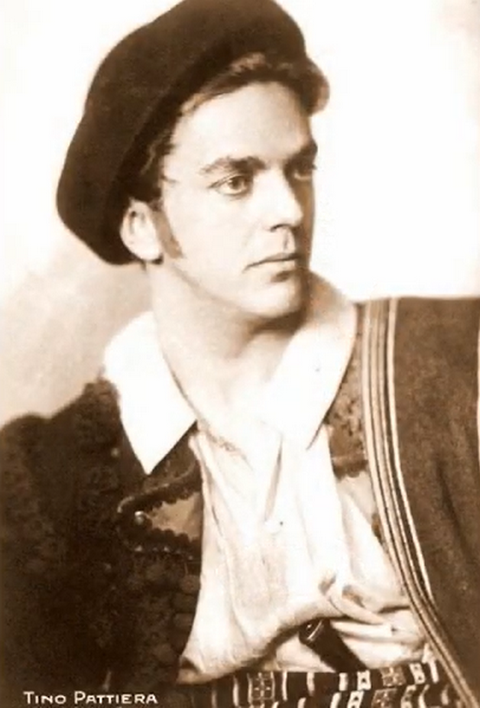
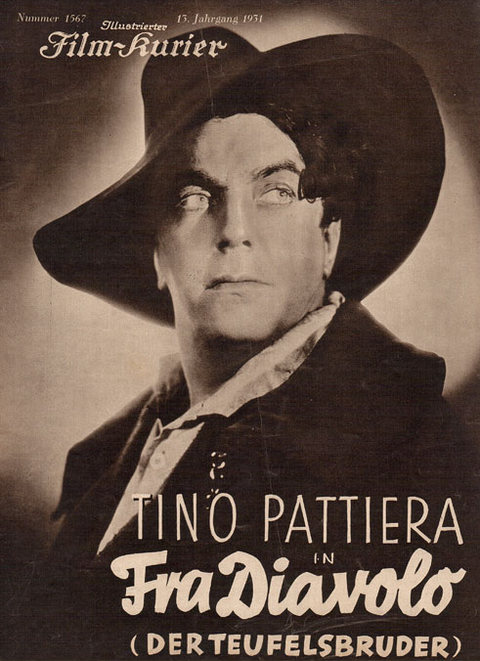
 Tino Pattiera was born in 1890 and died 1966 in his beloved town of Cavtat, Croatia. He was a world-renowned opera singer. His voice was a heroic, dramatic and delightful tenor, with perfect diction and pronunciation for both the German and Italian opera opus. He was an irresistibly attractive figure on the stage and is remembered by his attractive voice and appearance. Among other accomplishments, he was a lead in The Saxony Kingdom Opera House in Dresden and guest soloist at The New York Metropolitan Opera. He was among the greatest Croatian singers in history. |
| INTERNATIONAL OPERA ARIAS FESTIVAL – “TINO PATTIERA”EUR is named after and organized in the memory of the world famous tenor Tino Pattiera, born on 27 June 1890 in Cavtat, a town situated about twenty kilometres away from Dubrovnik, where he died on 24 April 1966. Tino Pattiera was one of major popular singers at the opera houses both in Europe and worldwide in the first half of the 20th century. He was the leading singer at the Royal Saxon Court Opera in Dresden and member of the Berlin State Opera. A tenor of a specific voice, he masterfully interpreted lyrical and dramatic title roles in operas by Bizet, Gounod, Auber, Leoncavallo, Massenet, Meyerber, Tchaikovsky, Moussorgsky, Verdi, Puccini, Wagner, Strauss and appeared with: Meta Seinemyer, Elisabetha Rethberg, Irma Tewrvani, Nelena Torti, Helena Jung, Mini Nast, Margareta Siems, Eva von der Osten, Erna Berger, Anka Horvat, Fridrich Plaschke, Robert Burg, Fritz Volgestrom, Richard Tauber, Adolf Lusman, Ivar Andresen, Curt Tauchnner, Max Hirzel, Paul Schoffler, Kurt Bohme, Mathieu A. Mayer and others. He worked with conductors Leo Blech and Fritz Busch. 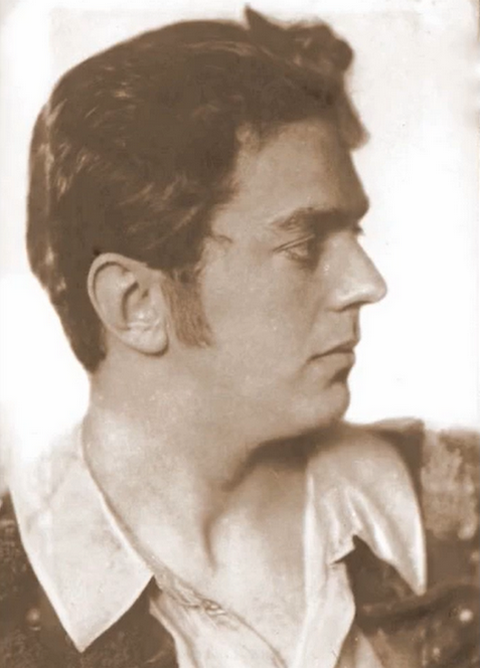 Having completed the Dubrovnik Grammar School, Tino Pattiera began to study medicine and later law, in order to eventually discover his lifetime profession – singing. He left for Vienna to study with Knight Horboucky-Ranier and Franz Habock, the finest music pedagogues at the time. His first role was that of Marnico in Verdi’s Troubadour in March 1916. Soon followed the roles of Rademes in Aida and Don Jose in Carmen. In 1919 he performed in Vienna and signed a contract for a series of twenty appearances. He also received invitations from the Berlin State Opera. At the same time, from 1924 to 1929, he was engaged both in Berlin and Dresden, so he often had to drive in his car in the night from one town to another. From 1921 to 1923 he was engaged at the Chicago Opera and the newspapers claimed that famous Enrico Caruso got his successor. Pattiera was equally good in lyric and dramatic tenor roles. He remained faithful to the Italian school of singing, but was, at the same time, attracted by some German operas. Thus he masterfully interpreted Bacchus in “EURoeAriadne auf Naxos” and Erik in “Der Fliegende Hollander” both in Dresden and in Vienna, and was brave enough to sing Tannhauser in the season 1930 – 1931.  His successful career continued in the 30es till the beginning of the World War II. He lost all of his property in the disastrous bombardment of Dresden on 13th February 1945. He left for Prague, where he extensively appeared at the National Theatre and gave singing lessons, until an invitation arrived from the Vienna Academy of Music and Theatre Arts. In April 1950 he arrived to Vienna and taught at the Music Academy for two years. Due to his deteriorating health he left teaching and continued to give private instructions. Tino Pattiera had his farewell concert in the Dresden Zum Weissen Hall in 1952.  Aged 70, he received a pension and the Federal Cross from the president of the former German Federal Republic for his merits in promoting German music for 25 years.
Participants in 2020
PROGRAM
3.7. Friday
4.7. Saturday at 9 pm
7.7. Tuesday
In cooperation with the Dubrovnik television and the Dubrovnik cinemas |
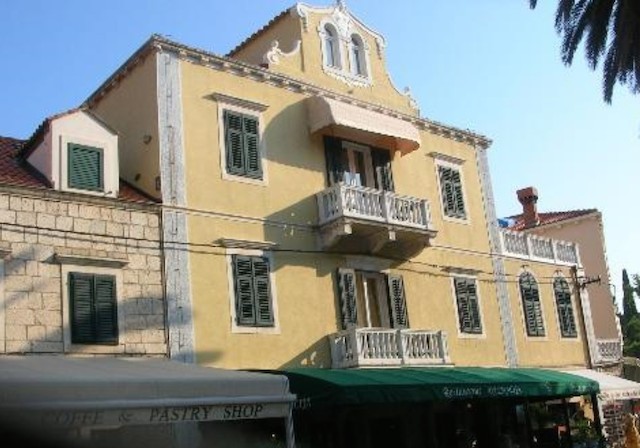


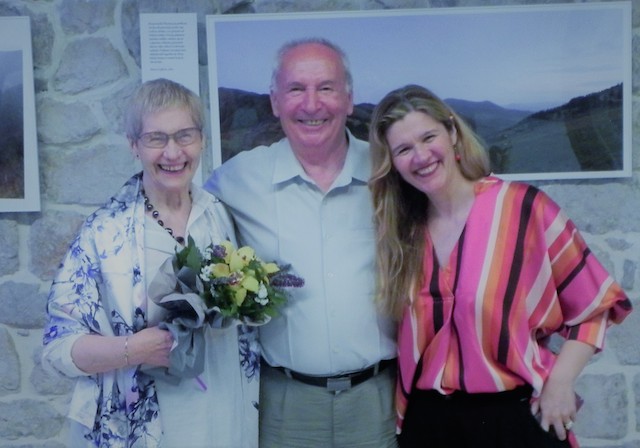
 Predavanjem Tko je zapravo bio Tino Pattiera? Franice Vidoviae Krampus, Vida Perueiaea te Denisa Ajdukoviaea zapoeelo je 13. izdanje Medunarodnog festivala opernih arija Tino Pattiera 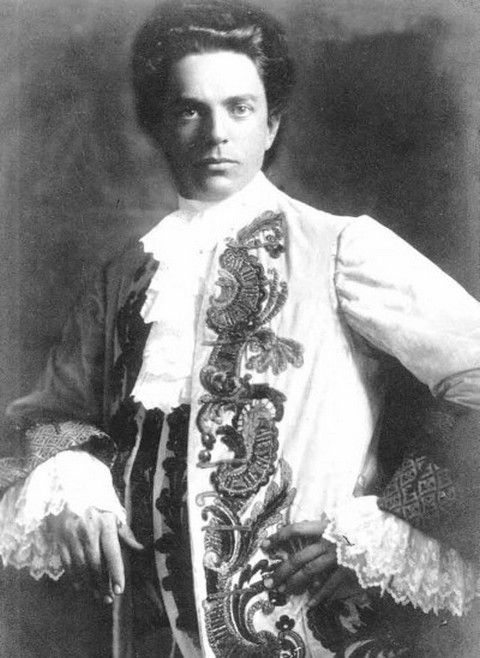 Vidoviae Krampus je odgovorila na pitanje treba li zaista postavljati pitanje ‘tko je bio Tino Pattiera?’ ili je njegovo ime veae urezano u kolektivnu svijest ljudi ovog podneblja.  – Pattiera je cijeli 3/4 ivot imao sebe, on je dosta 3/4 ivio, pa pomalo i rasko1no, veselo, pjevao je po dru1tvima. Medutim, velieali su ga kao d 3/4 entlmena i ribara i eovjeka koji je dobrog imovinskog stanja, ali isto tako, 1to mu se dogodilo kad je do1ao Drugi svjetski rat?! Ostao je bez svega! U kazali1tu u Dresdenu, koje je kraljevsko, eksplodirala je bomba te smo ostali bez arhiva u kojemu su bili i podaci o njemu. Kad sam oko 2000. poeela pisati o njemu, a Dru 3/4 ba “Braaea Hrvatskog zmaja” me je uputilo na to, dala sam se na posao, ali jako je te1ko otkriti odakle i 1to, na kraju sam do1la do jedne knji 3/4 ice jedne vrlo drage njegove prijateljice kojoj je prieao stvari o sebi pa sam to prevodila s njemaekog, pojasnila je Vidoviae Krampus.  Potom je predavaeica iznijela svoja sjeaeanja. 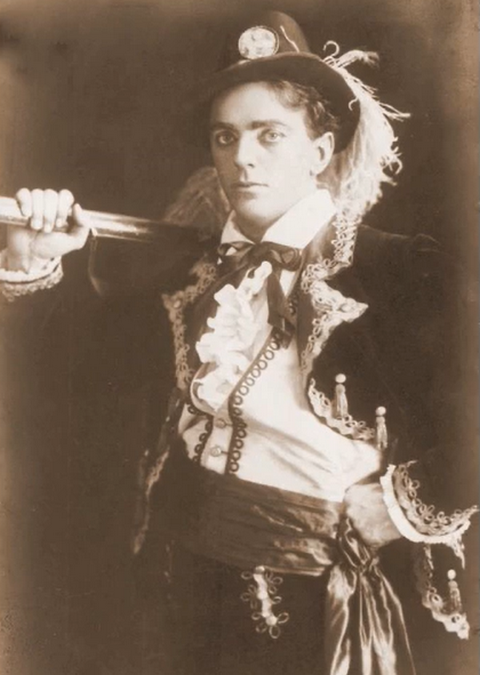 Objasnila je profesorica 1to je bio njegov najveaei pad.  Prokomentirala je Vidoviae Krampus kako ne bi rekla da je da Pattiera danas zaboravljen. 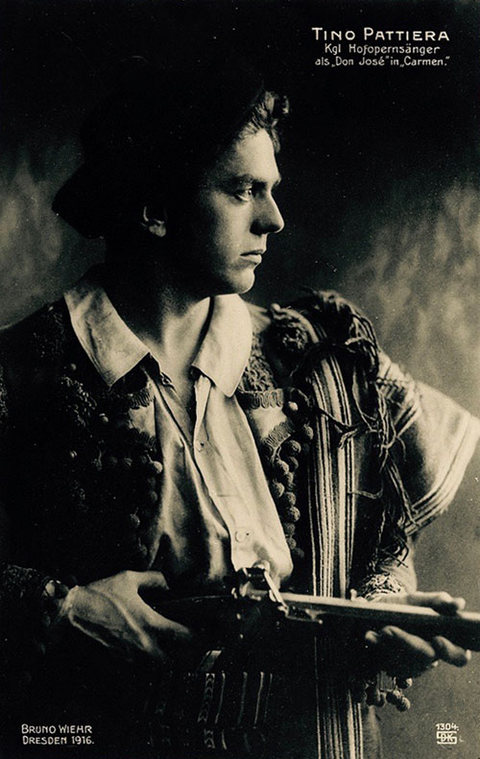 Festival aee se zbog epidemiolo1ke situacije odr 3/4 ati do 7. srpnja i to u malo skromnijem izdanju, a nastavlja se koncertom ispred Katedrale 3. srpnja u 21 sat. Dubrovaekim simfonijskim orkestrom aee ravnati njegov 1ef dirigent Marc Tardue, dok aee kao solistice nastupiti dvije etablirane hrvatske operne pjevaeice, sopranistica Martina Zadro i mezzosopranistica Dubravka (C)eparoviae Mu1oviae. Na programu je izbor najljep1ih opernih arija svjetskih i hrvatskih skladatelja, od Mozarta, Rossinija, Verdija, Bizeta, do Gotovca i Zajca. 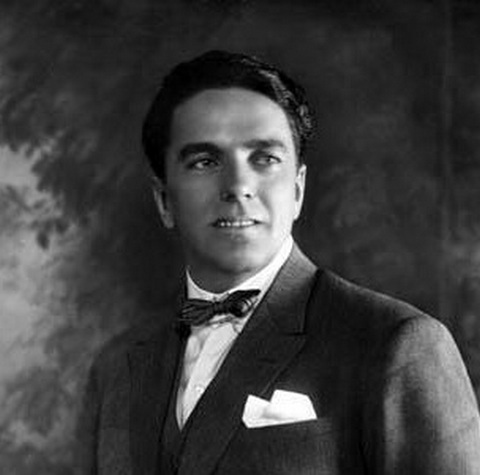 Tino Pattiera in Dresden in 1926
|