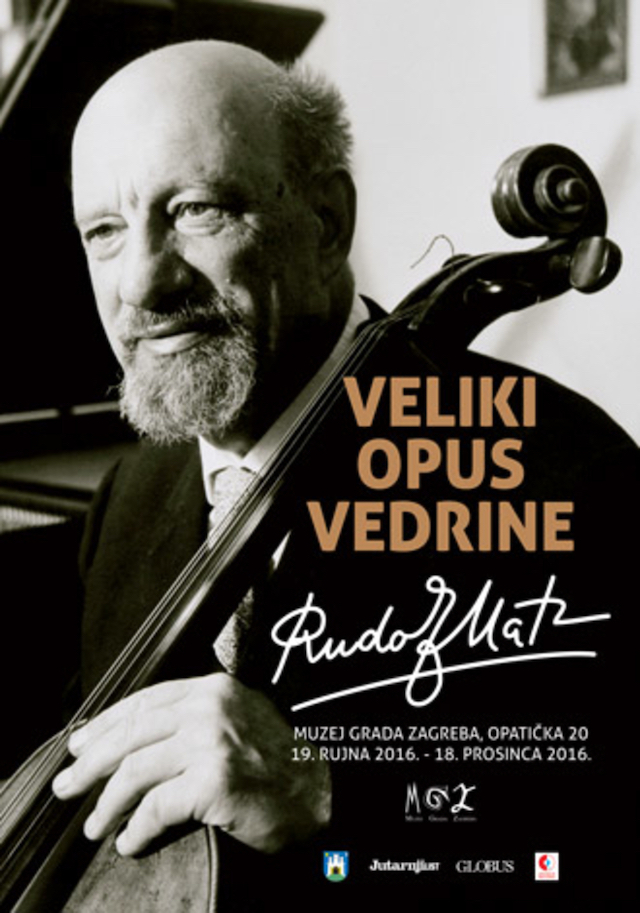
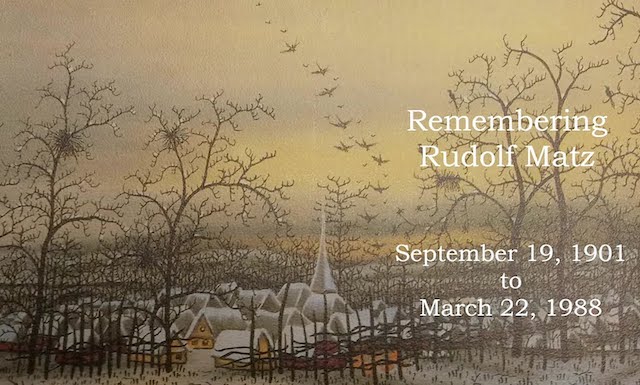
Croatian born Rudolf Matz (1901-1988) began work on what would become his First Years of Violoncello in the early 1940-s, and he would continue to expand, revise, and make more complete this monumental undertaking for the next 45 years. His interest and experience as a teacher, performer, composer and author informed the content of these of these technical exercises, etudes, and concert pieces, as did his early life experience as a competitive sprinter and his later interest in and study of anatomy, physiology, and ergonomics.
Furthermore, Matz’s work with the Vaclav Huml, a Prague-trained violinist and former student of Sevcik, and Antonio Janigro, a virtuoso cellist well-versed in the modernizations of cello technique by Casals by way of Janigro’s study with Diran Alexanian provided a model and added richness and depth to Matz’s endeavor.
The 31 volumes of Matz’s First Years of Violoncello were published in Zagreb between 1946 and 1971, but these editions are no longer in print. Many of the works have been newly published by Dominis Music beginning in 1982 – a publishing house established by Matz’s former student and friend, Slobodan Gospodnetic.
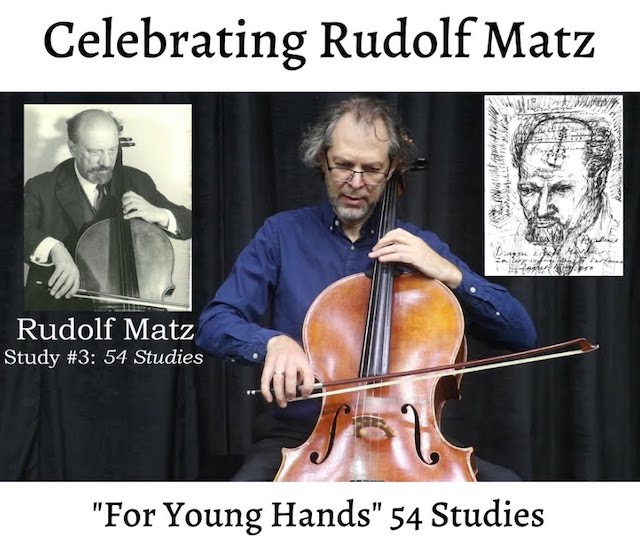
All of the pieces I (Stephen Feldman) will add to this channel in the first part of this Celebration of Rudolf Matz are published by Dominis Music and are widely available.
Stephen Feldman: Celebrating Matz (YouTube channel, consists of 213 videos, as of Nov 2024)
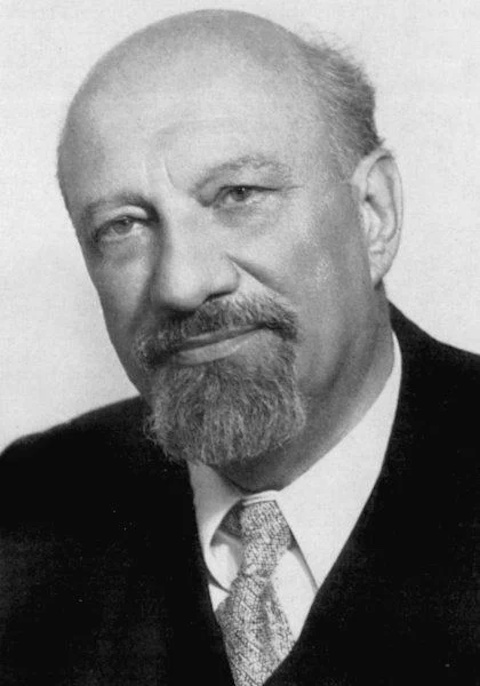
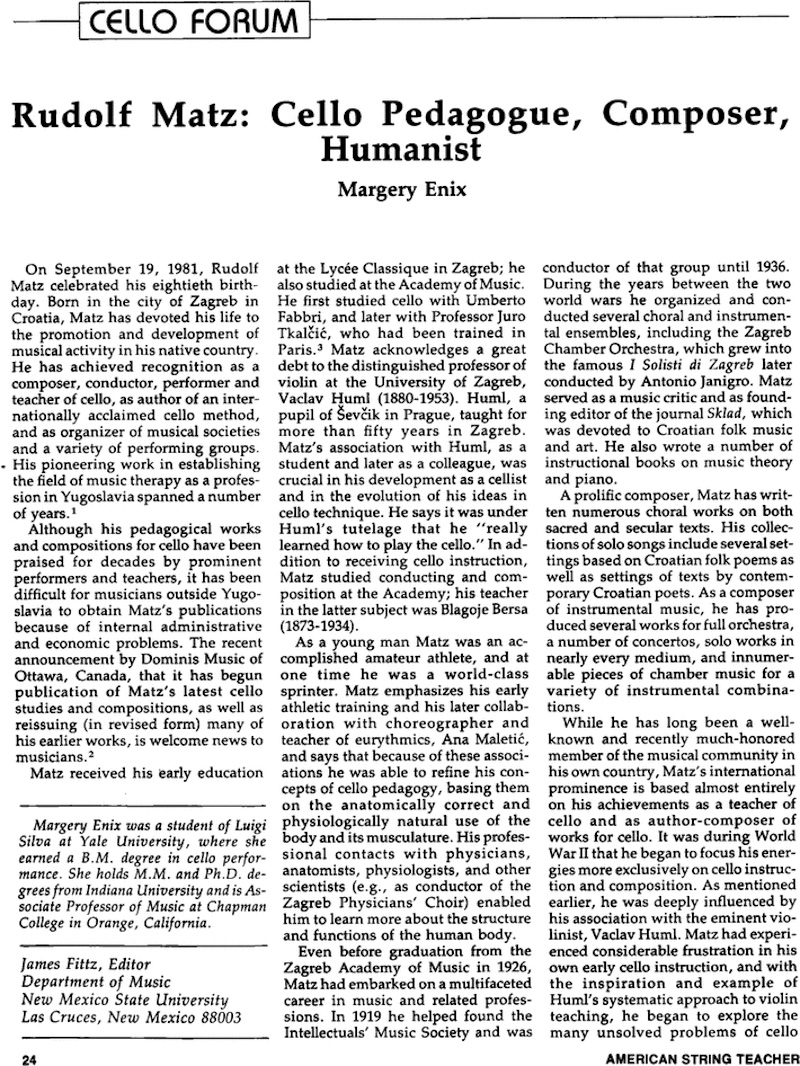
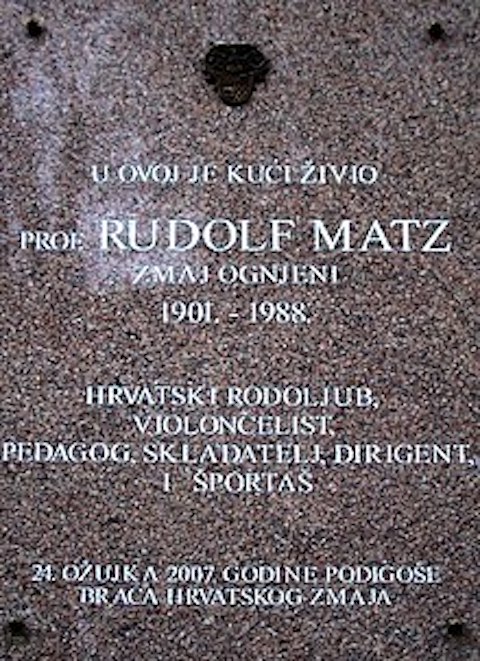
Rudolf Matz Cellist, Teacher, Author
Born in Zagreb, Croatia in 1901, Rudolf Matz studied cello, composition, and conducting at the Zagreb Academy of Music, graduating in 1926. His musical career is noted for its diversity and he has long been recognized as one of the leading figures in the cultural life of his native country. He was appointed Professor of Cello at the University of Zagreb in 1950 and held that position until his retirement in 1972. He has served as a member of several juries for the International Tchaikovsky Competition in Moscow since 1966. A prolific composer who has written works for a wide variety of media, Matz has produced nearly 100 compositions for cello or cello ensembles.
His magnum opus, the 31-volume method, entitled First Years of Violoncello, was first published in Zagreb with various volumes appearing between 1946 and 1971. Cellists throughout Europe and North America soon recognized the importance of this work, which has been described as the best and most comprehensive method for cello since the publication of J.L. Duport’s Essay on Fingering the Violoncello and on the Conduct of the Bow in the early 19th century.
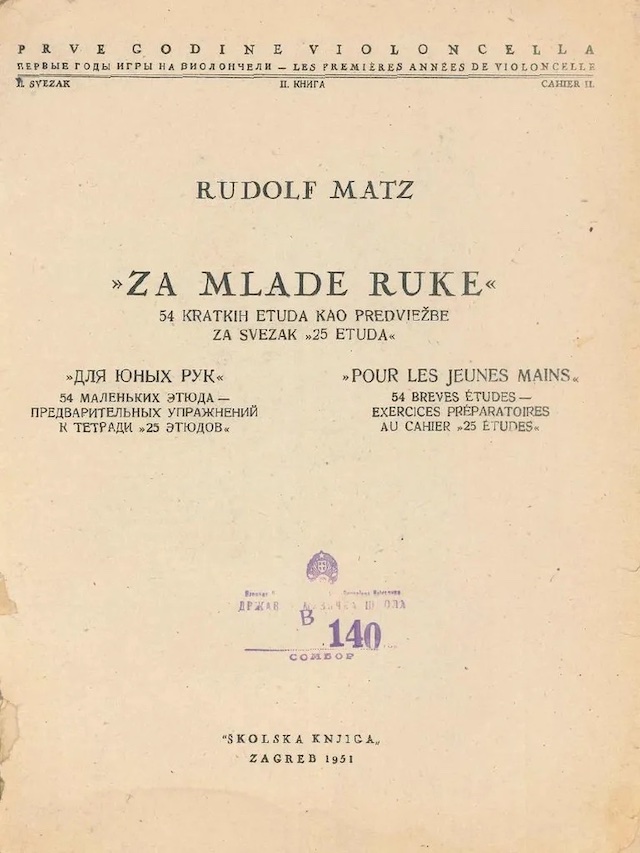
“For Young Hands”, cello manual published in Croatia’s capital Zagreb in 1951
Professor Matz’s pedagogical works and compositions for cello are based on a profound understanding of the historical evolution of cello playing as well as on his own practical experience as a performer and teacher. They differ significantly from other 20-century cello works in that he has thoroughly and systematically revised the pedagogical approach to the all-important early years of technical and musical development. His revisions include: practical application of relevant concepts and recent discoveries from the fields of anatomy, physiology, sports medicine and psychology; correction or elimination of various pedagogical “errors” such as over-extension of the left hand which appeared in some early 20th-century methods; and the successful combination of the best features of various schools of technique in a balanced and practical form. Rudolf Matz died in Zagreb, Croatia in 1988.
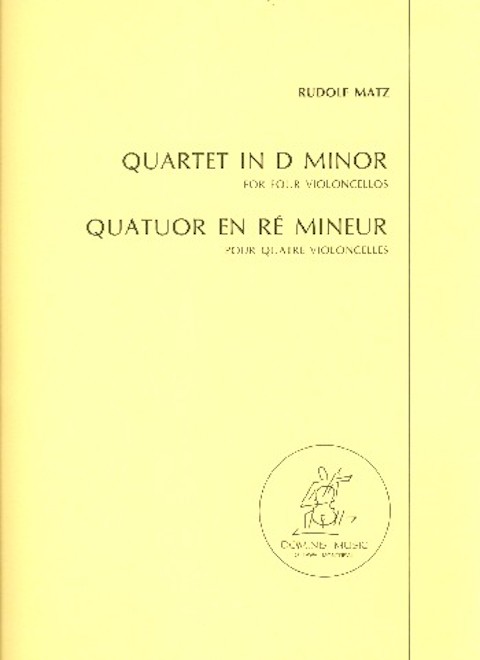
Dominis Music was founded with the express purpose of publishing string music. Dominis Music began producing new editions of the works of internationally acclaimed cellist/composer Rudolf Matz in 1982 and progressed to the publication of works for cello and other string and chamber music written by both contemporary and Classical composers.
Our Founder
Slobodan Gospodnetic’s experience of the pedagogical genius of Matz dates back to his youth in Zagreb, Yugoslavia where Rudolf Matz was his first cello teacher. Over the years, their student-teacher relationship developed into a friendship and professional association. After moving to Canada and beginning his own career as a performer and teacher, Slobodan became aware of the limited distribution of Matz’s valuable work and developed a keen interest in seeing to it that his unique contributions to string pedagogy did not fall into oblivion. It was this interest, together with Matz’s encouragement, which inspired Slobodan to establish Dominis Music.
Dominis Music
The latest publication, Freedom and Flexibility of the Violinist’s Left Hand, by Borivoj (Boro) Martini-Jeri has been praised as an, “indispensable, innovative and invaluable tool, which will help students and professionals alike understand the intricacies of left-hand motion”. This publication includes a demonstration DVD.
Dominis Publishing
Building upon the important aspect of music history, the study of influence, especially the influence of musicians of each generation upon those of succeeding generations. In addition to publishing the works of Rudolf Matz, Dominis Publishing is proud to publish the works of other influential musicians, poets, artists and authors, such as Margery Enix, Ivan Lackovic-Croata, Dragutin Tadijanovi, Antun Gustav Matos, Ivan Maurani, Jugoslav Gospodneti, Antonin Kraft, Jacques Faubert, and Gertrude Perreault.
In an interview in his late years, Matz espoused the following credo:
My experience has shown me that music has a very great influence on people. This was the crucial factor that led me to devote my life to music and especially to teaching and showing people how to discover beauty in music. I believe that an understanding of the inherent beauty of musicen riches human character and gives it a wider humanistic base. It is this humanism which I wanted, with the help of music, to develop in people.
Translated from Croatian by Vesna Blaina. Published in Gaudeamus No 16-17, June 1998, p. 26.
Andre Navarra: My Cello Technique (New English subtitles)
With this article, we wish all readers of CROWN and their families
a Merry Christmas and a Happy New Year 2025!
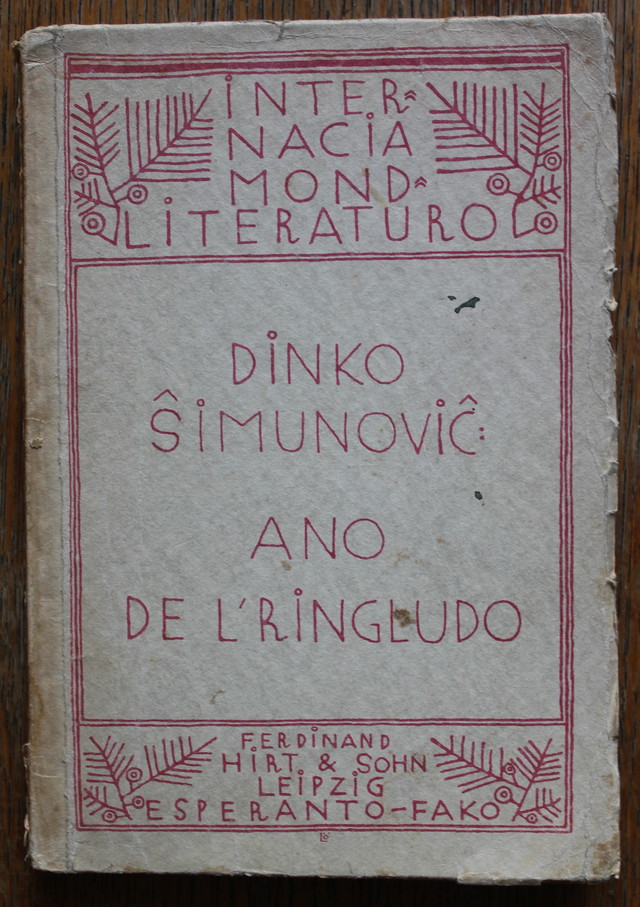
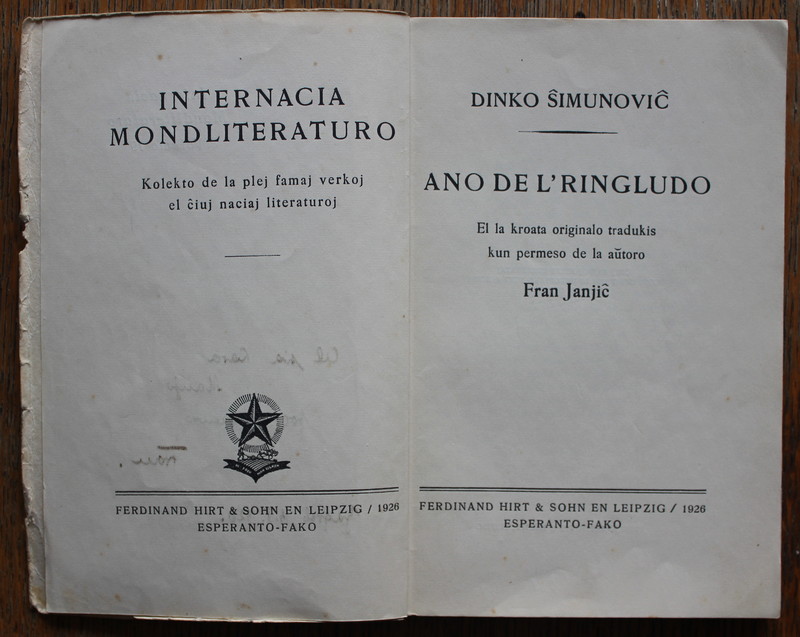
Esperanto translation (from Croatian original) a tale Alkar written by Dinko imunovi (1873-1933), published in 1926 in Leipzig, Germany.
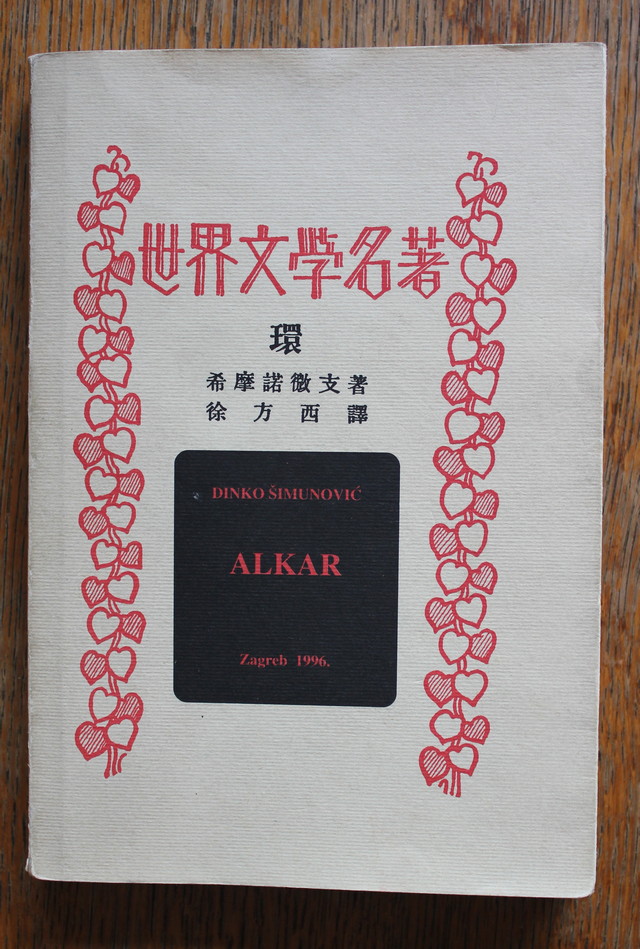
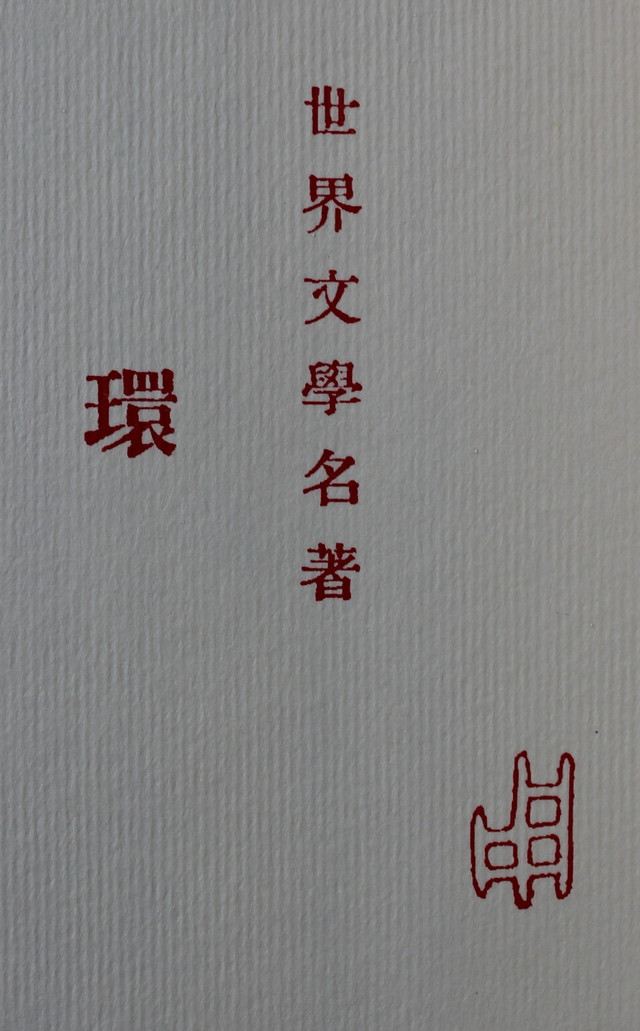
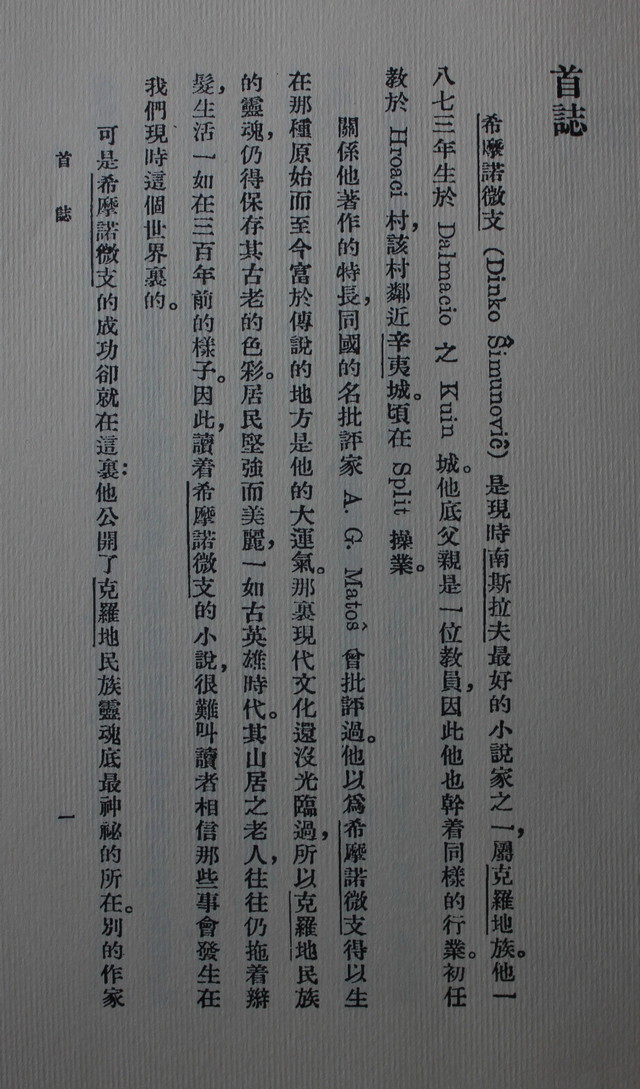
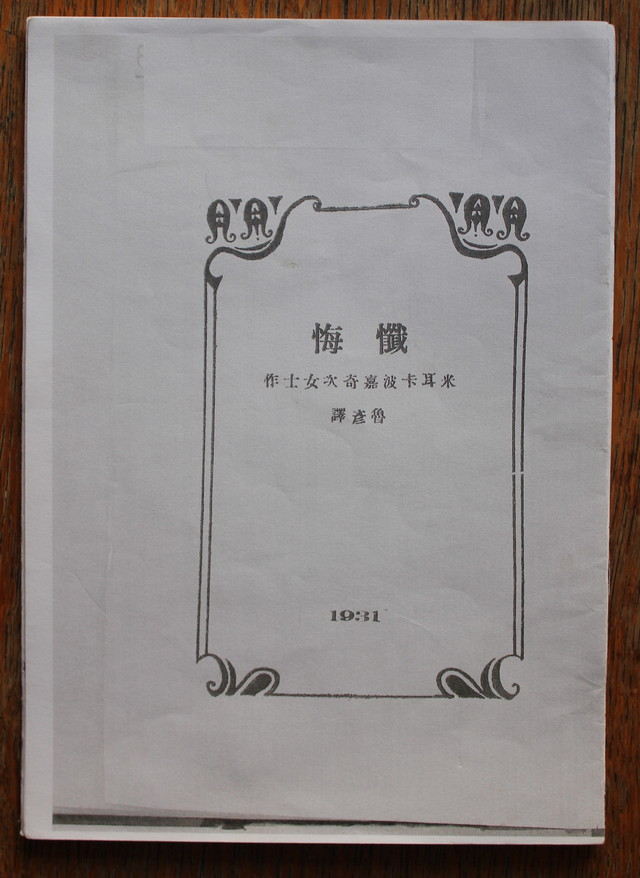
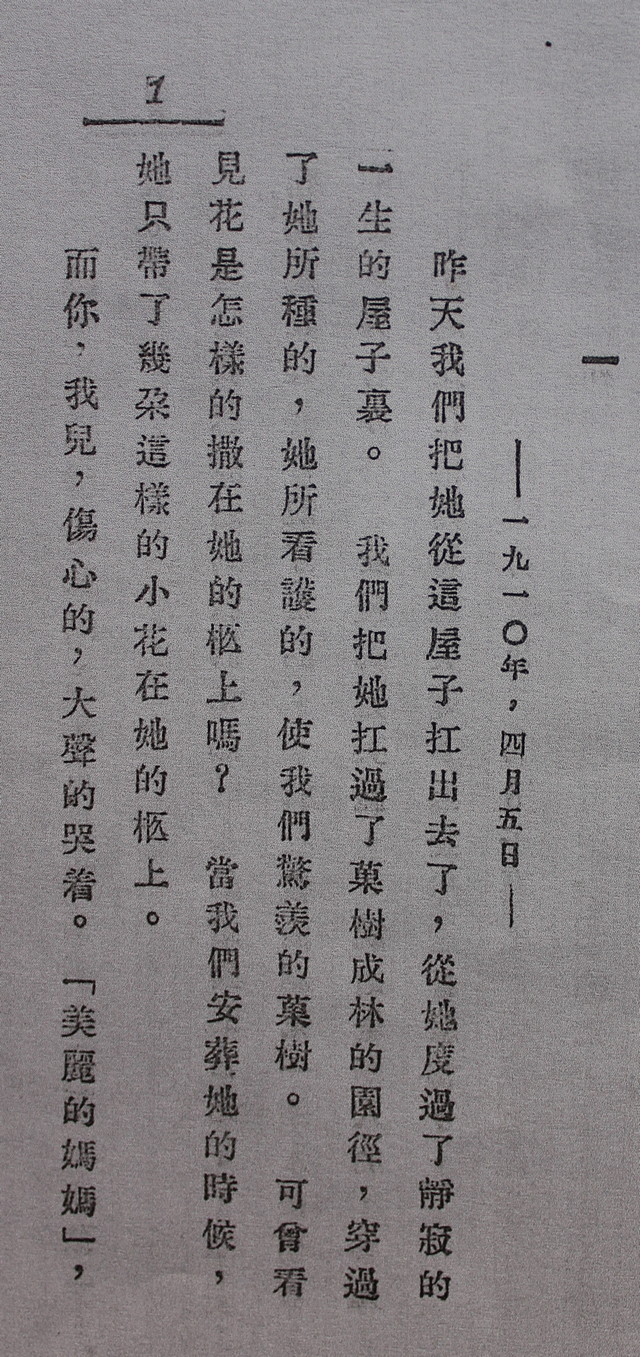
Chinese translation (from Esperanto) of Dinko imunovi’s Alkar, by Su Fang Si in Shaghai in 1936.
Reprint of Chinese edition was published in Zagreb in 1996.
Croatian Esperanto literature has its beginnings since 1908. Croatian Esperanto-League (KEL, Kroata Esperanto-Ligo, Hrvatski espernatski savez) was founded in Zagreb in 1909. Many Croatian literary books have been translated into various languages worldwide due to their translations into Esperanto. Especially interesting are translations into Chinese, Japanese, Korean, Bengali, and Parsi languages. So, for example, children of Bengal can read Strange Adventures of Apprentice Hlapi by Ivana Brli Maurani due to its translation from Croatian into Esperanto.
Mrs. Spomenka timec, former president of KEL (Kroata Esperanto-Ligo, i.e., Croatian Esperanto-League), Zagreb
Since 2008, Esperanto heritage in Croatia was proclaimed as
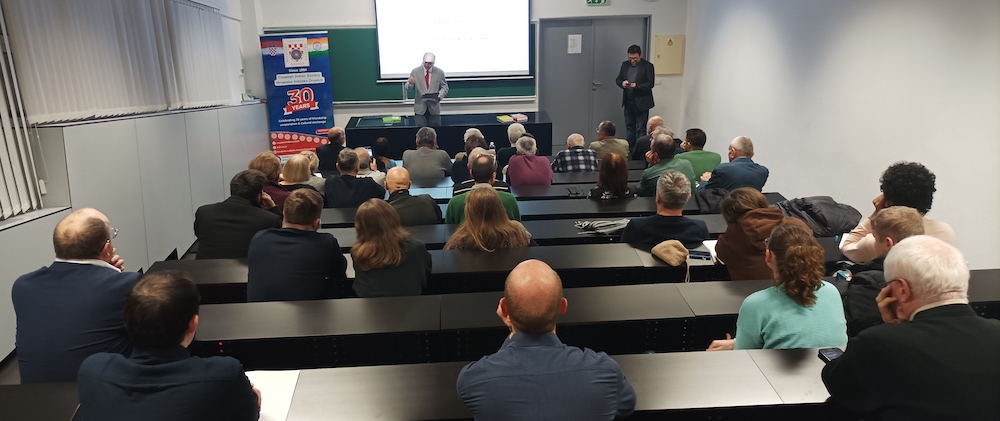
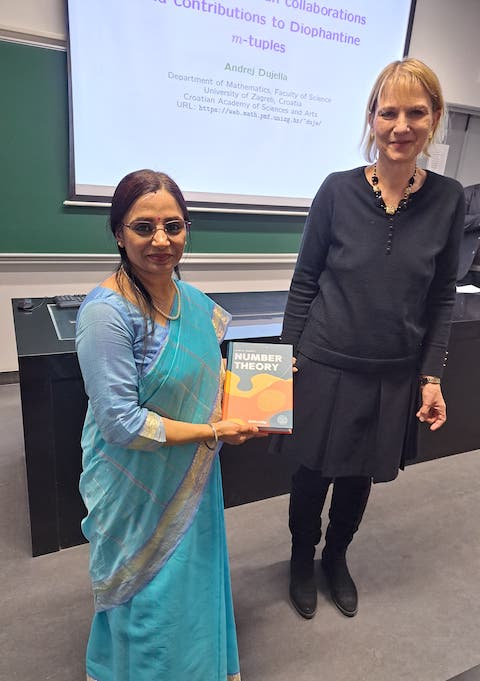
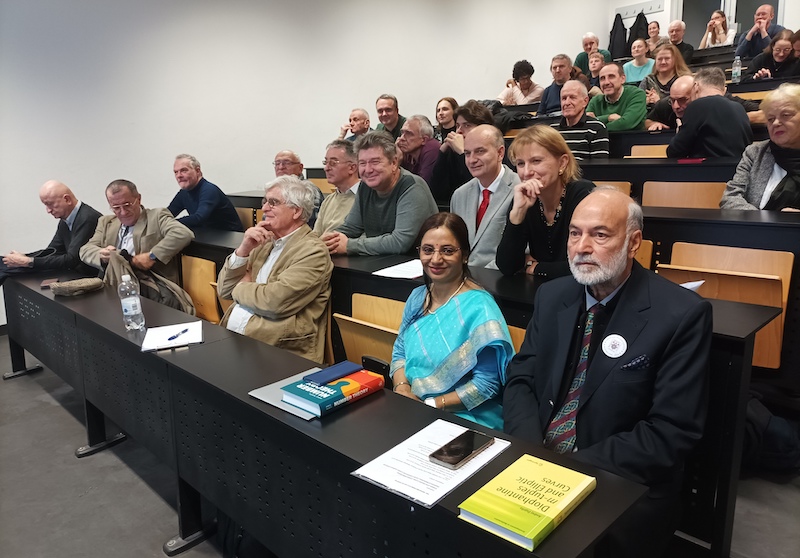
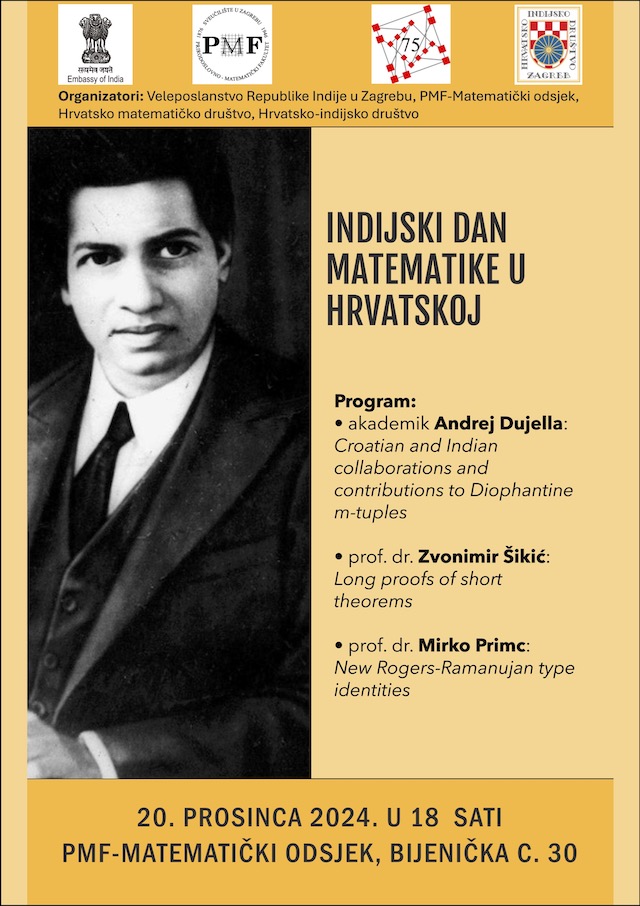
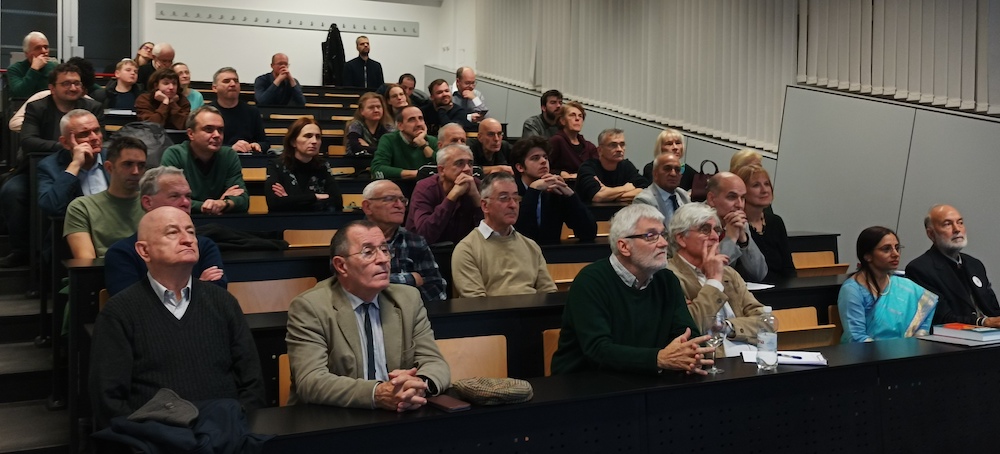
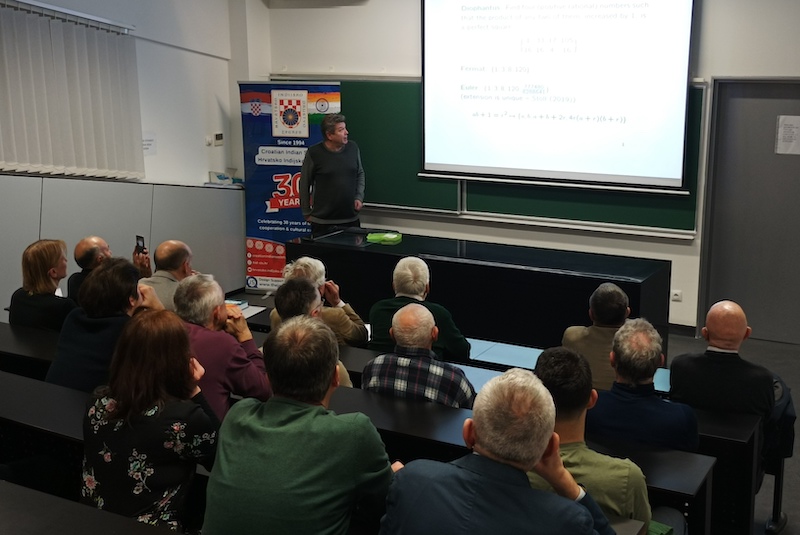
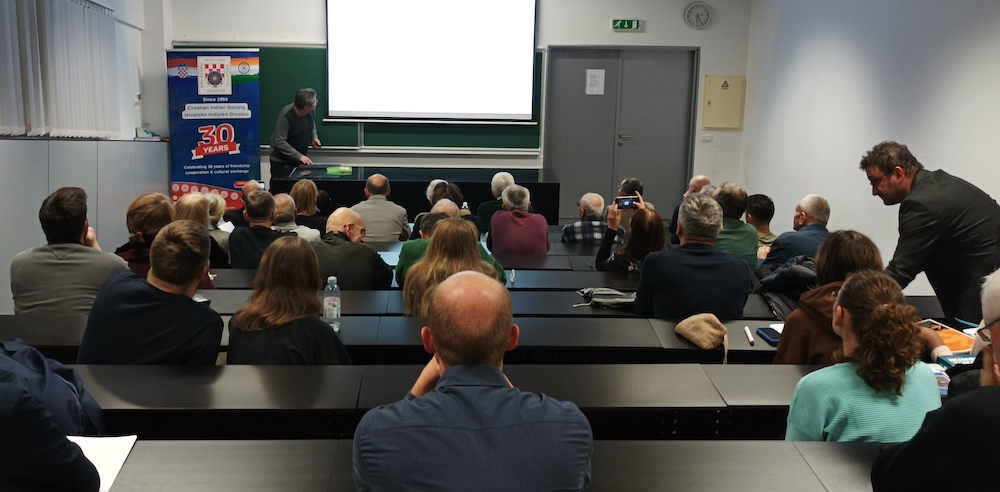
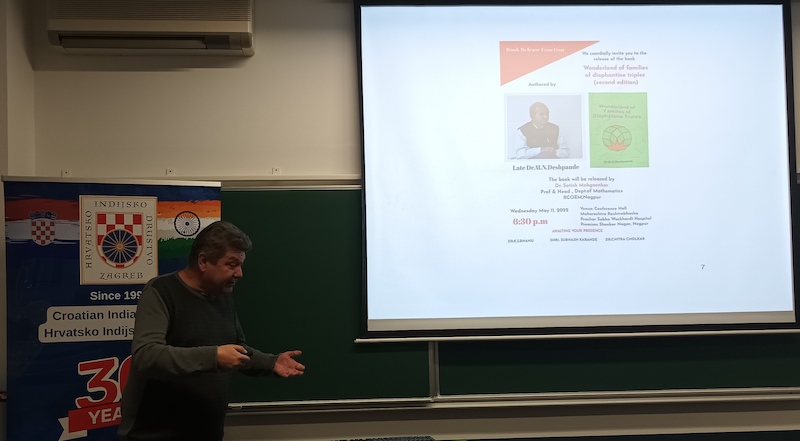
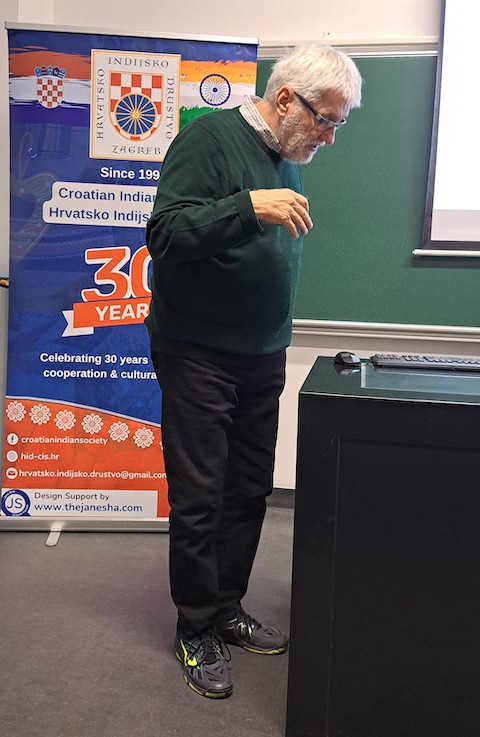
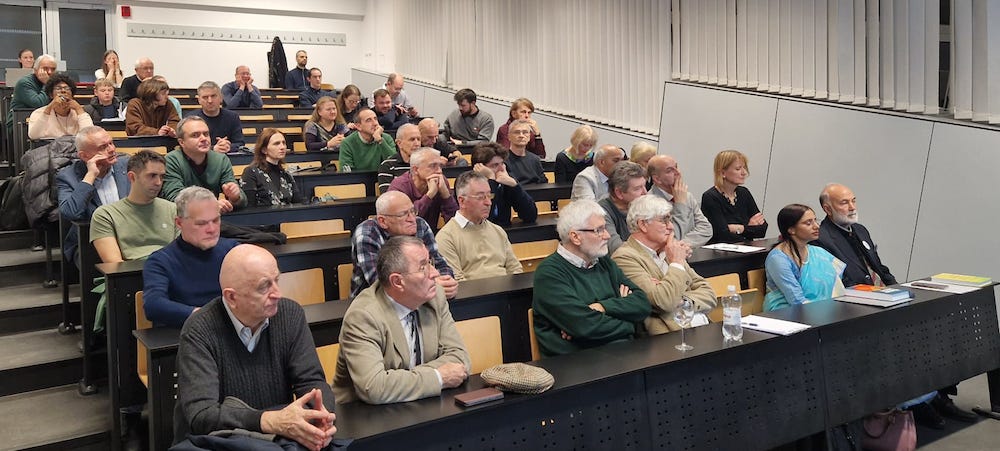
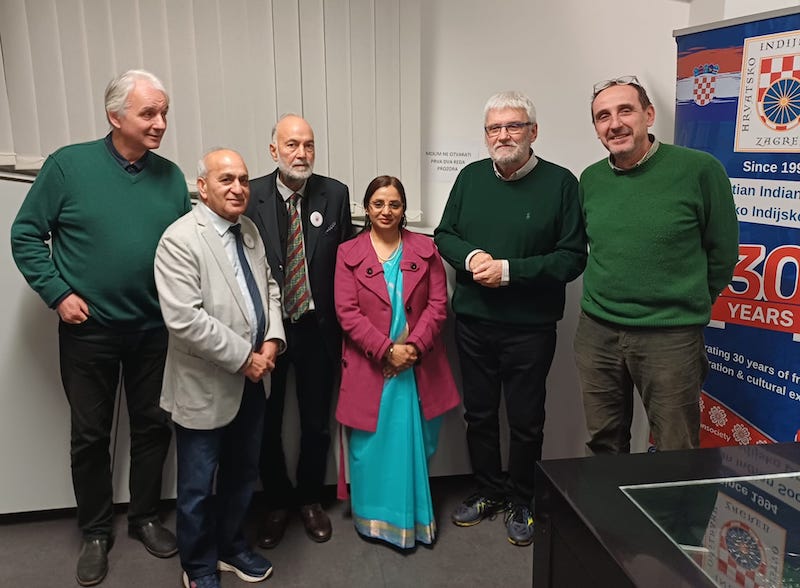
About 40 mathematicians plus several guests have participated at the meeting honoring the birth of Srinivasa Ramanujan, the greatest Indian mathematician in history. This yearly event, already fourth in order, was organized at the Mathematics Department of the Faculty of Science of the University of Zagreb. The principal sponsors were the Embassy of India, the mentioned Math Department, along with the Croatian Mathematical Society, and the Croatian-Indian Society.
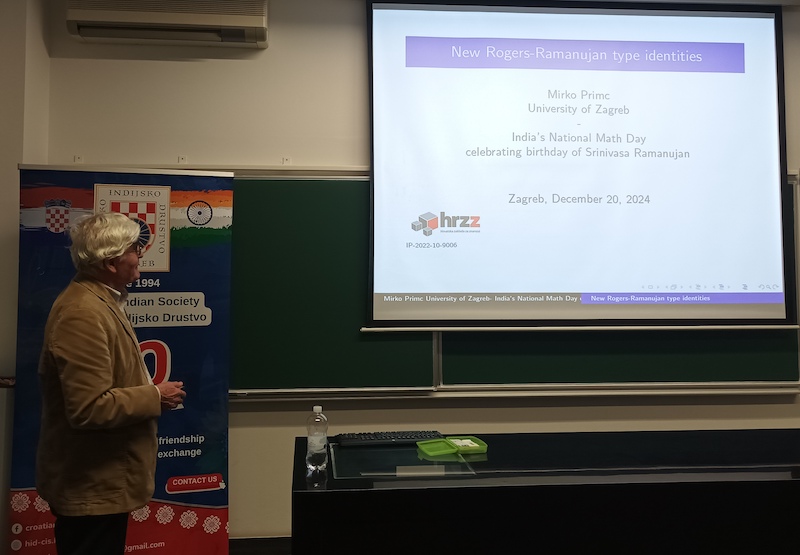
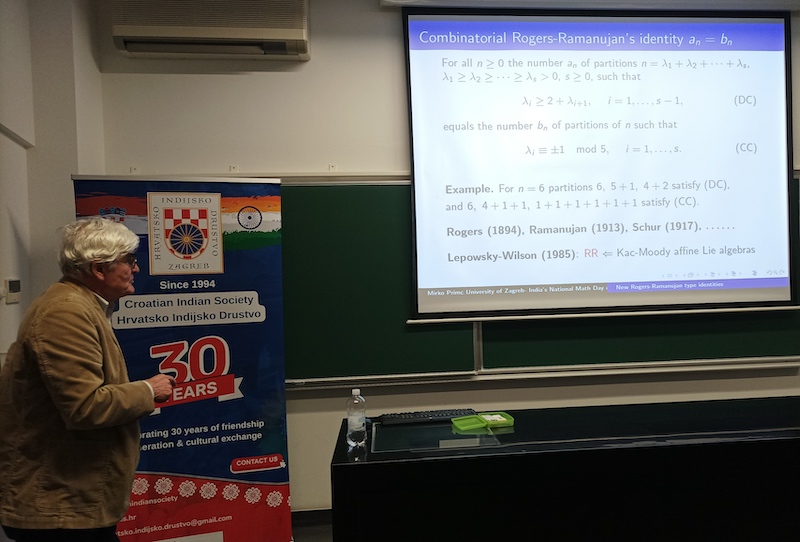
Three short, but very interesting 15 min lectures were delivered by distinguished Croatian experts Professors Andrej Dujella, Zvonimir iki, and Mirko Primc, with the respective titles as follows:
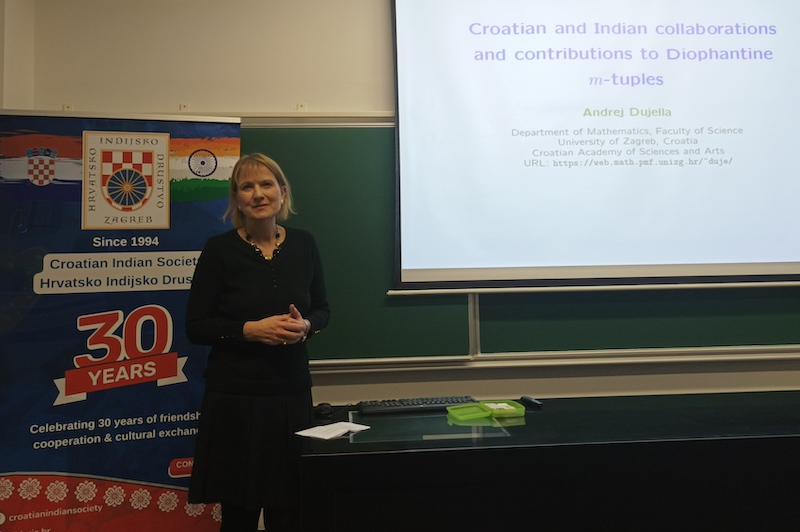
Croatian and Indian collaborations and contributions to Diophantine m-tuples
Long proofs of short theorems
New Rogers-Ramanujan type identities
The meeting was greeted by representatives of the organizers of the event:
Professor Luka Grubii, in the name of the Department of Mathematics of the Faculty of Science of the University of Zagreb
Professor Mirko Planini, the Dean of the Faculty of Science
Mrs. Pallavi Kararha, in the name of the Embassy of the Republic of India in Zagreb
Mr. Joginder Singh Nijjar, the president of the Croatian-Indian Society, and D. ubrini, its vicepresident.
The first two celebrations of the Indian National Mathematics Day (marking the birthday of Srinivasa Ramanujan, 22nd December), organized at the Napredak Cultural Centre in Zagreb, are described here:
The third celebration was organized in December 2023 at the Mathematics Department of the Faculty of Science, University of Zagreb, where besides H. E. Raj Kumar Srivastava (who initiated these events in Zagreb), also Professors Hrvoje iki and Zoran Vondraek participated with their lectures.
On the right, Mr. Joginder Singh Nijjar, president of the Croatian-Indian Society in Zagreb,
published by Springer in 2024. In the second row, the first three persons from the right are
Professors Vesna upanovi, Mirko Planini, and Andrej Dujella, a Fellow of the Croatian Academy of Sciences and Arts.
Srinivasa Ramanujan (1887-1920) on the left, the greatest Indian mathematician in history. Many thanks to Dr. Tvrtko Tadi for his kind help in creating this poster.
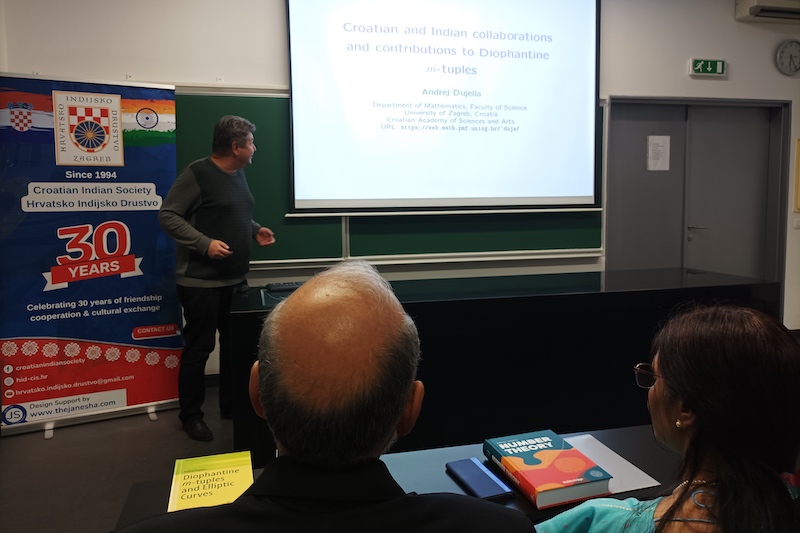
Professor Andrej Dujella, delivering his very condensed, 15-min lecture, about his ongoing work.
In the first row from the left: Professors Vladimir Volenec, Dragutin Svrtan, Zvonimir iki, Mirko Primc, Mrs. Pallavi Kararha, and Joginder Singh Nijjar.
Professor Dujella has a very nice scientific collaboration with several Indian mathematicians.
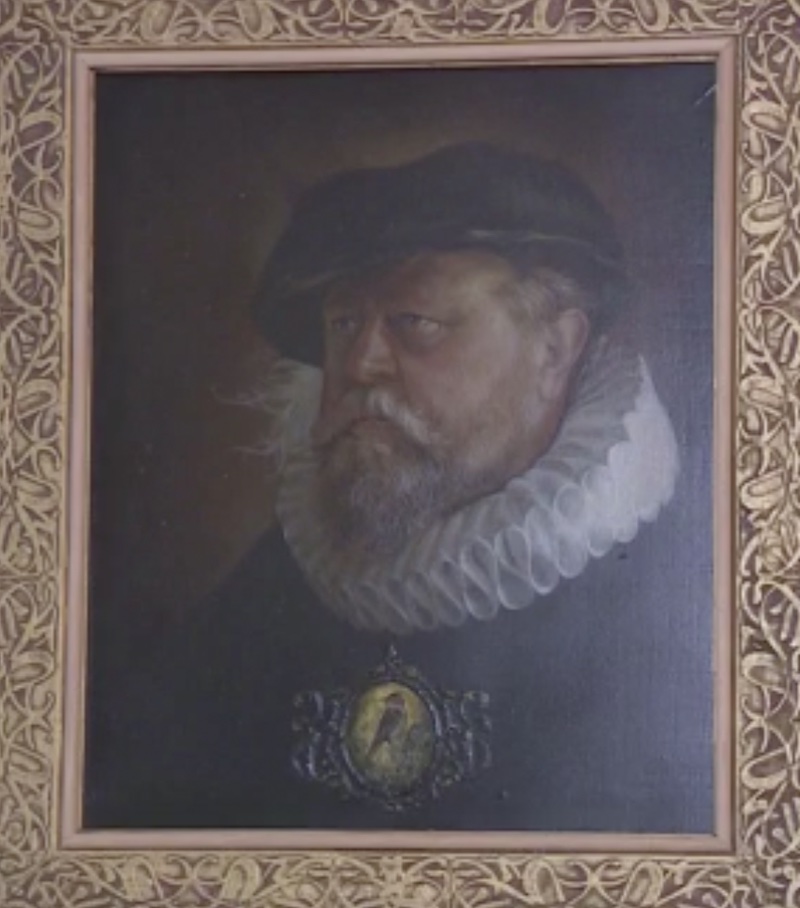
Self-portrait of Mr. Dragutin Cifrek from 2005. He also created the frame.
His self-portrait appears in a postage stamp in Finland (sic!).
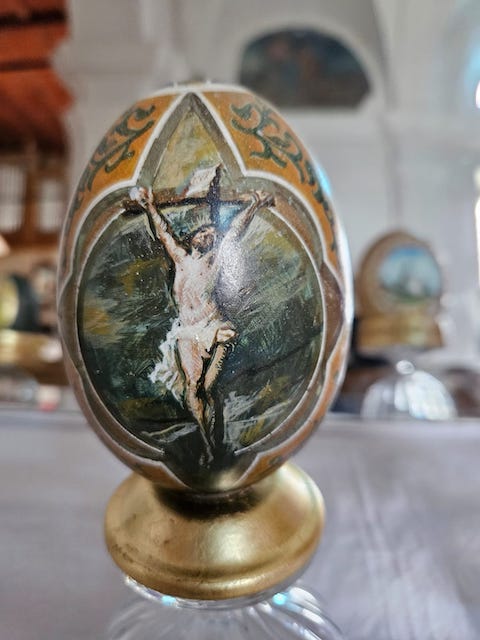
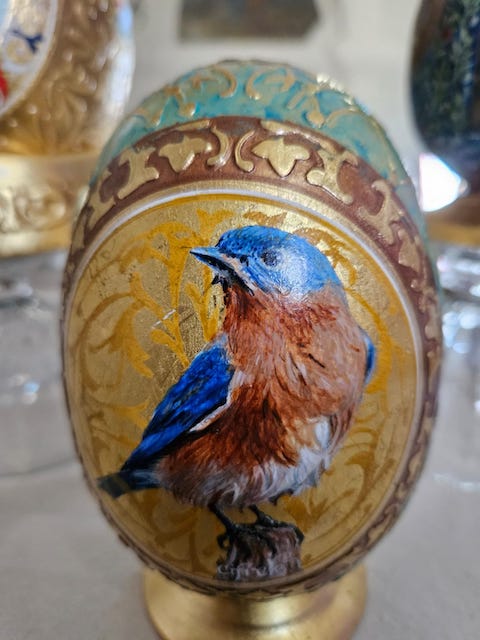
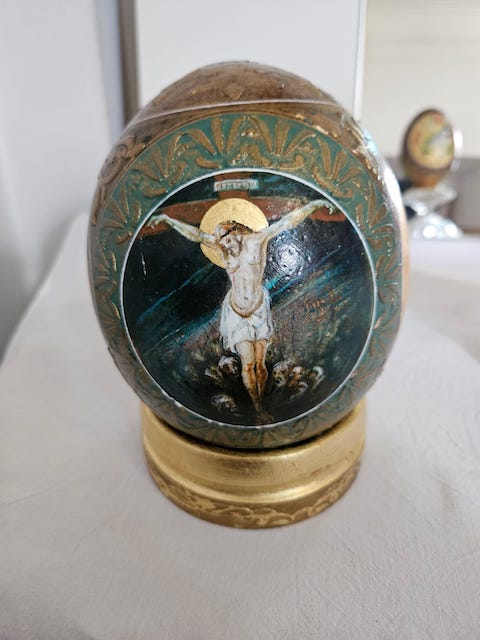
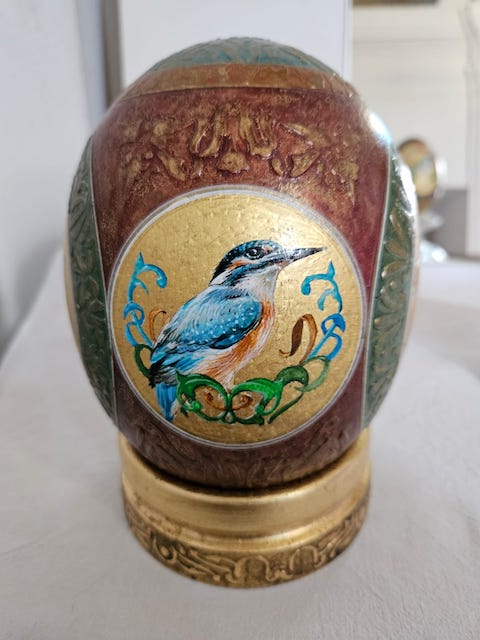
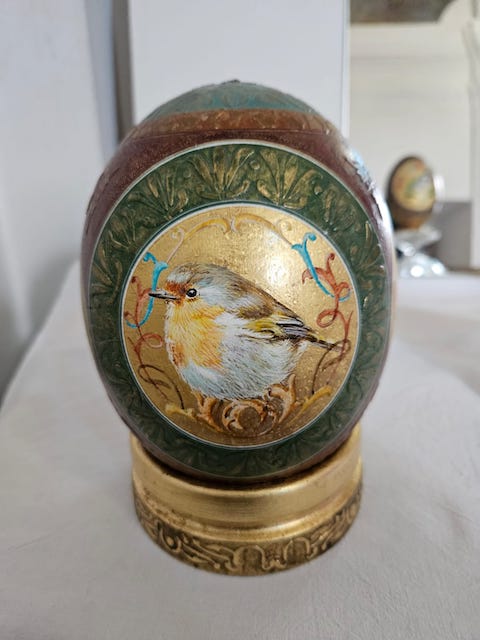
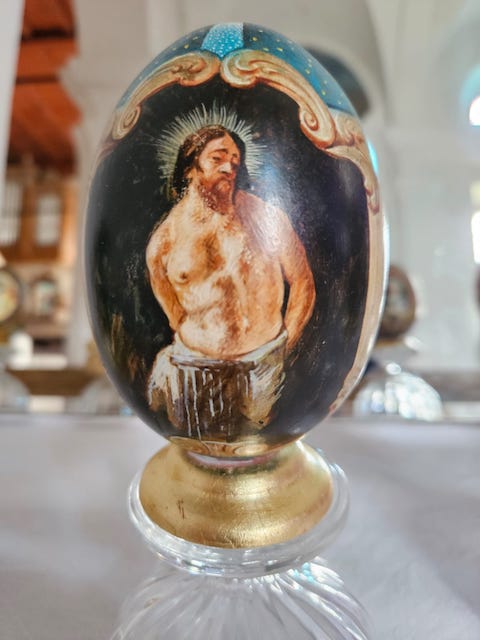
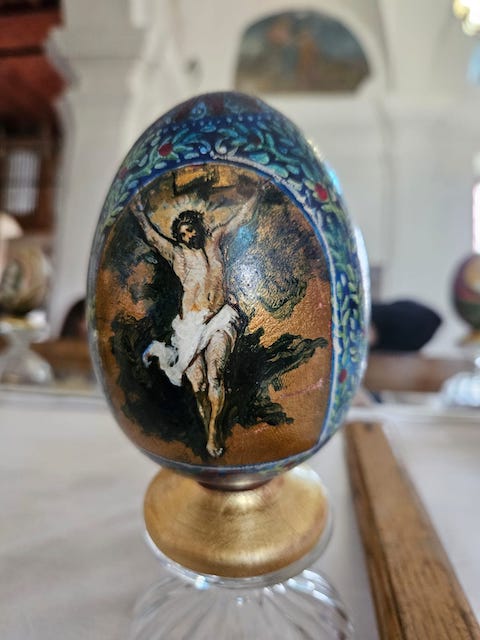
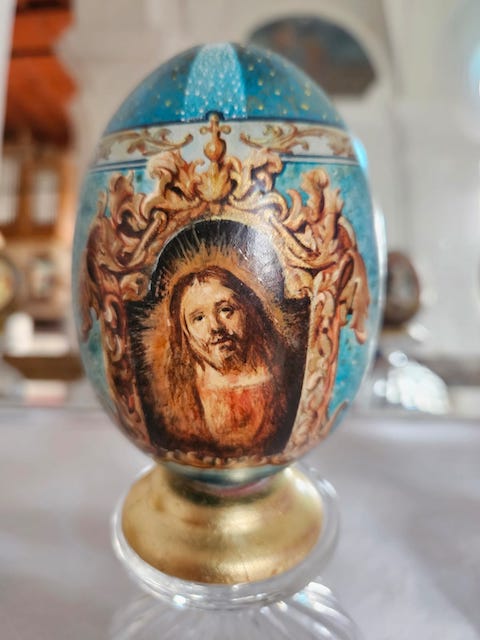
Summary. Dragutin Cifrek is distinguished Croatian painter, calligrapher and miniaturist, living in Slovenia. He completed his studies at the Academy of Arts of the University of Zagreb. In 2005, his self-portrait was awarded the first prize during an international competition organized in Finland. It was even chosen to appear on a postage stamp in Finland (on the photo)! Here we provide his very beautiful miniatures inspired by the rich tradition of Croatian Easter eggs painting. Mr. Cifrek was born in a village of Makoie gornje (near Novi Marof) on the north of the city of Zagreb.
Mario Cifrek and Darko ubrini
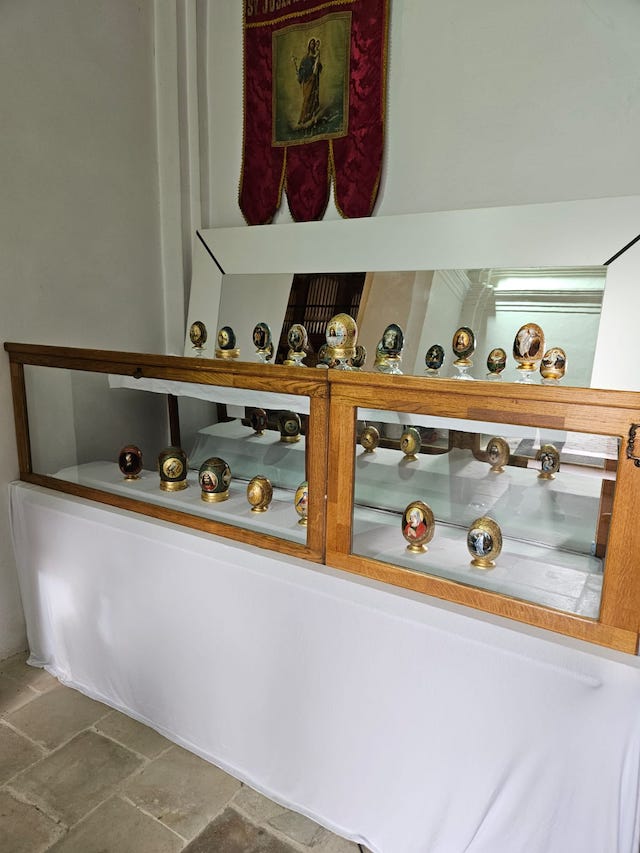
upna crkva Uznesenja bl. Djevice Marije u mjestu Zajezda (u sastavu Opine Budinina, Krapinsko-zagorska upanija) nudi jedinstvenu izlobu tridesetak oslikanih jaja, s liturgijskim i svjetovnim motivima. Oslikao ih je Dragutin Cifrek, slikar i kaligrafist, podjednako vjet u minijaturama kao i u oslikavanju povrina od pedesetak ili vie kvadrata, zasigurno najbolji svjetski portretist.
Slikao je Dragec ivotinje tiskane na prvim hrvatskim potanskim markama devedesetih, pisao zlatom posvetu u bibliji darovanoj Papi, slagao mozaike, slikao i izraivao kipove i kulise za kazaline predstave u Ljubljani… Dragecov je autoportret prije petnaestak godina izabran kao najbolji na meunarodnom natjeaju koji je raspisala Finska, a za nagradu bio je tiskan na finskoj potanskoj marki pa su mnogi Finci te godine lizali Dragecovu sliku. Zato je sve to slabo poznato hrvatskoj javnosti?
ini se po ne znam koji put da smo premala zemlja za velike ljude, a naroito kad su toliko skromni i samozatajni kao to je to moj prijatelj Dragec iz Gornjeg Makoia kod Novog Marofa, niska rasta no golemog umijea! Izloba se zatvara u ponedjeljak, 1. travnja 2024., nakon jutarnje mise. Stoga, pourite se!
Tihomir Petrovi
Self-portrait of Mr. Dragutin Cifrek, distinguished Croatian painter living in Slovenia; a detail.
Signature “Cifrek 2005” appearing in the self-portrait.
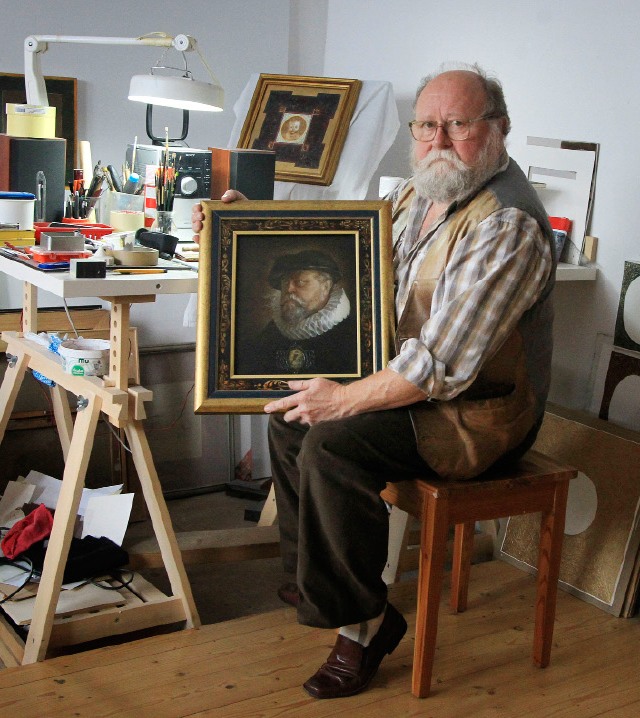
Dragutin Cifrek with his self-portrait (photo by Leon Vidic)
Exhibition of Easter-eggs, painted by Mr. Dragutin Cifrek,
exhibited in the parish church of the town of Zajezda, north of Zagreb.
upna crkva Uznesenja bl. Djevice Marije u mjestu Zajezda (u sastavu Opine Budinina, Krapinsko-zagorska upanija).
upna crkva Uznesenja bl. Djevice Marije u mjestu Zajezda
(u sastavu Opine Budinina, Krapinsko-zagorska upanija).
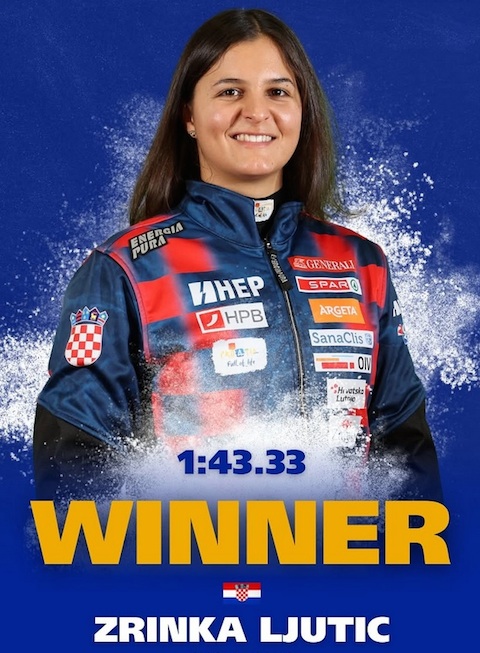
Zrinka Ljuti was the winner of the skiing World Cup slalom in Semmering, Austria, for 2024/25. This was the first Croatian victory since legendary Janica Kosteli in 2006.
Dr. Hrvojka Mihanovi Salopek. Izvor fotografije HAZU.
Dr. Gordana Laco, izv. prof. Sveuilita u Splitu.
Izdava spomenute knjige je Splitski ogranak Drutva hrvatskih knjievnika.
Na samom poetku treba odgovoriti zato su se prireivaice odluile sastaviti antologijski izbor iz poezije hrvatskih knjievnica u Dalmaciji od 18. stoljea do danas pod nazivom Jadranskih sirena zov. Razlog tome lei u impresivnoj injenici da upravo na obali Jadrana, u Dubrovniku i Dalmaciji nalazimo u pisanim zapisima prve obrazovane dame kojima je knjievnost sama po sebi, ali i vlastiti pjesniki izraz nezaobilazni dio osobnosti i intelektualnog identiteta.
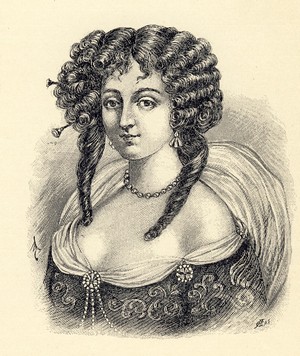
Cvijeta Zuzori (r. 1552.)
U 16. stoljeu istie se kao najslavnija dubrovaka inspirativna muza, ali i autorica nesauvanih stihova Cvijeta Zuzori (ro. 1552.), kojoj su u znak potovanja pisali stihove Dinko Zlatari, Nikola Gueti i glasoviti Torquato Tasso. Uz Cvijetu se isticala i njezina prijateljica Mara Gueti Gunduli koja je u svojoj posveti objavljenoj u predgovoru filozofskog djela Discorsi sopra la Metheore Nikole Guetia, stala u obranu Cvijetina knjievnog salona i knjievnih diskusija od neutemeljenih prigovora. Pored toga, obje prijateljice bile su lanice dubrovakog drutva Dei concordi (Akademije slonih), gdje su se druile s pjesnikinjama Nadom i Julijom Buni. Nada Buni pisala je na talijanskom i objavila 1569. djelo Difesa de le Speranza et Vittoria di Bona, dok se od Julije Buni sauvala samo jedna pjesma na talijanskom jeziku La Signora Giulia Bona inferma. Al Monaldi, objavljena krajem 16. st. u Veneciji.
Mnoge dame stvarale su i na latinskom kao npr. Marija Faccenda i Jelena Pozza Sorgo s poetka 18. st. koje su pisale retoriki skladna latinska pisma. Taj renesansni poetak buenja enske pjesnike izraajnosti razbuktao se krajem 17. i tijekom 18. stoljea, kad pronalazimo sauvane prve hrvatske rukopise, pa i tiskane stihove hrvatskih knjievnica, Marije Bettera Dimitrovi, Anice Bokovi, Benedikte Gradi, Lukrecije Bogainovi, Vice Tuli Krizi (Criseo) te portvovne prepisivaice/redaktorice pjesama – Franice Bizanti Arneri. Prema zapisima tadanjih suvremenika takoer je i Marija Giorgi Bona bila jedna od vanijih osoba dubrovakog drutvenog i kulturnog ivota s kraja 18. st., u ijem su se salonu takoer okupljale intelektualne elite. I upravo u sferi ljetnikovca i privatnih salona blijedjela je stroga razlika privatne i javne sfere, jer su u razgovorima o znanosti, filozofiji, umjetnosti, ekonomiji, pa ak i politici, ene i mukarci bili ravnopravni sudionici diskusija.
Drugi vrlo bitni razlog sastavljanja antologije posveene iskljuivo enskim autoricama je injenica da smatramo da stvaralatvo ena nije do kraja proitano, a veliki broj autorica je u postojeim antologijskim izborima zapostavljeno u odnosu na pjesnike, koji u pretenom omjeru tvore kanon povijesti hrvatske knjievnosti. Ova antologija ne moe nipoto jamiti da je stvaralatvo pjesnikinja iz Dalmacije u potpunosti obuhvaeno, jer svaka antologija samo je individualni vrjednosni sud i izbor iz grae, ali smatramo da u velikoj mjeri ona upotpunjuje i popravlja nejednoliki udio enskog pjesnitva u obzorju suvremene hrvatske kritike i italake percepcije. Uvid u antologije hrvatskog pjesnitva pokazuje da se u izborima pojavljuje petnaest do dvadeset, uvjetno reeno, najpoznatijih imena pjesnikinja s cijelog hrvatskog jezinog podruja, a veliki dio autorica s poveim opusom, pa i uz odlina pjesnika ostvarenja ostaju nezapaene, a vjerojatno u opsenom izdavakom mnotvu i neproitane. Budui da u dnevnim listovima sve manje pronalazimo knjievnokritike osvrte, a struni asopisi ih ne mogu u dovoljnom broju pratiti, autorice ostaju izolirane, posebice ako se njihovo stvaralatvo odvija u manjim gradiima ili na otocima, daleko od urbanih sredita koja orkestriraju svoje prioritete. Na navedene injenice upozorile su me i lanice Drutva hrvatskih knjievnika (DHK) iz naih ogranaka te sam kao predsjednica DHK osjetila i odreenu etiku dunost da takvo recepcijsko stanje treba poboljati, a tu knjievnokritiku neravnoteu ova antologija nastoji, barem donekle, ispraviti.
Antologija poezije hrvatskih knjievnica u Dalmaciji krenula je svjesno od podruja Jadrana, zbog toga to su korijeni hrvatske kulture, osobito one renesansne i potom ranobarokne najouvaniji u tom podruju, ali je pritom vano saznanje prireivaica da je to samo prvi dio diptiha u pregledu pjesnitva hrvatskih knjievnica. Nakon ovog prvog sveska, neminovno e slijediti i drugi svezak diptiha koji bi obuhvatio prostor cijele kontinentalne Hrvatske tj. opseni dio pjesnikog stvaralatva knjievnica “s druge strane Velebita”.
U irokom povijesnom vremeplovu od 18. do 21. stoljea postavlja se i pitanje kriterija odabira pjesama. Svakako se kao bitan kriterij uvaavala poetska funkcija jezika i njezin izraajno-estetski habitus, ali, pored toga, uvaavala se i raznovrsnost motiva, oblikotvornih ostvarenja (od spjevova, soneta, pjesama u vezanom ili slobodnom stihu do haiku forme i dr.) i stilova koji tvore vaan knjievnopovijesni mozaik, ali usporedno i drutveno-antropoloki mozaik raznovrsnih tema i problema koji zaokupljaju hrvatske knjievnice u razliitim vremenskim razdobljima. Antologija slijedi kronoloki knjievnopovijesni odabir koji nastoji odraziti vrlo iroki opus tema koje zaokupljaju knjievnice te se time pokazuje da nema podruja (filozofskog, svjetonazorskog, drutveno-angairanog, intimnog, psiholokog, apstraktnog, jezino-ludistikog i dr.) koje nije zastupljeno u enskom pjesnitvu. Time ova antologija predstavlja i zanimljivi, saeti, historijski presjek knjievnih prioriteta, individualnih esteskih opredjeljenja, kao i originalnih poetsko-jezinih realizacija bez kojih bismo u poznavanju hrvatske knjievnosti bili siromaniji i zakinuti ako ih ne upoznamo.
Povijesni vremeplov sauvanih tekstova pokazuje da je, nakon renesansnih zaetaka, prosvjetiteljsko razdoblje pruilo presudni poticaj hrvatskim knjievnicama za samostalno stvaranje. Iako u tom razdoblju nema odjeka kojeg podrazumijevamo u dananjem obliku analitikog, knjievnokritikog prikaza, autorice ulaze u podruje najranijih knjievnopovijesnih, uglavnom bibliografskih pregleda, a njihovi sauvani rukopisi, prijepisi ili (u primjeru Anice Bokovi) tiskana izdanja, svjedoe o njihovoj afirmaciji i postupnoj knjievnoj integraciji u starovjeki, tada preteito “muki knjievni svijet”. Nema ljepeg edukativnog savjeta od reenice dubrovake patricijke Marije Giorgi Bona koja u 18. stoljeu, u jednom pismu svojoj keri u Firencu alje sljedeu poruku: “Ni bogatstvo, ni plemstvo, ni mo, ni ljepota ne vrijede bez znanja.”
Pored obrazovanosti, u tadanjem drutvenom mijenju Dubrovake Republike, ali i ostatku Reliquiae reliquiarum Croatiae podrazumijevala se kao cijenjena enska vrlina duhovnost, odnosno religioznost. Upravo u molitvenom izdanju Sarce prisveto Jezusovo, 4 (Venecija, 1783.) isusovac Ivan Marija Matijaevi u svojoj posveti portretira uzoran lik dame 18. stoljea i njezine vrline: “Uma tvoga bistrina, pameti ivoa, ud blaga, slatka uljudnost, bistro razloenje, ter ini naravni dari kojijem te obilno nadari Stvoritelj milostivi; nu jo vele vee ono srano bogoljupstvo (kojijem iz nedozora tvoga vijeka pospjeie razgorjeti te pripomnjiva g. Mara, tvoja roditeljica) i milohotno priljubnue k svakoj duhovnoj zabavi”. Unutar atmosfere vremena nije neobino to su se sve etiri dubrovake knjievnice iz 18. st. (Marija Dimitrovi, Anica Bokovi, Benedikta Gradi, Lukrecija Bogainovi) opredijelile za stvaralatvo duhovnog usmjerenja, jer je to u drutvenim okolnostima bilo ne samo opeprihvatljivo, ve s uvaavanjem primano, a pritom se njegovao omiljeni anr pastorale koja je nosila svoju povezanost i sa antikim Teokritovim idilskim pjesnitvom, Vergilijevim eklogama, petrarkistikim oblikom pastorale, potom i arkadijskim oblicima, ali i sa interpolacijama narodnih koledi.
Meutim, u 18. stoljeu pronalazimo i rijedak primjer odstupanja od drutvenih oekivanja u primjeru Vice Tuli Krizi, svojevrsne korulanske plemenitaice- buntovnice. Iako Vica nije znala pisati, imala je snaan dar zapaanja te je diktirala svoje kritiki usmjerene stihove biljeniku Petru Ostoiu i time je pronala nain da svoj glas trajno zabiljei. U ovom izboru se po prvi put donosi tekst njezine pjesme o pokladnim kolovoama, a jedina dva sauvana rukopisa se nalaze unutar neko privatnog arhiva obitelji Ostoi koji je danas pohranjen u Arhivskoj zbirci samostana Drube Keri milosra sv. Frane u Blatu na Koruli. Postoje zapisi iz dokumentacije o ivotu u Koruli da su se takvi tekstovi i pjevali kao pjesme- rugalice. Iako je sauvani trag Tulieve jako skroman, ipak je vrlo zanimljiva injenica da se krajem 18. stoljea udana ena iz ugledne kue odluila bespotedno ismijati mane svojih sugraana, koristei pritom britki, grubi stil satirinih poalica, koji pripada onodobnoj nioj kulturi izravnog pukog, nerijetko i vulgarnog svakodnevnog govora. U svakom sluaju Vicin istup je rijedak primjer ruenja tada obvezne barijere izmeu javnog i privatnog miljenja i svojevrstan put prema subverzivnosti.
Na sasvim drugoj razini trebamo promatrati i pojavu Franice Bizanti Arneri (Arneri), prvenstveno kao pojavu vrijedne drutveno-kulturne svijesti o vanosti knjievnosti, a nipoto kao samostalni knjievni iskaz. Franica je bila visoko obrazovana, bavila se prepisivanjem pjesama, a prigodom udaje je u svojim kovezima donijela iz Kotora na Korulu svoj rukopisni prijepis pjesama kotorskoga baroknog pjesnika iva Bolice Kokoljia Poghodegnie Zarkaua koiesu u Kotoruod Bratstua Suetoga Krisca, i paruom Suetomu Kriscu / Pohoenje crkava koje su u Kotoru od Bratstva sv. Kria, i prvom Svetomu Kriu. Svojim prijepisom Franica je spasila od zaborava vrijedne duhovne i povijesne stihove posveene danas nestalim crkvenim spomenicima u Kotoru. Ali, postavlja se pitanje: je li tijekom prijepisa Franica pojedine dijelove rukopisa moda i mijenjala, redigirala ili naprosto drugaije iitala (kao to se to znalo dogaati i kod drugih prepisivaa)? U tom sluaju je moemo promatrati i kao potencijalnu suautoricu ili barem prvu urednicu rukopisa hrvatskih stihova iva Bolice Kokoljia. U svakom sluaju, svojim predanim radom oko ouvanja baroknih stihova, pokazala je da su hrvatske dame od 17. st. ustrajno traile svoj put samoostvarenja i duhovnu oazu u okrilju pjesnike rijei.
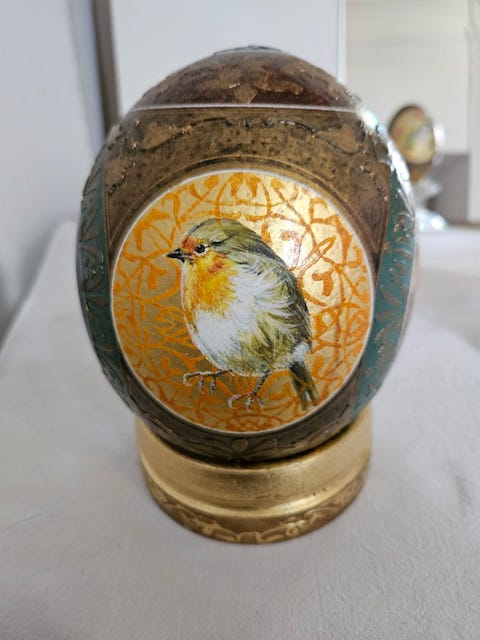
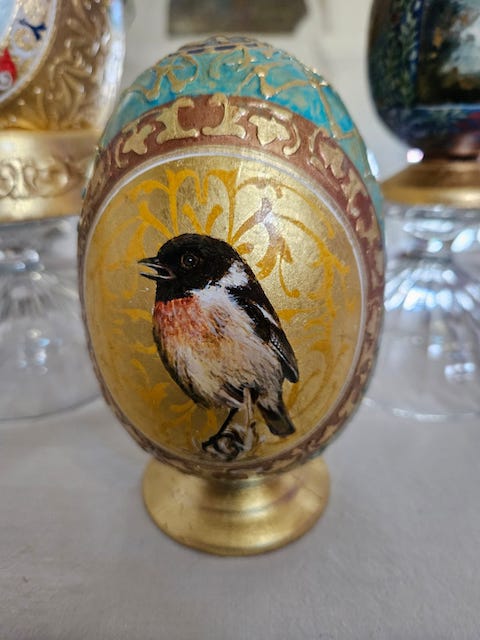
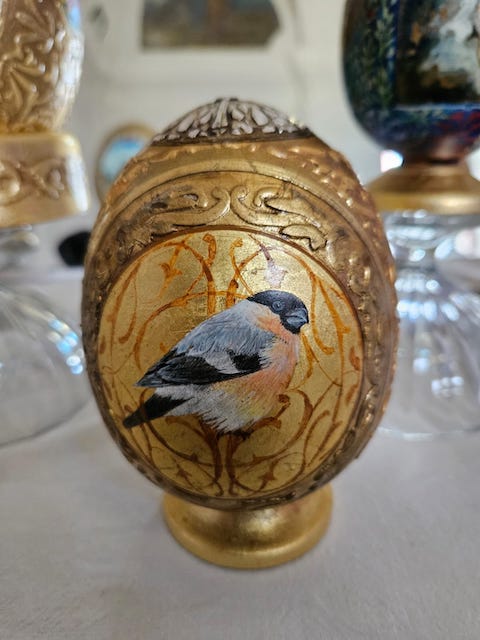
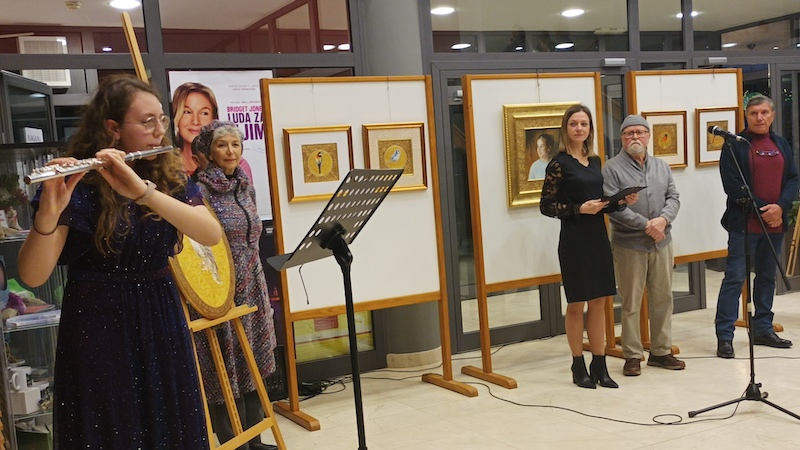
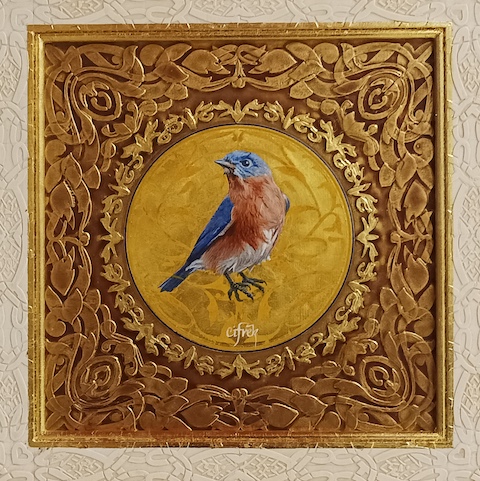
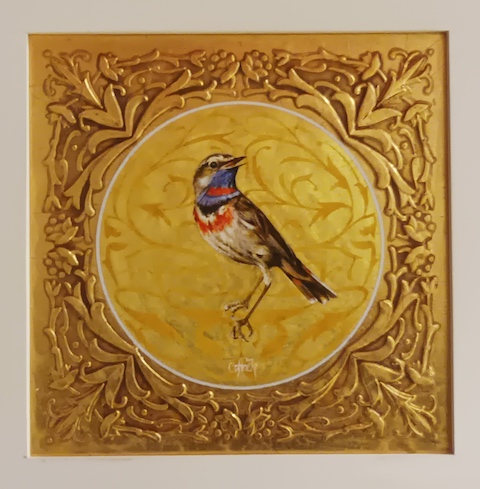
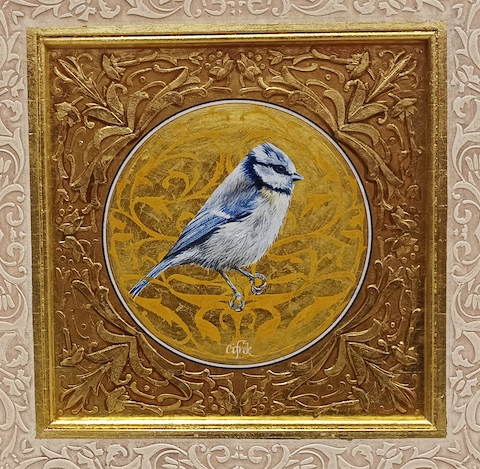
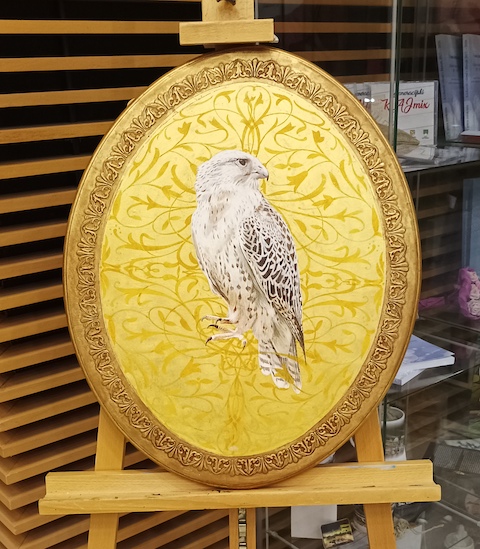
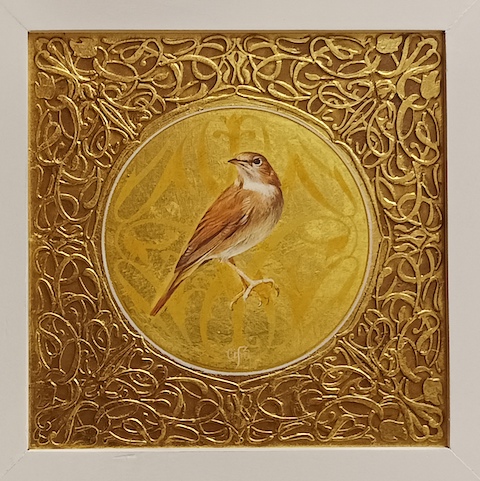
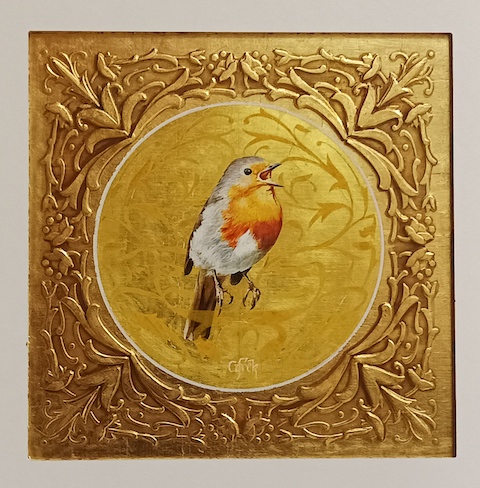
An amazing world of small birds – tieki, viewed by Dragutin Cifrek,
who is a top Croatian painter
Opening of the exhibition – music and small birds – tieki. Mr. Dragutin Cifrek is the second from the right, wearing a funny cap.
Dragutin Cifrek was born in 1951 in the village of Gornje Makojie near the town of Novi Marof on the north of the city of Zagreb, Croatia. He is a top Croatian painter and graphic artist, educated at the at the Academy of Arts of the University of Zagreb. He lives in Slovenia. In 2025, he exhibited his fascinating portraits of small birds (tieki) in the Cultural Center of “Ivan Rabuzin” in Novi Marof.
Tiek is Croatian deminutive of ti (one male bird).
Tieki is the plural of tiek (two or more of them).
Tiica is a female small bird.
Portrait of a young girl – tiica…
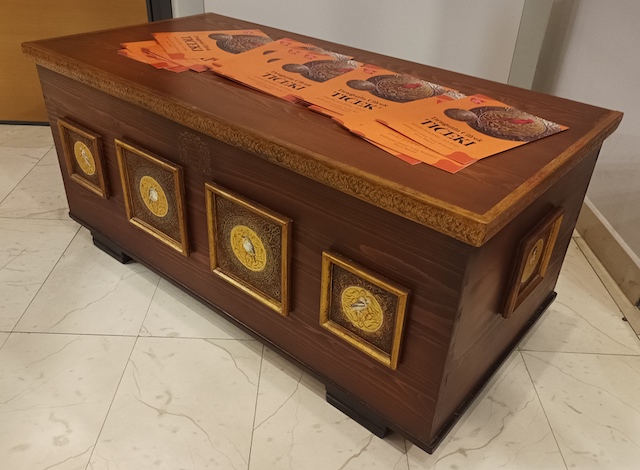
A chest, wooden work of art, prepared by a 90-years old friend of Dragutin Cifrek,
ZAGREB, 17 February 2025 (Hina) – The Croatian Ministry of Demography and Immigration has announced a public call worth 200,000 Eur, inviting non-profit organisations and individuals to apply for financial support for projects of interest to returnees and immigrants from the Croatian diaspora.
Applications can be submitted over the next month, until 17 March 2025.
The Ministry is prepared to provide financial support for projects that foster cooperation with the Croatian diaspora to encourage return migration.
Additionally, funding is available for cultural, educational, employment, economic, and sports initiatives that promote the return and integration of Croatian emigrants.
Projects aimed at facilitating the transfer of knowledge from Croatian expatriates and their descendants to Croatia are also eligible.
The minimum amount that can be applied for and contracted per project is 700 Eur, while the maximum is 20,000 Eur.
A detailed list of application requirements is available on the Ministry of Demography and Immigration’s website.
Many thanks to Mrs. Helen Halford (Australia) for this information.
Summary. Darko’s extensive background in both medicine and travel gives him a unique perspective in the medical tourism industry. His journey from guiding travelers across Europe to founding and leading GlobalMedTravels shows a seamless integration of his passions for healthcare and global exploration. With over30 years of experience in the medical field across various regions in the USA and Europe, his deep knowledge of both patient care and international travel positions him as a key figure in making healthcare accessible worldwide. His diverse experience likely also gives him an exceptional ability to understand both the needs of patients and the logistics of international medical care.
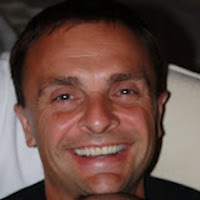
Interview with Darko Vodopich, MD, CEO of Global Med Travels
Q:Thank you for joining us today, Darko. Can you start by telling us a bit about yourself?
Darko Vodopich, MD, CEO of Global Med Travels:Absolutely! Thank you for having me. I was born in Karlovac, Croatia, and medicine has always been a central part of my life. Both of my parents were esteemed physicians: my father was an orthopedic surgeon, and my mother was a pediatrician. I graduated from the School of Medicine in Zagreb, Croatia, and became a physician during the war in Croatia. During that time, I worked with Physicians Without Borders, provided aid in refugee camps, and spent months in emergency care, assisting wounded soldiers and civilians.
Although I was nearly fully trained as a radiologist, I later moved to California. Over the years, I have worked at institutions such as UCLA, Cedars-Sinai Medical Center, Brown University, Case Western Reserve University, and UC Davis Medical School. Currently, I am an anesthesiologist with a fellowship in pain medicine. After more than 30 years in medicine, I became the CEO of Global Med Travels.
Q:What an incredible journey, Darko. Your extensive experience must provide valuable insight into the field. Can you tell us a bit about Global Med Travels?
Darko Vodopich, MD, CEO of Global Med Travels:Of course! Global Med Travels was founded in California, USA, with the mission of helping patients access high-quality medical care abroad at affordable prices. We act as a concierge service, handling everything from hospital vetting to travel logistics. Our goal is to connect patients with accredited hospitals and specialists worldwide, ensuring they receive personalized care in a safe and professional environment.
Q:What inspired you to start this company?
Darko Vodopich, MD, CEO of Global Med Travels:I have seen firsthand the challenges in modern healthcare lack of resources, high costs, and long wait times. I wanted to create a company that simplifies medical travel and empowers patients to make informed decisions about their health.
Q:What services do you offer to travelers?
Darko Vodopich, MD, CEO of Global Med Travels:We provide a full range of services, including consultations with primary care doctors and specialists, travel arrangements, accommodation booking, and post-operative care coordination. Our goal is to ensure a seamless experience from start to finish.
Q:How do you ensure the quality of the medical facilities and practitioners you partner with?
Darko Vodopich, MD, CEO of Global Med Travels:We conduct rigorous research and vetting. Each medical facility must meet stringent international accreditation standards, and we continuously collect feedback from patients. Regular audits and partnerships with trusted medical organizations help us maintain our quality standards.
Q:What are the most common procedures patients seek through your services?
Darko Vodopich, MD, CEO of Global Med Travels:The most common procedures include dental and eye surgeries, cosmetic surgeries, and rehabilitation treatments. Many patients seek these treatments due to high costs and long wait times in their home countries.
Q:What are some challenges in the medical travel industry?
Darko Vodopich, MD, CEO of Global Med Travels:One of the biggest challenges is addressing misinformation and skepticism about medical care abroad. Additionally, navigating different healthcare regulations and ensuring compliance across multiple countries can be complex. We focus on educating clients and building trust to overcome these hurdles.
Q:How do you address cultural or language barriers for clients?
Darko Vodopich, MD, CEO of Global Med Travels:We have local coordinators who speak the patient’s language and provide guidance on cultural norms. Many hospitals offer translators, and we provide pre-trip guides to help ease anxiety.
Q: How do you see the future of medical tourism evolving?
Darko Vodopich, MD, CEO of Global Med Travels:I believe medical tourism will continue to grow as patients become more open to seeking care abroad. Advances in telemedicine will play a crucial role in pre- and post-operative care. Additionally, sustainability and ethical practices will become increasingly important.
Q:What advice would you give to someone considering medical travel?
Darko Vodopich, MD, CEO of Global Med Travels:Do thorough research and choose a reputable company. Understand your medical needs, ask detailed questions about procedures and facilities, and consider travel insurance that covers medical complications.
Q:How do you address patient concerns regarding safety and quality?
Darko Vodopich, MD, CEO of Global Med Travels:Transparency is key. We provide detailed information about our partner facilities, including their accreditation and patient testimonials. Our team is always available to address concerns and provide reassurance.
Q:What trends are you noticing in patient preferences regarding medical travel?
Darko Vodopich, MD, CEO of Global Med Travels:Patients are increasingly seeking holistic care, combining wellness treatments and rehabilitation with traditional medical procedures. There is also a growing focus on mental health support during and after treatment.
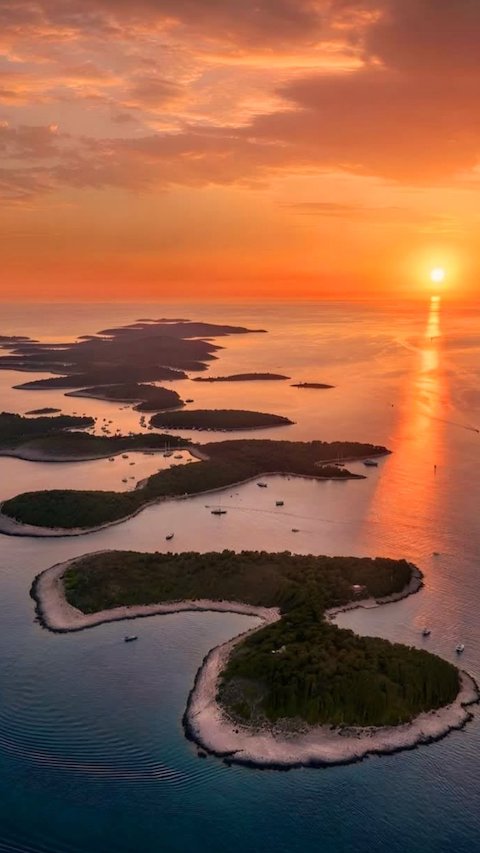
Sunset at Pakleni islands in Croatia, near the island of Hvar.
Q:How do you maintain a competitive edge in the medical travel industry?
Darko Vodopich, MD, CEO of Global Med Travels:We prioritize ethical partnerships over profit and continuously improve our services based on client feedback. Offering personalized experiences and exceptional customer service sets us apart.
Q:What role does technology play in your business operations?
Darko Vodopich, MD, CEO of Global Med Travels:Technology is essential. From our user-friendly website that provides easy access to information, to our data management systems that streamline coordination between patients and healthcare providers, technology enhances every aspect of our services.
Q:What are your long-term goals for Global Med Travels?
Darko Vodopich, MD, CEO of Global Med Travels:Our long-term goal is to expand our network of partner facilities, adding more specialties and regions. We also want to improve patient education and continue advocating for ethical medical tourism practices.
Q: Finally, what message would you like to convey to potential clients considering medical travel?
Darko Vodopich, MD, CEO of Global Med Travels:Seeking medical care abroad can be a safe and empowering choice. With the right information and support, patients can access high-quality care while avoiding the financial burden they might face at home.
Q:Thank you, Darko, for sharing your insights and experiences with us today.
Darko Vodopich, MD, CEO of Global Med Travels: Thank you for having me! It was a pleasure discussing our mission and the future of global medical travel.





















 . Zato je sve to slabo poznato hrvatskoj javnosti?