
Schooling of Nikola Tesla in Croatia and his teacher Martin Sekuliae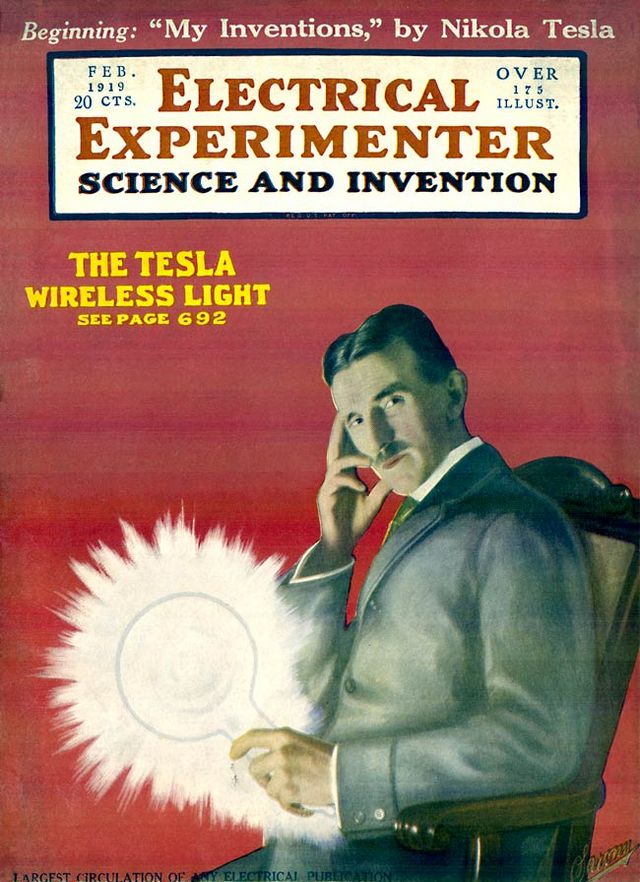 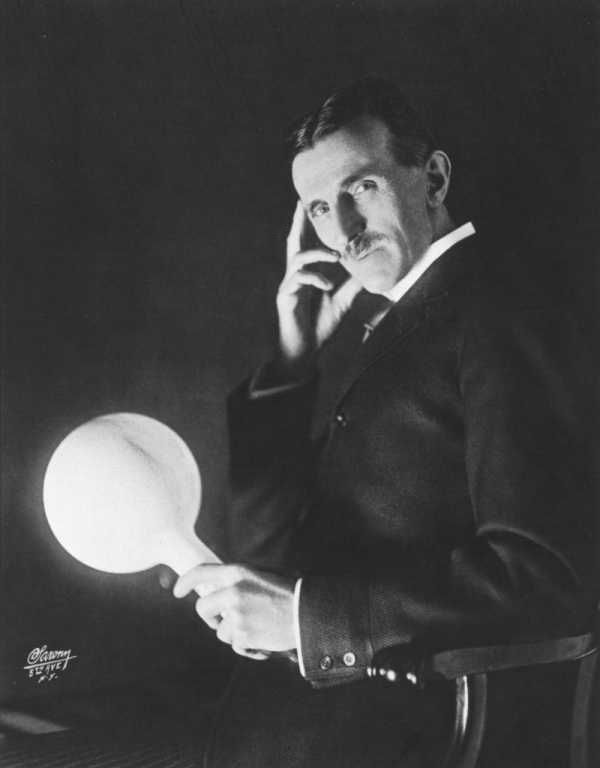 Nikola Tesla holds a fluorescent bulb wirelessly lighted due to Tesla’s coil (invisible on the photo). The coil produces high frequency alternating current of several million Hertz. Tesla’s autobiography entitled My Inventions was published as a series of six articles in Electrical Experimenter (popular-scientific monthly) during 1919, in the time when the journal was printed in one hundred thosand copies. Its editor in chief was Hugo Gernsback, also an inventor and considered as “The Father of Science Fiction” in the modern sense. 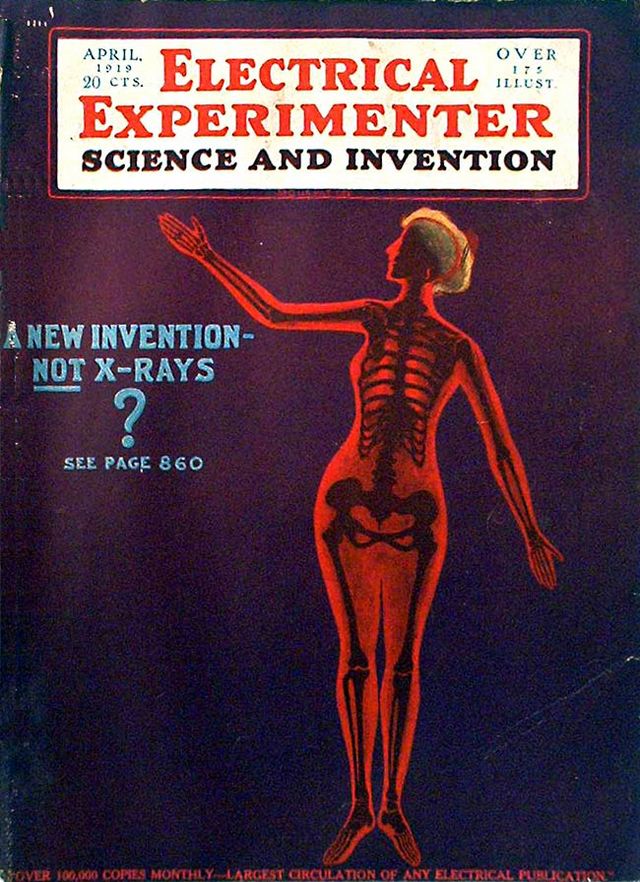 Tesla was very fluent in English. His sentences are brilliantly polished, with occasional usage of expressions in Latin, German and French. Tesla’s personality is marked among others by deep idealism and humanism, knowledge of literature, fluency in several world languages (German, French and English), as well as by deep knowledge and understanding of diverse aspects of Electrical Engineering. 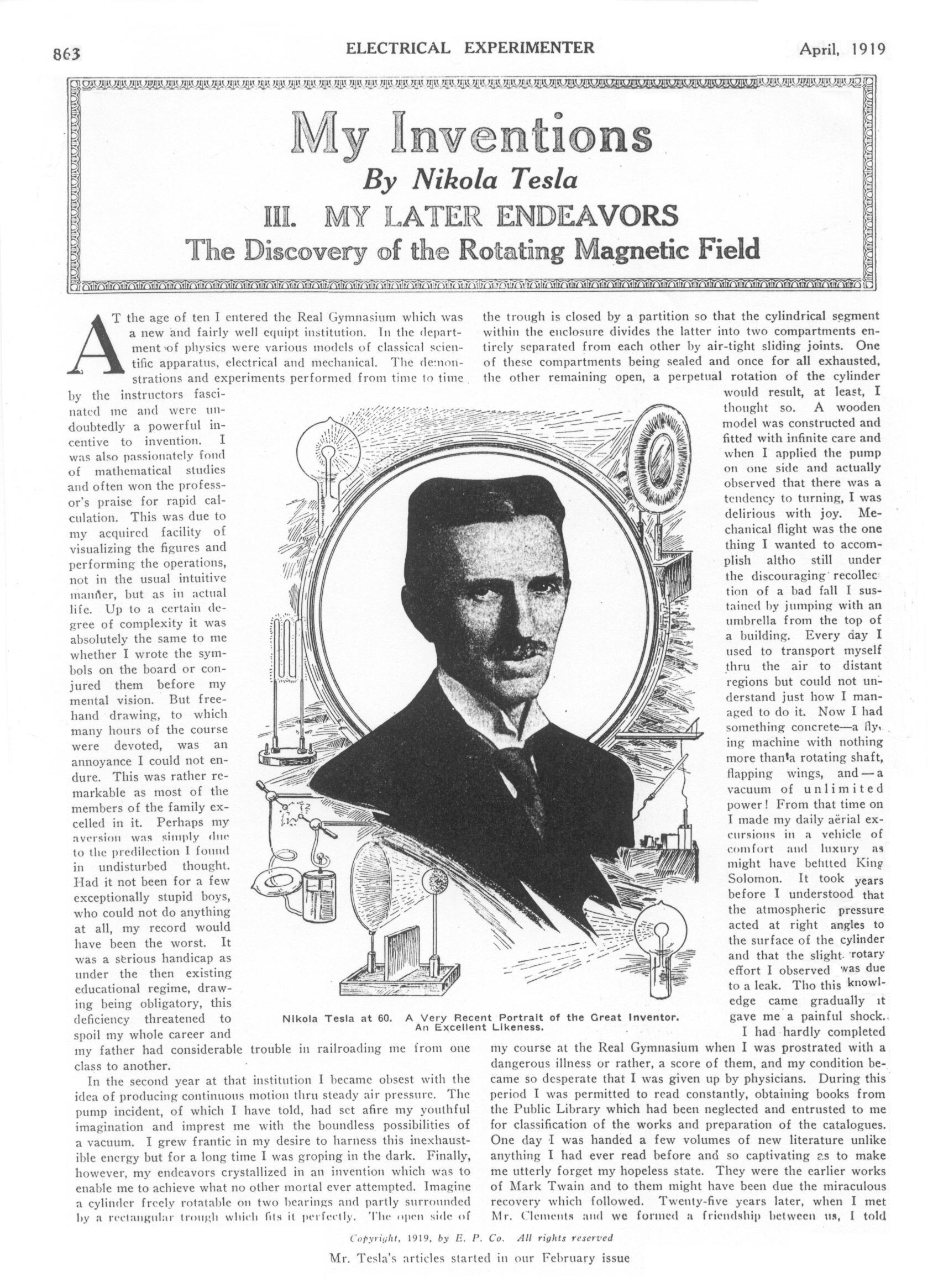 Let us quote Tesla’s description of his arrival to the Lower Real Gymnasium (in fact, to the Lower Real School) in Gospiae, Croatia, at the age of ten:
These Tesla’s sentences should incite us to study his education in the Lower Real School in Gospiae, in the period of his schooling there from 1862 till 1870: finding out the names of his teachers, the content of various school subjects, etc. Tesla attended the Lower Real School in Gospiae during three years. The lectures were taught in Croatian language for all subjects, while German was taught as a separate subject. See [Strohal, p. 89].
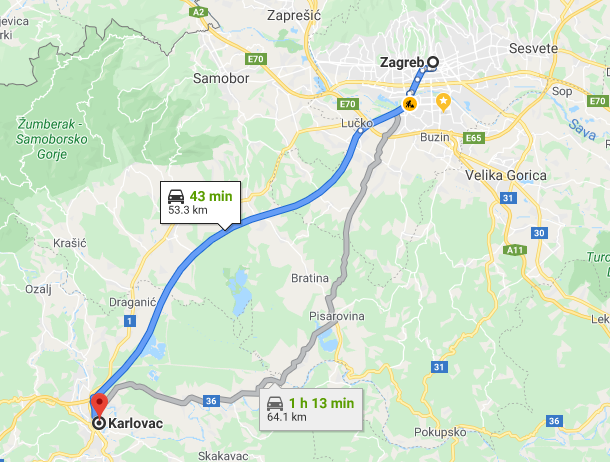
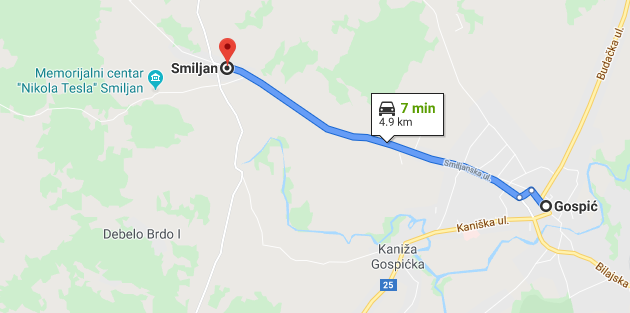
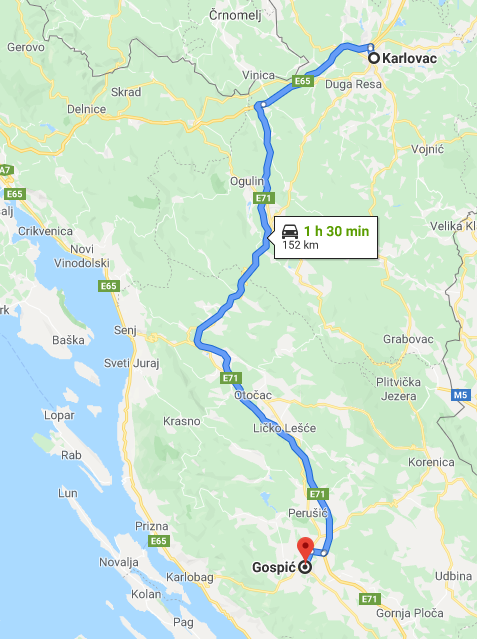
Source: Google Maps
Austro-Hungria, 1872, Ferreira da Costa, Portugal (a map of Austria-Hungary kept in the National and University Library in Zagreb, Croatia) Schooling of Nikola Tesla in Rakovac 1870-1873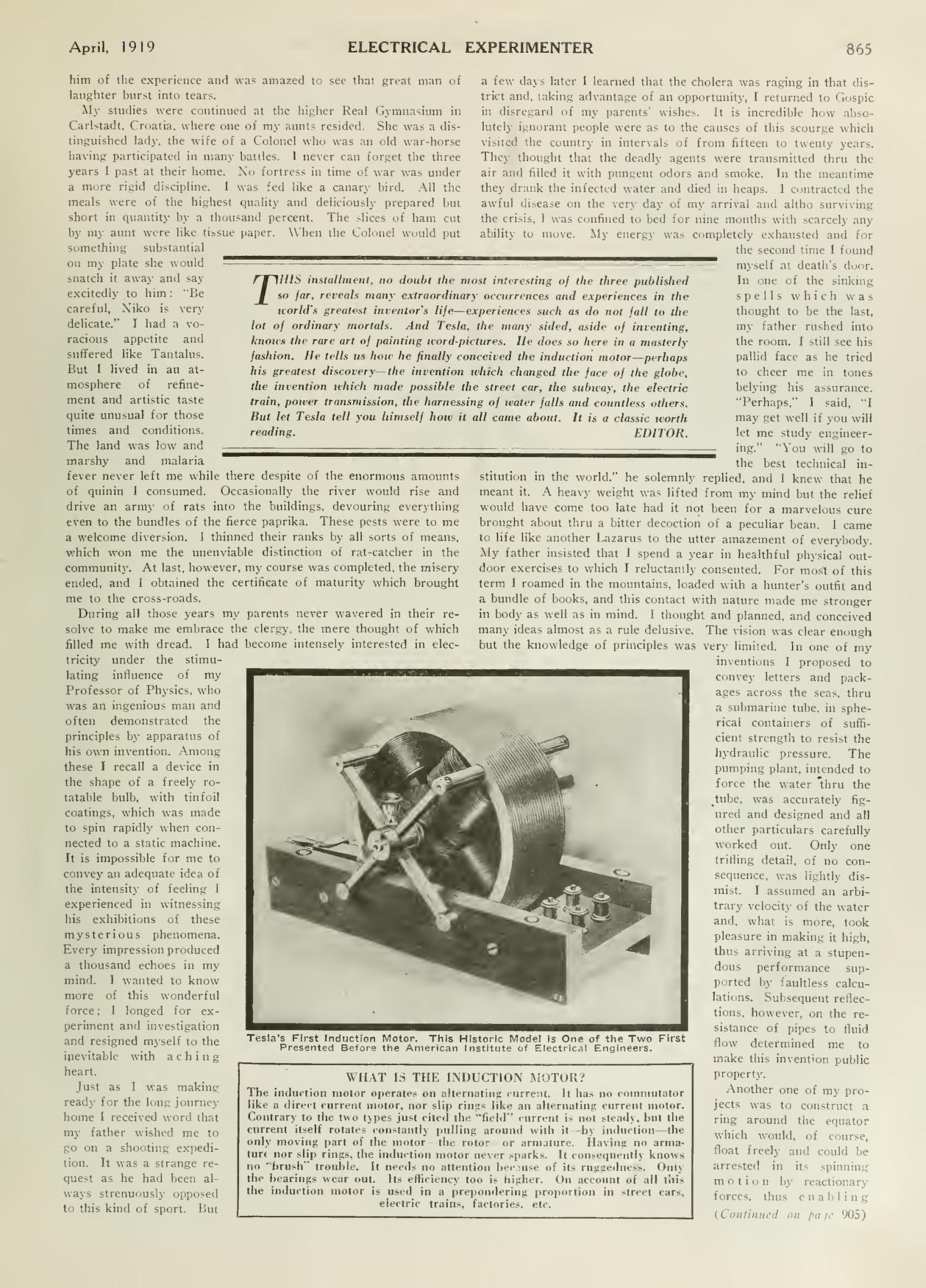 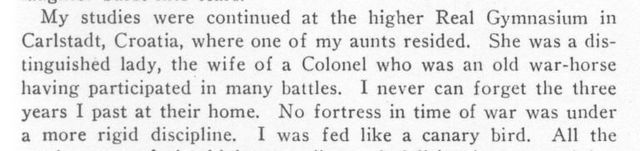 (more precisely, at the Higher Real School, and in “gymnasium schol” in Rakovac, which later became a part Karlovac.) Here, gymnasium = grammar school. Tesla’s arrival to the city of Karlovac, more precisely, to Rakovac (today a part of Karlovac), to the Higher Real School, is described in Electrical Experimenter, April 1919, on p. 865, in line 3 of the left column. At that time, Karlovac was an advanced city, with agile cultural and economic life. For example, already in 1858 it had a singing society Zora (i.e., Dawn, the oldest Croatian singing association). In 1867 it had as many as 60 singers. A more detailed information can be found in the monograph [Strohal]. In Strohal’s monograph (p. 104), it is stressed that the working language of the Higher Real School in Rakovac was German, except for the separate school subject called “Croatian Language”. Starting with the automn 1870, the subjects “History” and “Religion” were also taught in Croatian. Since 1874, all the school subjects had to be taught in Croatian language, but the lack of Croatian native speaking personnel made it impossible. Therefore, in the automn of 1878, it was decided that a half of the school subjects (Religion, Croatian language, History, and Geography) should be lectured in Croatian, while the rest (i.e., the so called “real school subjects”) should be taught in German. It was only in 1883, when the whole of the Military frontier (Vojna krajina) was adjoined to Croatia, that all the school subjects were taught in Croatian language. 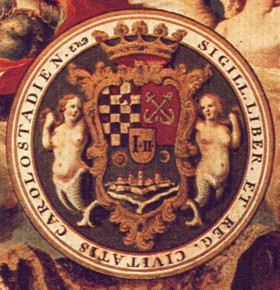 In the text below, on the left-hand side to the photo of the induction motor, there comes the most interesting part for us. Nikola Tesla mentions Martin Sekuliae in four sentences, although he does not explicitly mention his name (similarly as in the case of his mother Georgina or Duka elsewhere in the book). 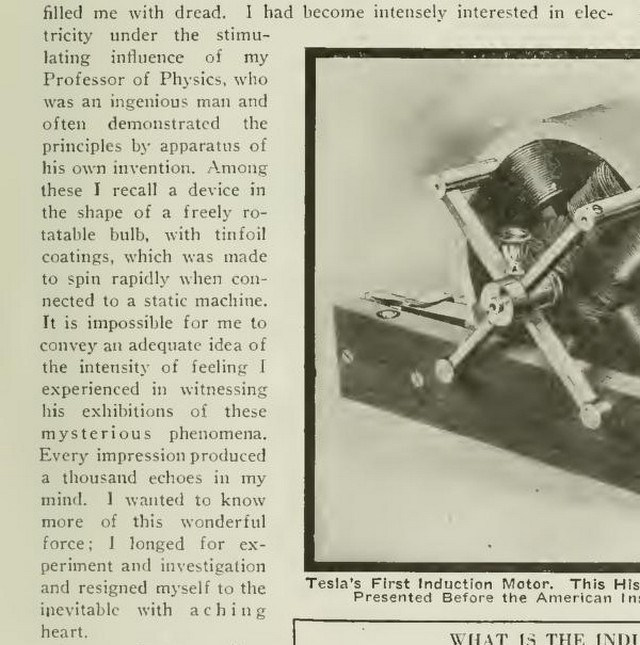 Here is Tesla’s description of Martin Sekuliae, his professor of Physics at the Higher Real School in Rakovac:
The name of Martin Sekuliae has been almost entirely left out in the contemporary literature about Nikola Tesla, and there is hardly any book in which his name is at least mentioned. This represents a grave injustice to Nikola Tesla.
In 1882, the citizens of Karlovac decided to extend the building of the Higher Real School in Rakovac, mostly for the sake of economy, in order to unite the school with the then Gymnasium in the city of Karlovac. Hence, the so called Royal Great Gymnasium in Karlovac was founded, placed in the building of the former Higher Real School in Rakovac. This has been done in 1882/83. See [Strohal, pp. 104-105]. The Higher Real School in Rakovac (intended for military profession) was cancelled as an institution, because the Military Frontier was returned under the complete sovreign administrative rule of Croatia.
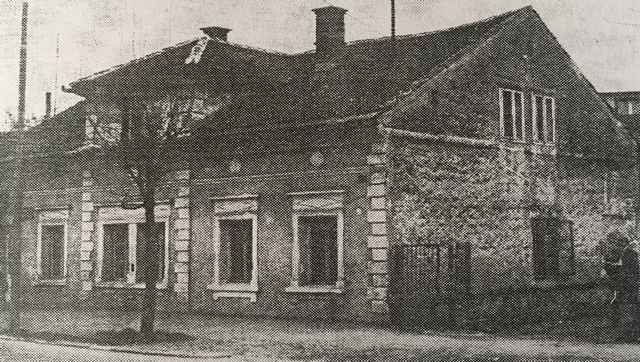 during his education at the Higher Real School. Source [Pete1iae].
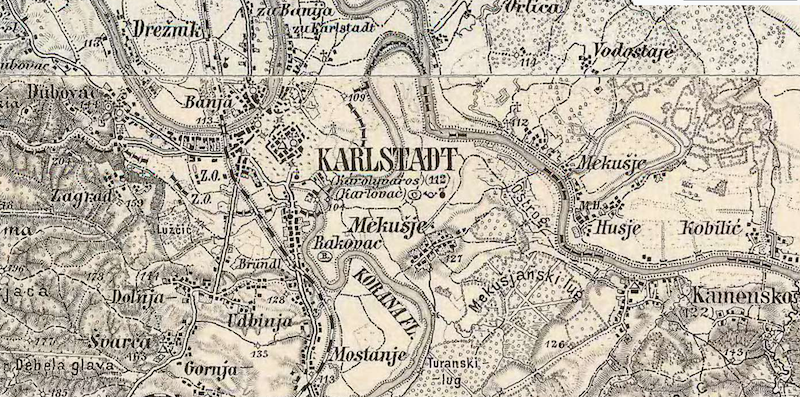 Source of the photo: [mapire.eu], Habsburg Empire (1869-1887) – Third Military Survey (1:75000). 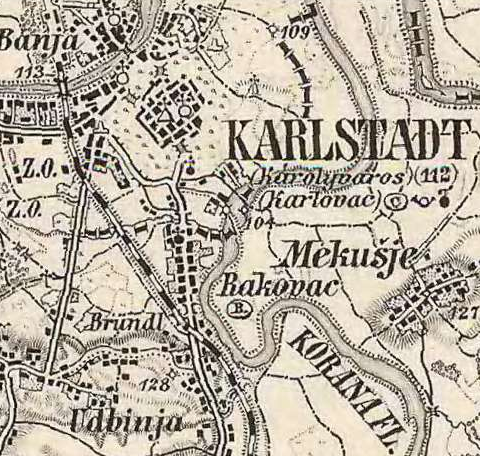
Martin Sekuliae (1833-1905), Tesla’s teacherIn the period of 1870-1873 (i.e., in the course of three school years: 1870/71, 71/72, and 72/73) Tesla was educated in the town of Rakovac from his 14th to 17th years. Rakovac is today a part of the city of Karlovac. 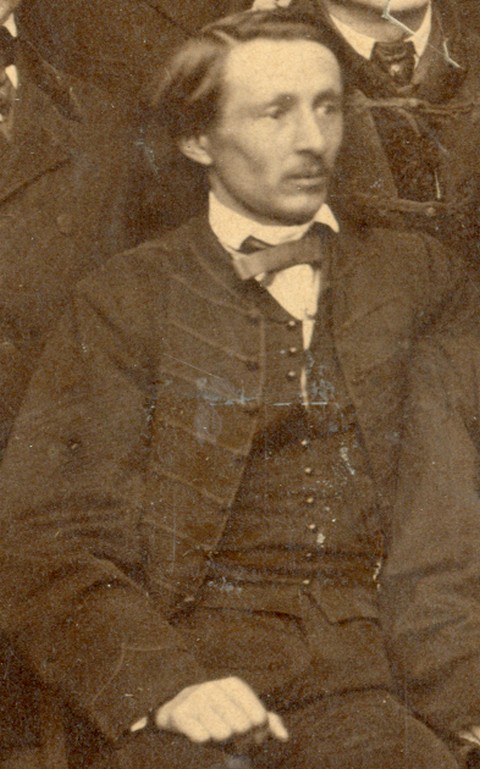 entire autobiography only for his mother and for Martin Sekuliae. Martin Sekuliae directed a physical laboratory in the Higher Real School in Rakovac, which was equipped with of as many as 579 instruments! Among his basic school subjects in Rakovac, Tesla had Croatian Language (Kroatische Sprache) as his mother tongue. 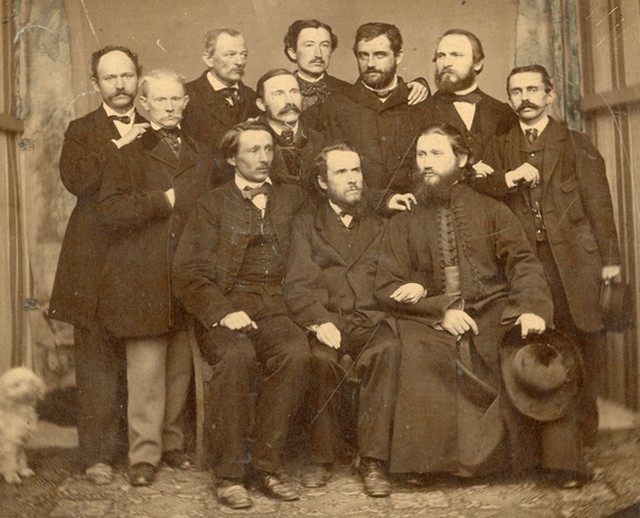 As we can see on the photo of Martin Sekuliae and his colleagues in the Rakovac Higher Real School (kept in the Croatian School Museum in Zagreb), the professors wore nice uniforms. The students also wore the uniforms, but we do not knoow how they looked like. The Higher Real School served to educate students for military profession in Croatian-Slavonian Military Frontier (Hrvatsko-slavonska vojna krajina). The occupied parts of Croatian territories (roughly, western part of today’s Bosnia and Herzegovina between rivers Una and Vrbas) became known as Turkish Croatia. Indeed, on various maps from that time (18th-19th centuries), we encounter the names od TA 1/4 rkisch Kroatien (in German), Croatie Turc (in French), Croazia Turca (in Italian). 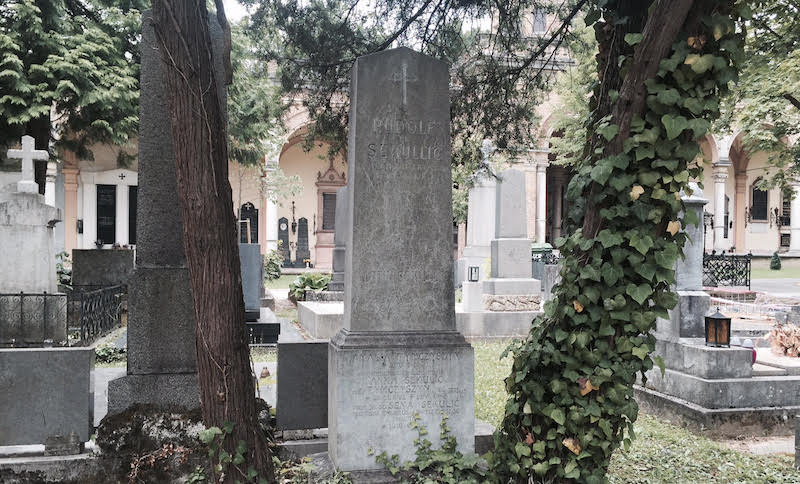 in front of the Arcades. Mirogoj is one of most beutiful cemeteries in Europe. 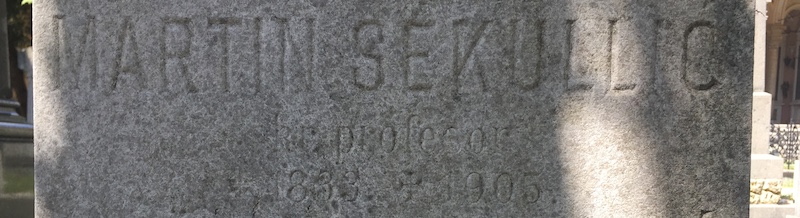 As Nikola Tesla, Martin Sekuliae (1833-1905) was also born in the Croatian region of Lika, in the town of Lovinac. Martin Sekuliae has noble roots: he is descendent of the city of Senj nobility. On his grave in the Mirogoj Cemetery we can read MARTIN SEKULLIAE, carved with the double L. 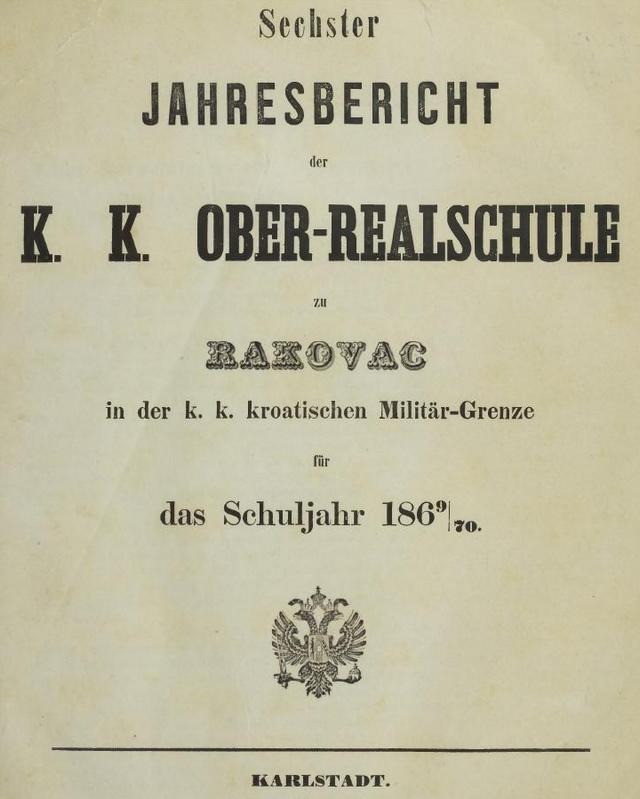 Jahresbericht K. K. Ober-Realschule zu Rakovac in der k. k. kroatischen MilitA¤r-Grenze fA 1/4 r das Schuljahr 1869./70. (Yearbook of the Imperial and Royal Higher Real School in Rakovac in Croatian Military Frontier, for the school year 1869/70)  in der k. k. kroatischen MilitA¤r-Grenze (i.e., Rakovac in the Imperial and Royal Croatian Military Frontier – Hrvatska vojna krajina)
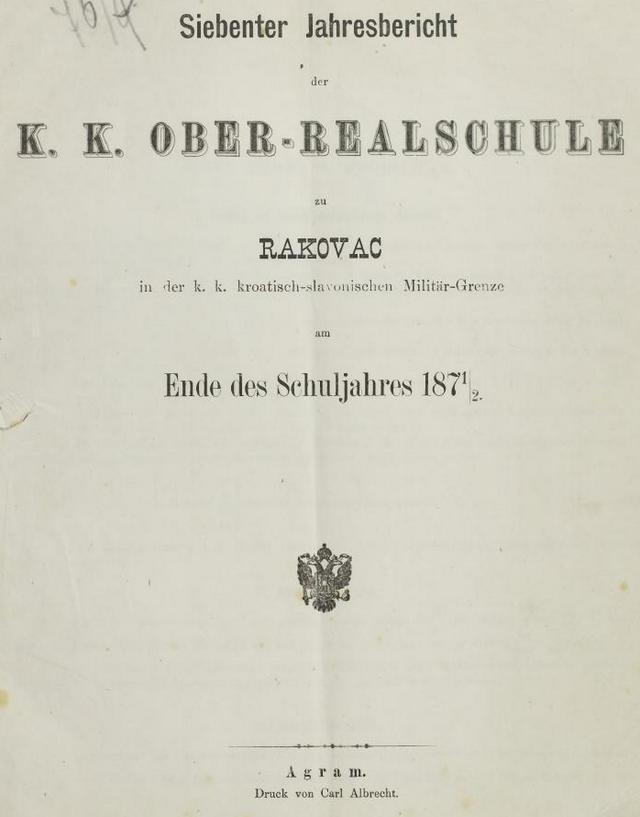  The Military Frontier (Vojna granica) is oficially called Croatian Military Frontier or Croatian-Slavonian Military Frontier (Hrvatsko-slavonska vojna krajina).
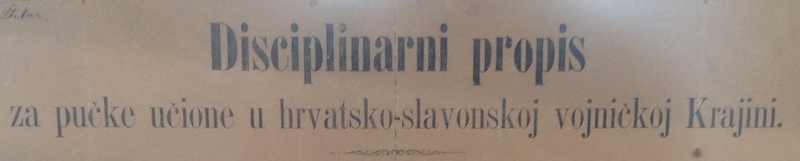 It was published in 1874 in Zagreb. 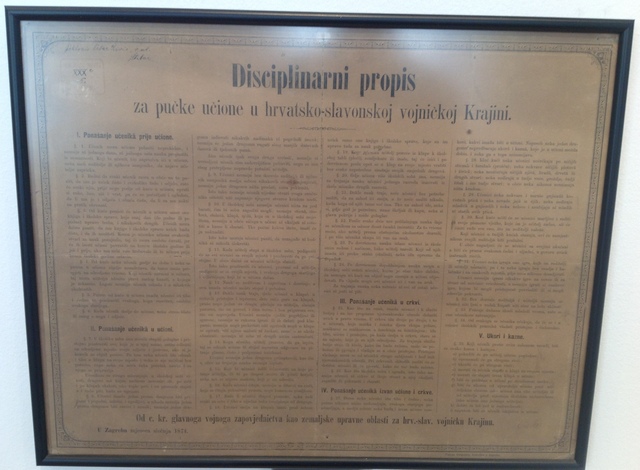 Some of the disciplinary regulations during Tesla’s education in Croatia were:
In 1873, Tesla completed his secondary schooling with matriculating in front of the committee consisting of eleven (sic!) professors. Due to the existence of such a serious exam, he did not have to enter the admission exams in any of the high technical schools in Austro-Hungarian Empire. Thus, he enrolled directly at the prestigious High Technical School in Graz, Austria. Most probably there Tesla met Antun Lueiae – Anthnoy F. Lucas, the future Father of Petroleum Engineering (Tesla’s compatriat, born in 1855 in the city Splitu, one year before Nikola Tesla). What Nikola Tesla represents for Electrical Engineering in general, Antun Lueiae (Anthony F. Lucas) represents for Petroleum Engineering. Every year, since 1936 till these days, the American Geological Society awards the prestigious Lucas Medal. It is little known that the last Turkish Osmanly (Ottoman) attack on the city of Karlovac, attempting its occupation, took place in 1878, i.e., only five years after Tesla’s completion of his schooling in Rakovac. (this information is given by the courtesy of Antun Milinkoviae, professor at the Gymnasium of Karlovac, actually working in the same building in which Nikola Tesla attended the then Higher Real School.
Martin Sekuliae – corresponding member of JAZU (today HAZU – Croatian Academy) in ZagrebIn 1873, at the age of 40, Martin Sekuliae became a corresponding member of the Academy in Zagreb, at the Department of Mathematics and Natural Sciences. In that year, Tesla was completing his schooling in Rakovac, where Martin Sekuliae was his professor. Martin Sekuliae has 13 published papers (three of them in prestigious Annalen der Physik, one in Wiener Any. Jahrg, and nine papers in Rad JAZU, a journal of the Academy which exists also today); see [Vukoviae and Valent]. Let us list the titles of some of the papers of Martin Sekuliae (the source of information is mainly the German Wikipedia and [Muljeviae]):
During Tesla’s schooling in Rakovac, Sekuliae has published his articles Fluorescencije i calcescencija (Fluorescency and calcescency, 1871), Polarna zora kao ueinak zemaljske munjine (Polar dawn as a result of electricity of the Earth, 1872.), Istra 3/4 ivnje suneeve duge (Research of the rainbow of the Sun, 1873), all in Rad JAZU in Zagreb. More extensive information about the biography and bibliography of Martin Sekuliae is available in the work [Vukoviae and Valent]. 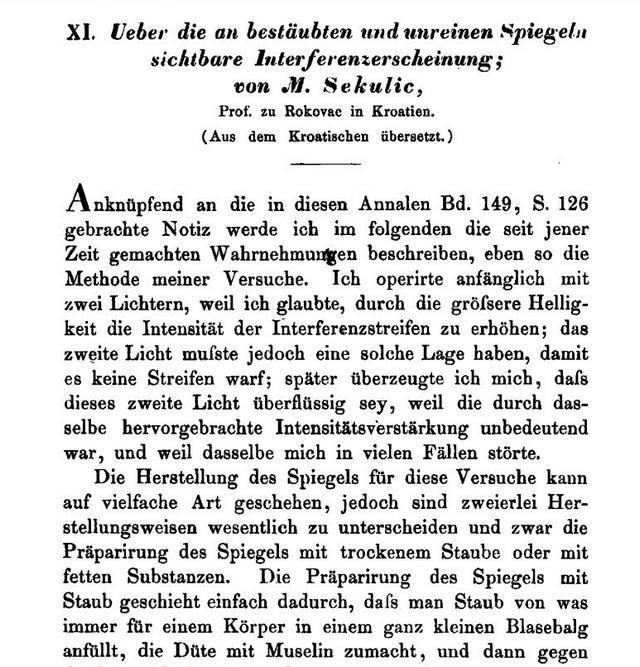 An article by Martin Sekuliae published in prestigious German scientific journal Annalen der Physik in 1875. Here we can see a part of the first page (p. 308); the whole first page: [JPG]. Instead of Rakovac, in the title there a small mistake: Rokovac. Below his name, it is stressed that he is a professor in Rakovac in Croatia, and that the paper represents a translation from Croatian language. The entire Sekuliae’s work is available (upon paying) at doi:10.1002/andp.18752300212. 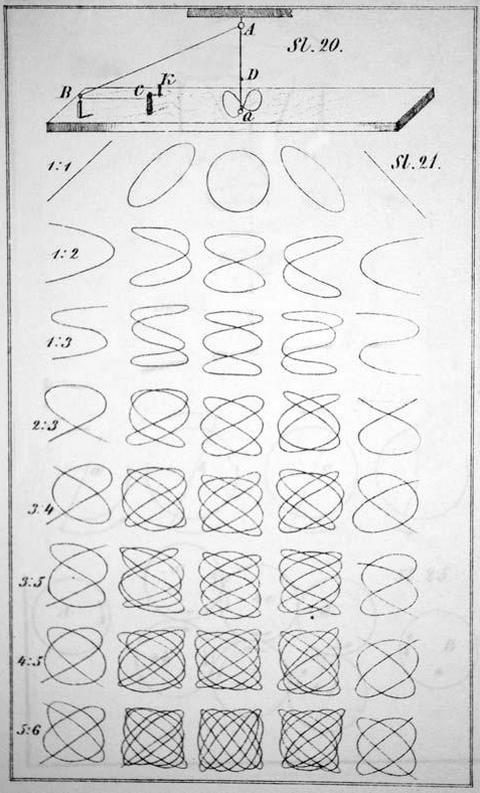 Lissajous curves that Martin Sekuliae drew and described in his paper Fizika atoma i molekula (The physics of the atoms and molecules), Rad JAZU Knj. 26(1874) p. 109-152. Sekuliae constructed a special apparatus for drawing Lissajous curves. See [Muljeviae, str. 334].
Tesla became a corresponding member of the Academy (JAZU, now HAZU) in Zagreb in 1896, also at the age of 40 as Sekuliae. The Academy (JAZU) in Zagreb was founded in 1866. Martin Sekuliae became its member seven years after its founding, while Nikola Tesla was elected thirty years after its founding.  published in 1758 in Vienna. The photo was taken 1896 in New York, in front of the spiral coil of the high frequency transformer (Tesla’s coil) in his laboratory in the Houston Street. Sekuliae enthused Tesla for Bo1koviae, by popularizing Bo1koviae’s idea that the whole Physics can be founded on the unique type of force. 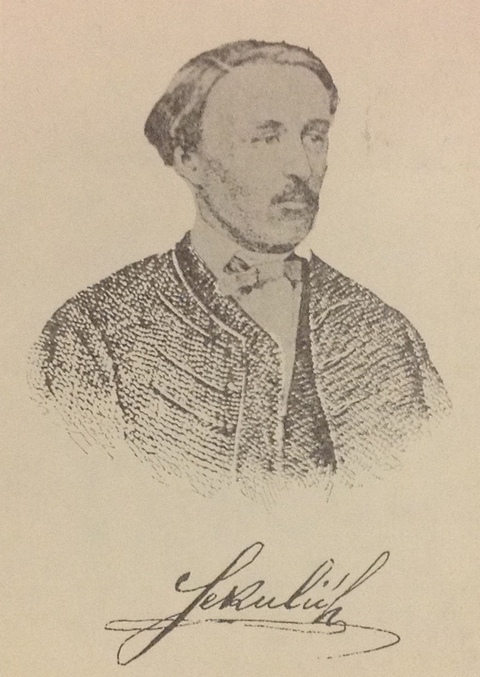 (on the slopes of the South Velebit hinterland near the coast), professor of Mathematics and Physics, who enthused young Nikola Tesla for electricity. The prestigious journal Annalen der Physik was founded already in 1790 (in the time of the beginnings of Sekuliae’s scientific work, the complete name of the journal was Annalen der Physik und Chemie). Martin Sekuliae published his papers in this journal in 1872, 1873, and in 1875, in German language. This shows that young Nikola Tesla listened to the lectures of Martin Sekuliae at the time of his greatest scientific activities. Since 1895, German Nobel Prize winner Max Planck served as an associated editor of Annalen der Physik, while from 1907 till 1943, he was its editor in chief. We mention in passing that in 1942, at the age of 84, Max Plack delivered an invited lecture at the University of Zagreb. He was welcomed by the then rector Stjepan Iv1iae, distinguished Croatian linguist. The lecture was conducted in the stuffed lecture hall of the then Technical Faculty (of the University of Zagreb) in Kaeiaeeva street 26, entitled “The meaning and bounds of exact natural sciences.” No photo of Planck’s sojourn in Zagreb has been preserved. Even the Hotel Esplanade in Zagreb, where Planck stayed, has no preserved information about the sojourn of distinguished scientist (all the documents were destroyed after 1945, during the communist time in ex-Yugoslavia). During his lecture in Zagreb, Planck spoke among others about the danger of the atomic bomb (which was for the first time unveiled for the broad public). See [Leo Randiae].
Other Tesla’s professors in Rakovac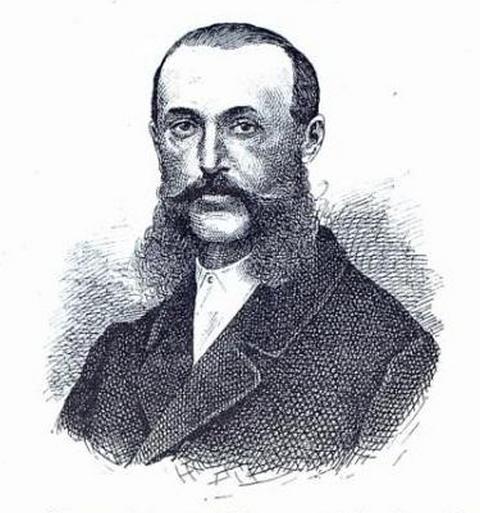 in the time when young Nikola Tesla attended it. Source [Cuvaj, str. 215].
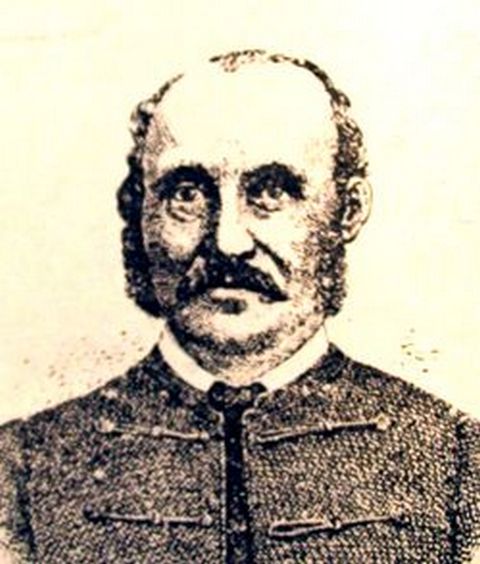 a member of the matriculation committee to young Nikola Tesla, responsible for schools in the entire Croatian-Slavonian Military Frontier (Hrvatsko-Slavonska vojna krajina). The exam was conducted in German. One of the members of the matriculation exam committe for young Nikola Tesla at the Higher Real School in Rakovac was professor (R)ivko Vukasoviae (1829-1874), zoologist, entomologist and a full member of JAZU, the then Academy in Zagreb (besides this, he was one of two school surveillors for the whole of Croatian-Slavonian Military Frontier – Vojna krajina). Born in the village of Beravci (south of Dakovo), he completed two very different studies in at the universities of Vienna and Graz: Law and Biology. (R)ivko Vukasoviae, land inscpector for secondary schools
(C)o1tariae, Franjo Kreminger, keeper of the minutes, M. Sekuliae, A. Hoeffler, N. Gr. (R)ivkoviae, Petar Tomiae, G. Fridrih, Jaguniae, M. Bra1niae, Joh. Jamnicki. Dr. Petar Tomiae (1839.-1918.), born in Zabok in Hrvatsko Zagorje (region on the north of Zagreb), professor of History and Geography, was also a member of the matriculation committee. The next year (i.e., in 1874) he earned his PhD in Graz. Nikola Tesla matriculated on July 24th, 1873. In his matriculation form (written in German; see the photo below) Tesla is mentioned as seventh in order, and his birth date is mistakenly written as Novemeber 2nd, 1856 (should be 9/10 July)
(source Gymnasium in Karlovac) 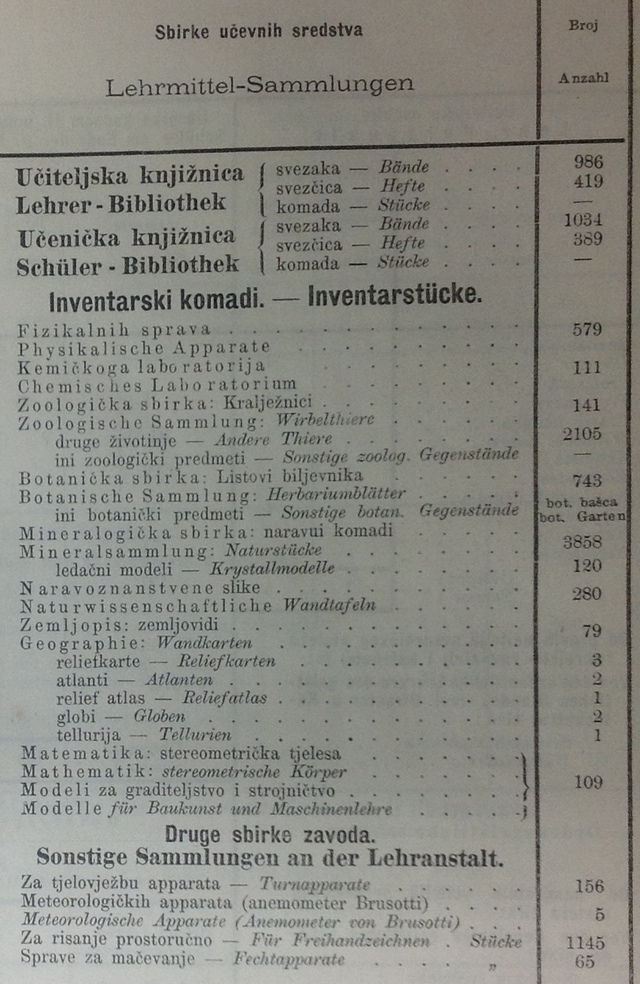 Statistics of teaching from 1871. (i.e., from the year when young Nikola Tesla was a student at the Rakovac Higher Real School, at the age of 15) inform us that
All this shows us that young Nikola Tesla had excellent professors, and that his school in Rakovac was enviably equipped with teaching tools, especially in the field of Physics (including Electrical Engineering).
Nikola Tesla and Croatian languageIn 1868, a decision was taken that the Croatian language should be equal to German in all gymnasiums and real schools on the territory of Croatian-Slavonian Military Frontier. It was not possible to carry out this decision in the Lower Real School in Gospiae (where Tesla completed his first three years of education), “because only two teachers know Croatian langague” (namely, in the aforementioned school the majority of teachers were foreigners, who were lecturing in German). The Gospiae Lower Real School added the fourth grade only in 1872. See [Pete1iae, p. 28]. For the same reason, it was only in 1874 that the Higher Real School in Rakovac passed to the teaching in Croatian language. Until then, there was a special subject called Kroatische Sprache (Croatian Language), which was listened to by young Nikola Tesla. In 1871 (when Tesla was at the age of 15), the Higher Real School in Rakovac added the seventh grade, by interpolating an additional grade between three lower and three higher grades. For this reason, Nikola Tesla skipped the fifth grade, and jumped from the fourth grade immediately to the sixth grade. All the school subjects apearing in the Yearbook of the Imperial and Royal Higher Real School in Rakovac (Godi1nje izvje1aee Carske i kraljevske velike realke u Rakovcu) for the period of 1872-1874, are described not only in German, but also in Croatian language.  
Let us see the school subject called prirodoslovje (i.e., Physics; four school hours weekly):   Physics. Heat, electricity and magnetism. Static of solids and liquids based on experiments and on popular mathematics.
Let us also see mathematika, i.e., Mathematics (five school hours weekly):  
In time when Nikola Tesla was a secondary school student at the Higher Real School in Rakovac (at the age of 14-17), there was an elective school subject called pjevanje (gesang), i.e. Singing:  The above information about singing can be found in the Yearbook (Godi1nje izvje1aee) published in Zagreb (Agram) in 1871/1872. 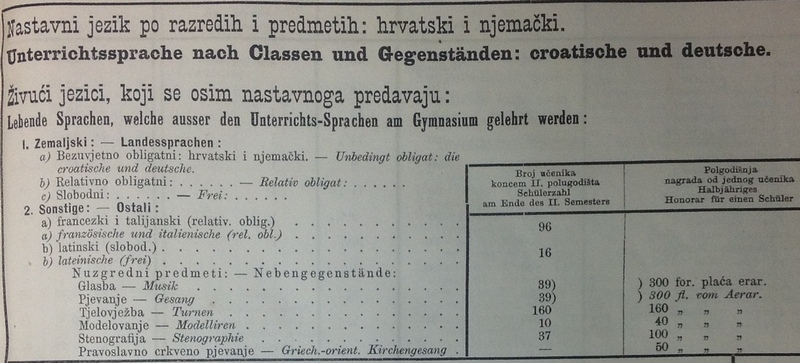 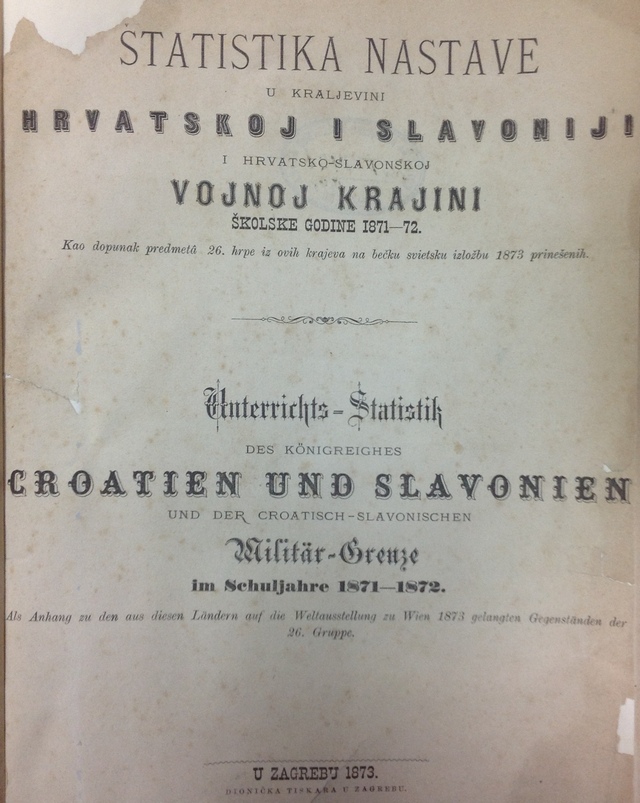
Tesla’s diplomas and documents from RakovacTesla’s mother tongue during his schooling was Croatian: 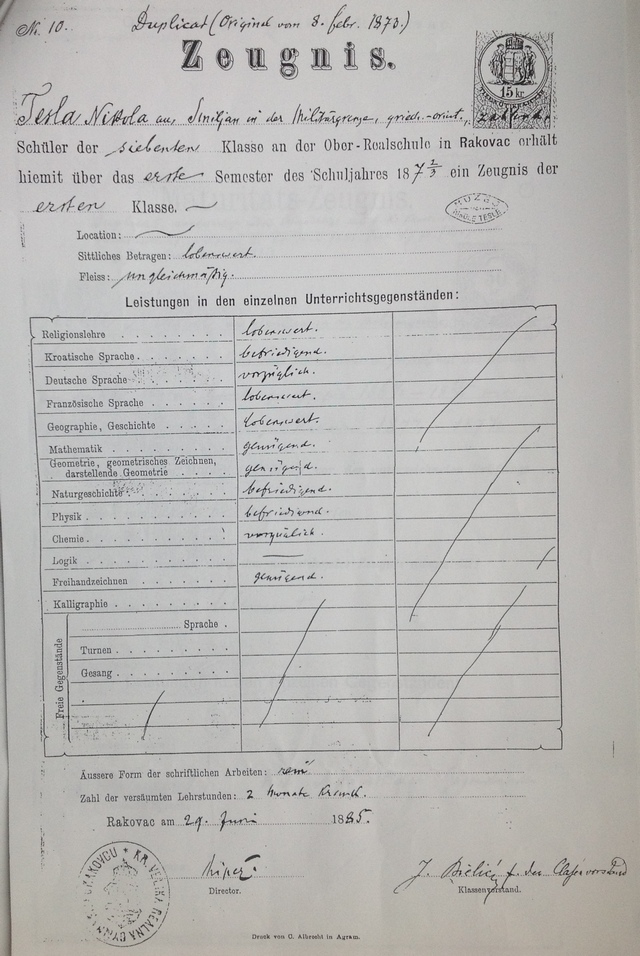 form the first semester of the school year 1872/73. 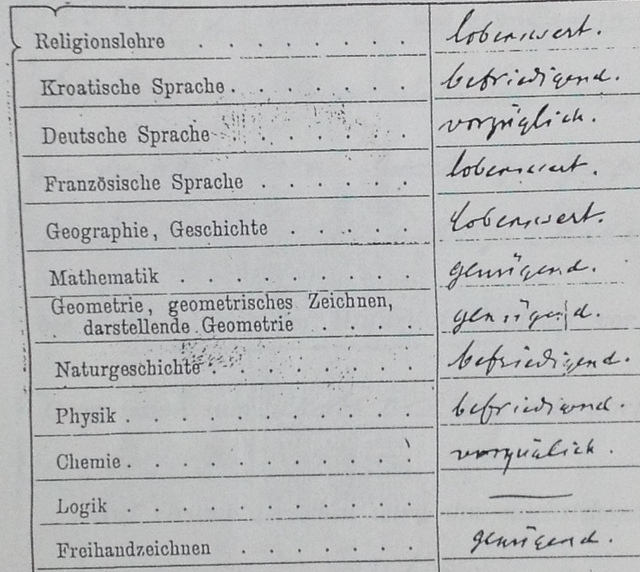 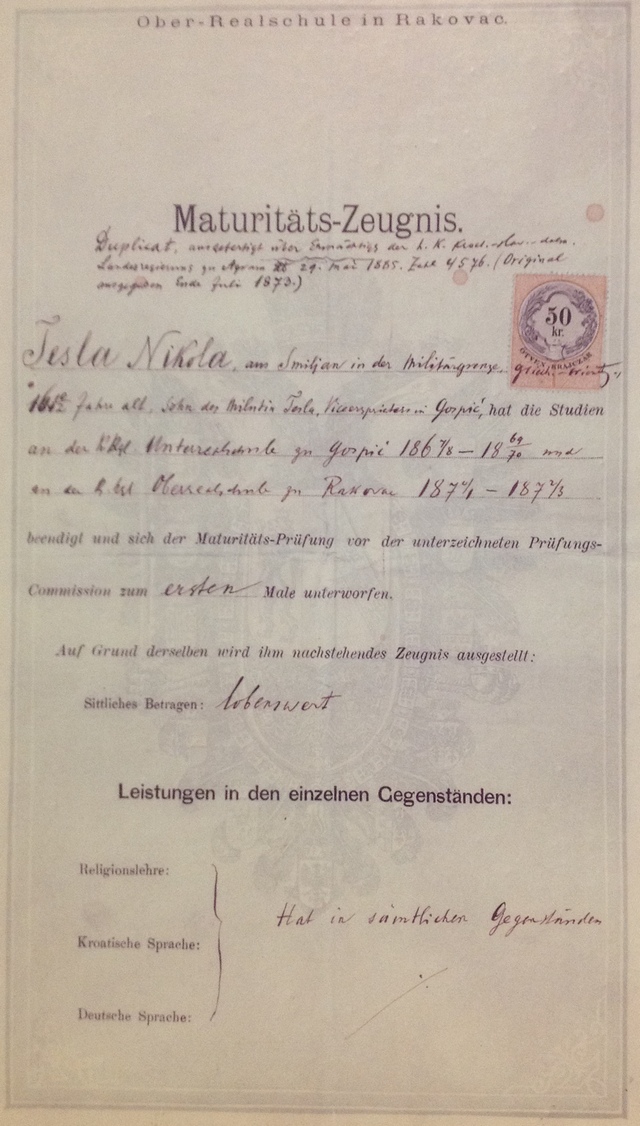  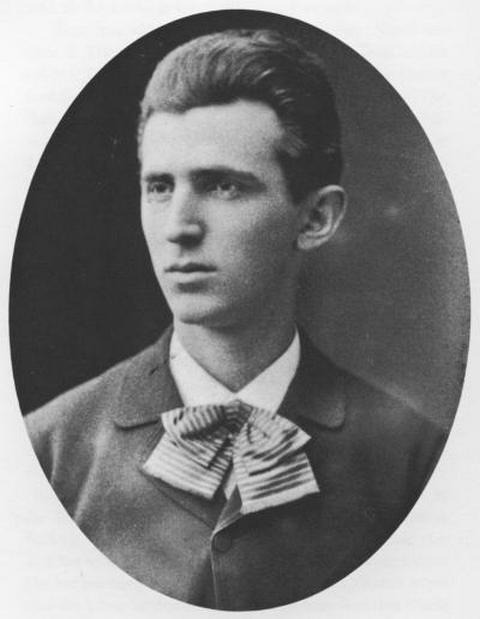
In the fourth grade of the Higher Real School in Rakovac, Tesla had an excellent mark in Croatian Language; [Jadriae, Mihaljeviae]. |
Passport issued to Nikola Tesla in Croatia’s capital Zagreb in 1883In 1883, the presidency of the royal Croatian-Slavonian-Dalmatian land government in Zagreb, issued Tesla’s passport to the regional office in Gospiae “for abroad – France, Russia and Germany, for three years”; see [Pete1iae, p. 47]. 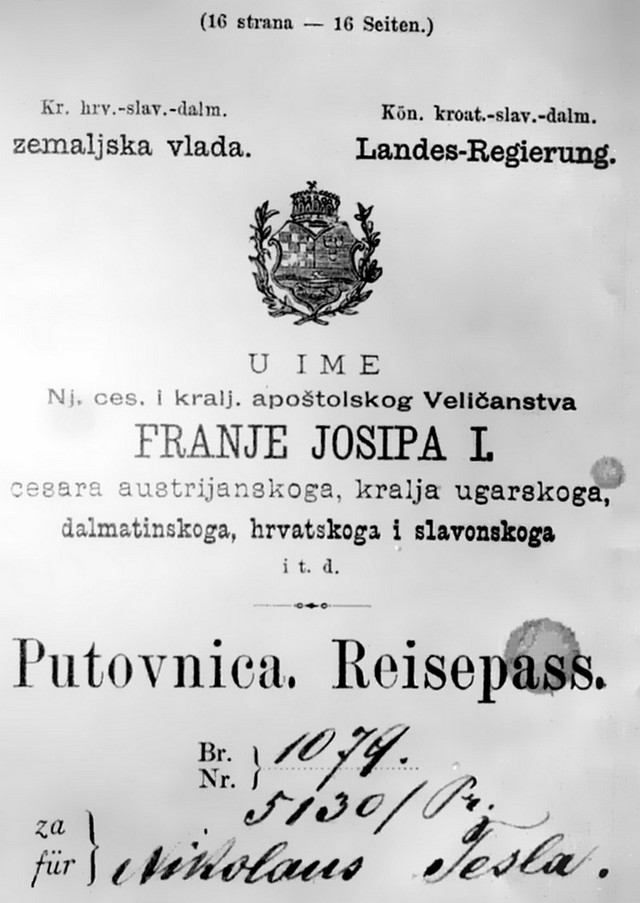 In the middle there is the Coat of Arms of the Kingdom of Croatia-Slavonia-Dalmatia. 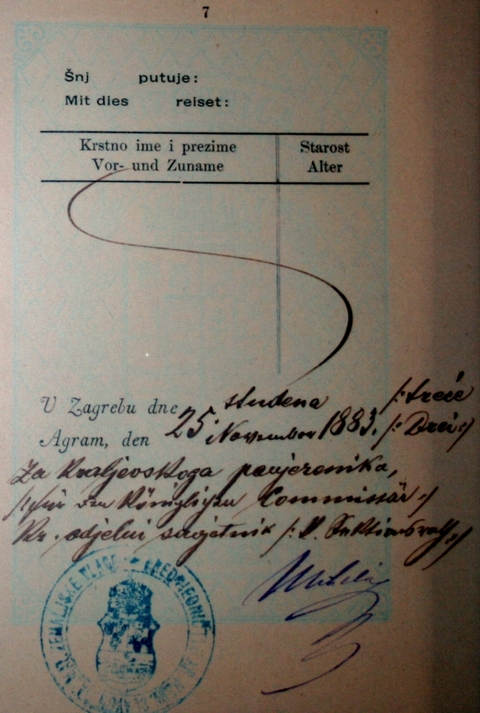 when Nikola Tesla was at the age of 27. The library of the Gymnasium in the city of Karlovac possesses documents on issuing Tesla’s documents in the time when he was already in the USA. More precisely, Tesla’s uncle, the Gospiae archpriest Petar Mandiae, submitted a request to the Royal Land Governement (of the Three-Une Kingdom of Croatia, Slavonia and Dalmatia), to the Department of Religios matters and Education, in order to “issue a matriculation form for Nikola Tesla to me”. The uncle wrote that Tesla “has left for New York in America, in order to be trained in telephone profession, and for this he needs his matriculation form for studies completed here.” The request was resolved in the positive on July 1st, 1885 (no. 4576). See [Pete1iae, p. 54]. 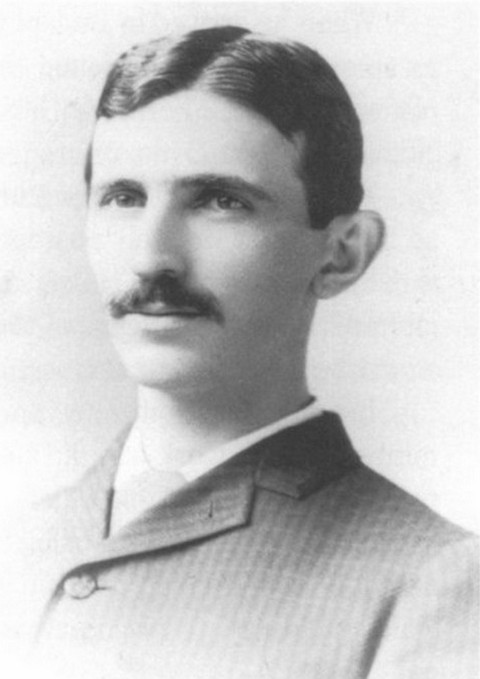 AEiril Pete1iae considers it to be unclear how was it possible that Tesla could travel without any passport from Budapest to France and Germany in 1882. Also, it is not known how Tesla obtained permission to travel to the USA in 1884, since this destination was not predicted in his passport issued in Zagreb in 1883. See [Pete1iae, p. 47]. Humanism in the time of Tesla’s schooling in RakovacAt the Higher Real School attended by Nikola Tesla, there was the Socity for Supporting Poor Students (Dru 3/4 tvo za podporu siroma1nih ueenika), founded already in 1860. 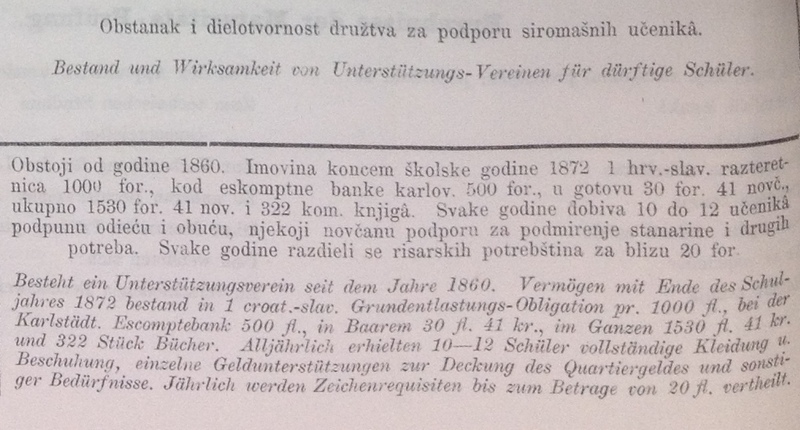 Society for Support for Poor Students, founded already in 1860 (p. 60). Source: Statistics for the Schooling in the Kingdom of Croatia and Slavonia and in Croatian-Slavonian Military Frontier in the school year 1871-72 (Statistika nastave u kraljevini Hrvatskoj i Slavoniji i hrvatsko-slavonskoj Vojnoj krajini 1kolske godine 1871-72.), Zagreb 1873. Ivan Me1troviae, distinguished Croatian sculptor, wrote the following about Tesla’s idealism:
Since 1895, Nikola Tesla seems to have been under the spiritual influence of Swami Vivekananda (1863-1902) from India. Lecture of Nikola Tesla in the City Hall in Zagreb in 1892How does the interior of the City Hall on the Upper Town in Zagreb look like, where Nikola Tesla delivered his invited lecture? Croatian Coats of Arms can be seen on the walls and on the ceiling: 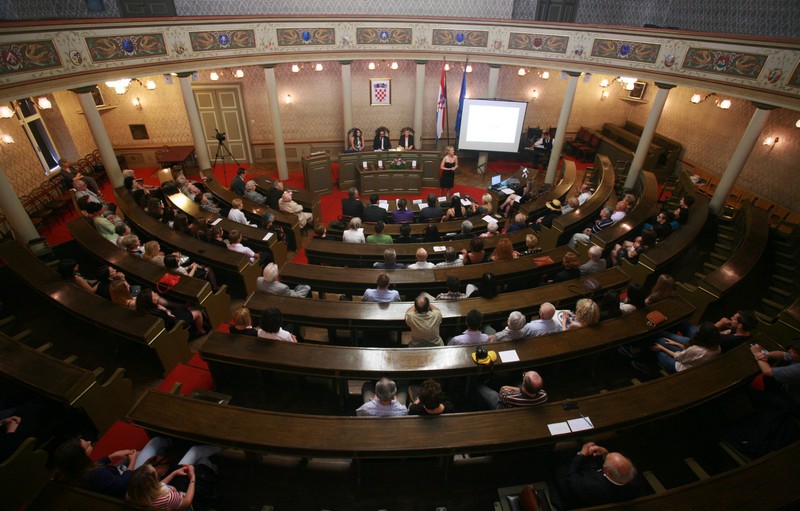 to the capital of his homeland in 1892.  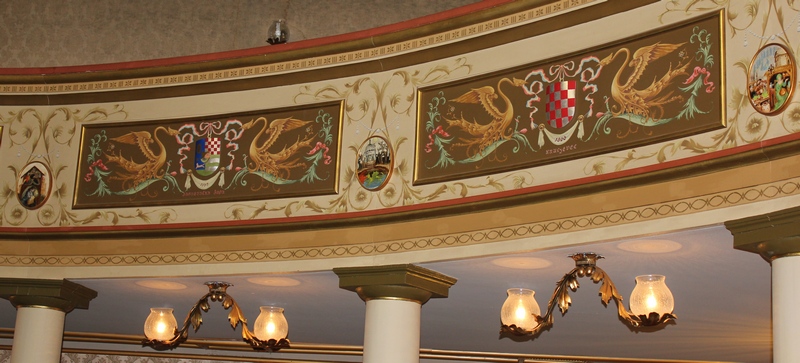 An article describing Tesla’s lecture in the City Hall in Zagreb, in the time of mayor Milan Amru1, published in “Narodne novine” (Peoples News) on May 25th, 1892. It is not excluded that Tesla’s teacher Martin Sekuliae was also among the listeners.  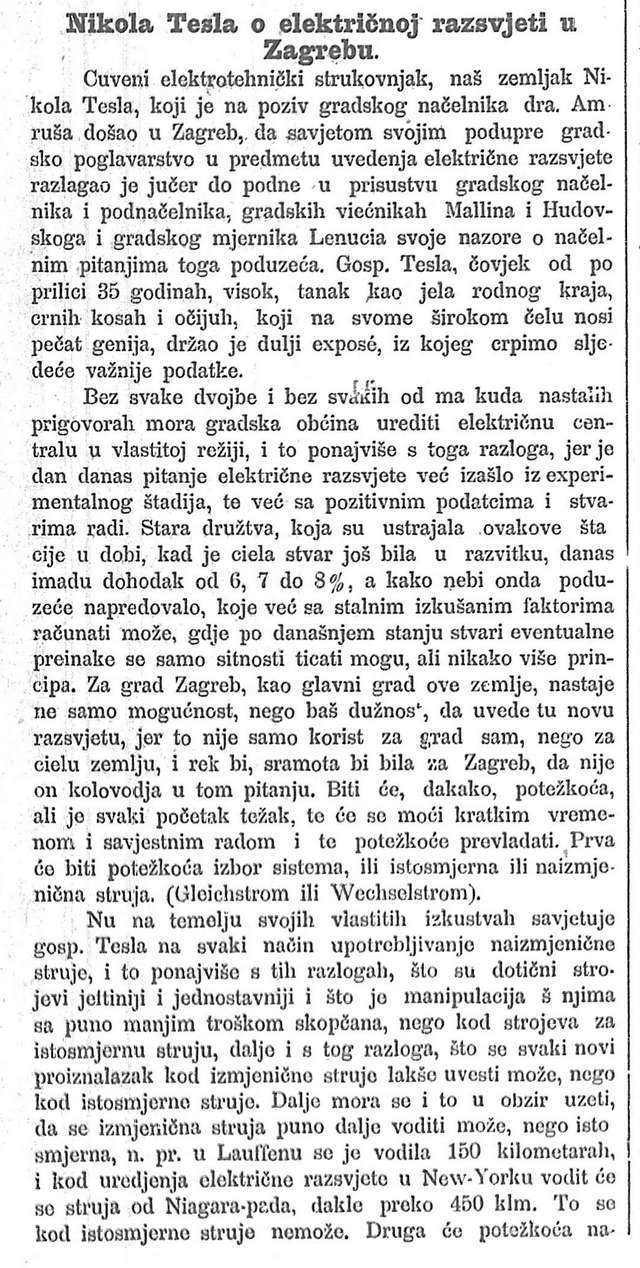 Many thanks to the National and University Library in Zagreb for Narodne novine (People’s News) of May 25th, 1892, where this little known and very important article was published. 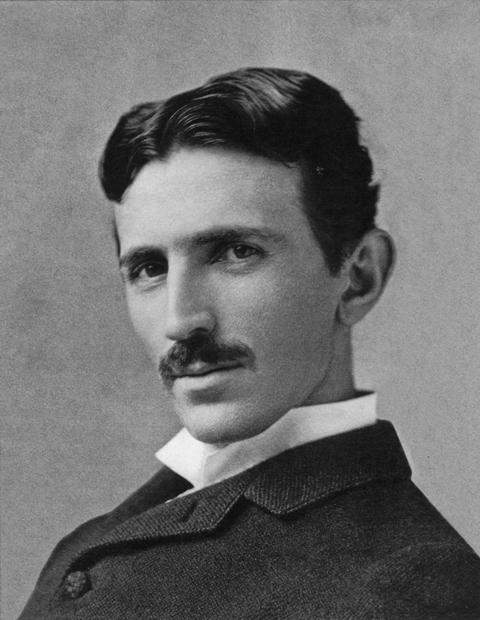 Photo by Napoleon Sarony, distinguished American portrait photographer.
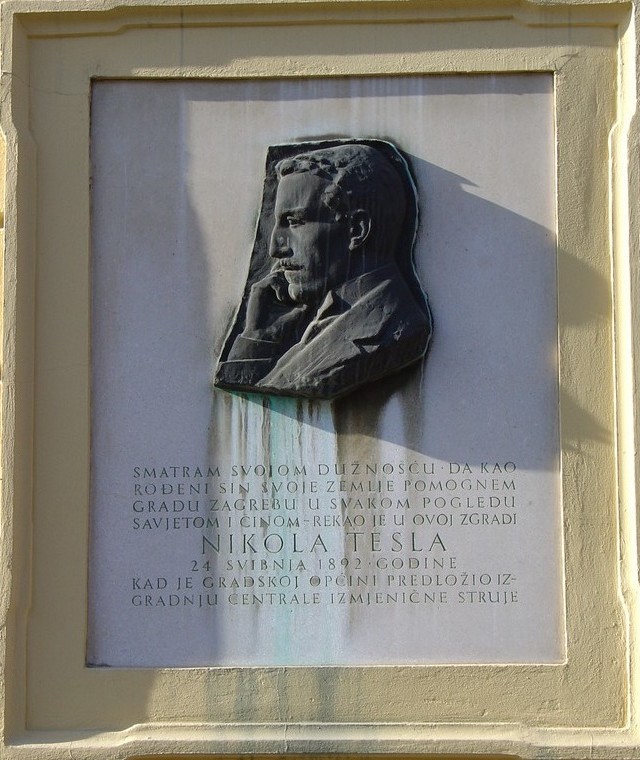 to help the city of Zagreb with advice and action in every respect. Words pronounced in the City Hall, on May 24th, 1892, when he suggested the City Council building an AC power plant. Setting this plaque, created by academic sculptor Grga Antunac, has been incited by professor Vladimir Muljeviae. Electric plant (Munjara) of the city of Karlovac in 1908 in Ozaljmunjara = electric plant (derived from munja – lightning) In 1908, a hydroplant, i.e., munjara, was built on the basis of the alternating current technology of Nikola Tesla. The building was designed by Hermann Bolle (1845-1925), better known as the designer of the Zagreb Cathedral, the Mirogoj Cemetery, etc. The first hydroplant in Croatia was built in the city of (C)ibenik already in 1895, as one of the oldest such electric plants in the world. 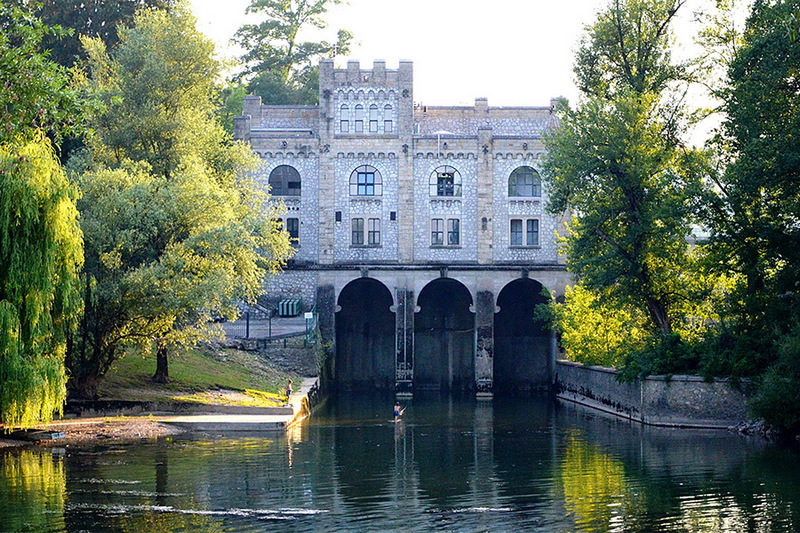 Source of the photo: Tourist Associatina Ozalj. 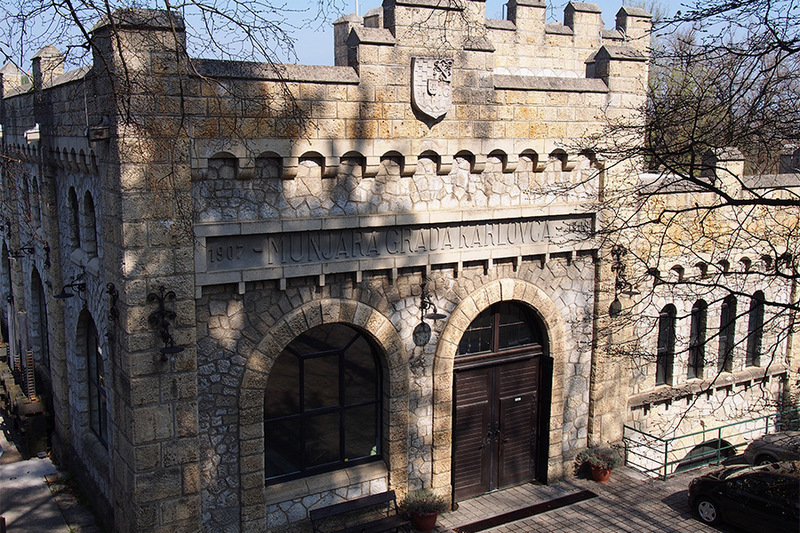 (as a part of the Coat of Arms of Karlovac). The city of Gospiae had its first electric plant in 1925 (see HEP). Tesla’s birthplace, the village of Smiljan, obtained AC current as late as 1956, i.e., 100 years after his birth. The city of Zagreb built its first Munjara (electric plant) in 1907, in the region Tre1njevka, very near Panorama Hotel (on the south of it). The street where Munjara was built is even today called Munjarski put (Electric plant lane). On August 26th, 1895, the first hydroelectric plant was launched on the Niagara Falls. Only two days later, the first Croatian hydroelectric AC plant plant was launched on the Krka Falls (Krka National Park in Croatia), which on August 28th, 1895 lighted the city of (C)ibenik. After that, the AC current was introduced in the cities of Rijeka (1890), Eakovec (1893), Zadar (1894), Vara 3/4 din (1895), Dubrovnik (1901), Pula (1904), Pakrac and Sisak (1905), and Zagreb (1907). The source of these data is the monograph Stoljeaee svjetla u Zagrebu, 1907 – 2007 (Century of Light in Zagreb, 1907 – 2007), published by Hrvatska elektroprivreda (Croatian Electric Power Industry; Durda Su1ec, ed.).
Personal acquaintances of Nikola TeslaSome of the personal friends of Nikola Tesla (there are no known joint photos with Tesla, except for Fritzie Zivic, Croatian-American boxer):
Distinguished Croatian artists Milka Ternina, Zlatko Balokoviae, and Ivan Me1troviae, are mentioned as Tesla’s friends in the book by AEiril Pete1iae (1923.-2012.): [Pete1iae, p. 70]. 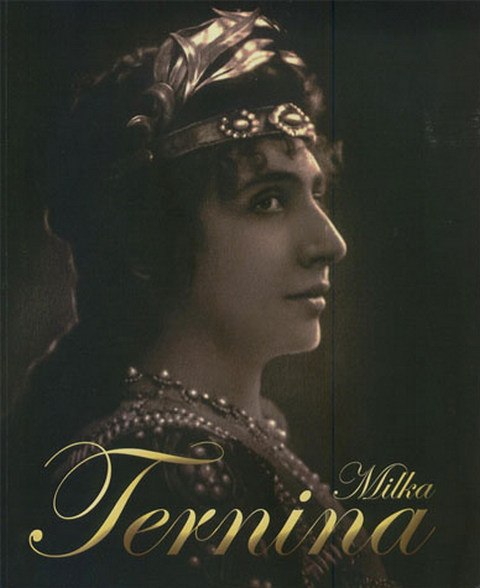 source of the photo Museum of the City of Zagreb 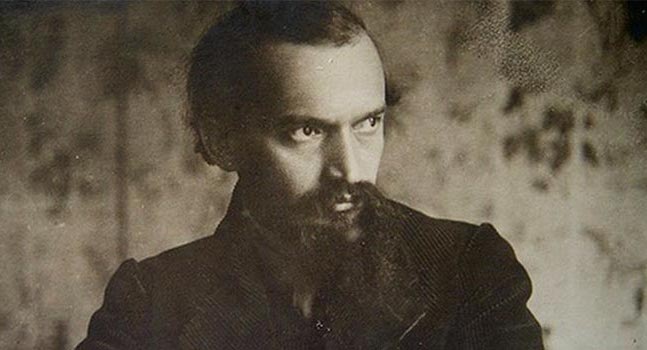 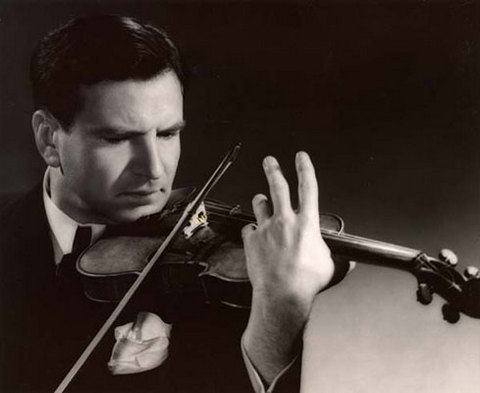 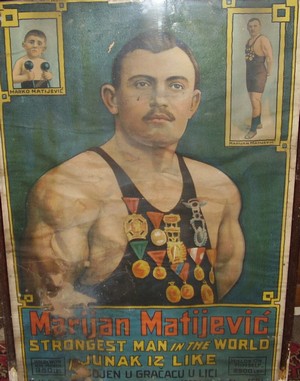 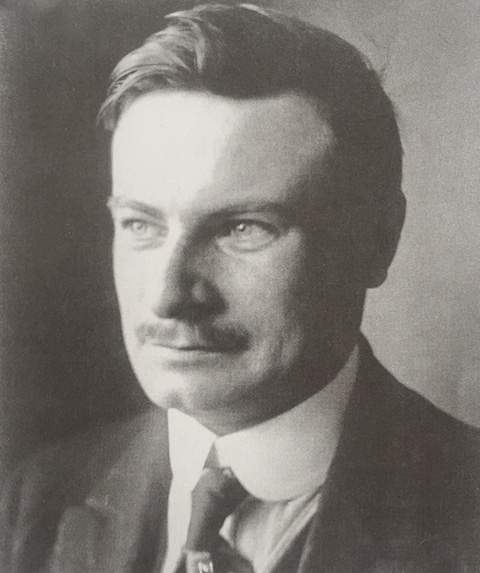 Source [Vladimir Novak, Croatians in America, p. 73]. Benkoviae and Tesla attended the secondary school in the same building in the city of Karlovac. 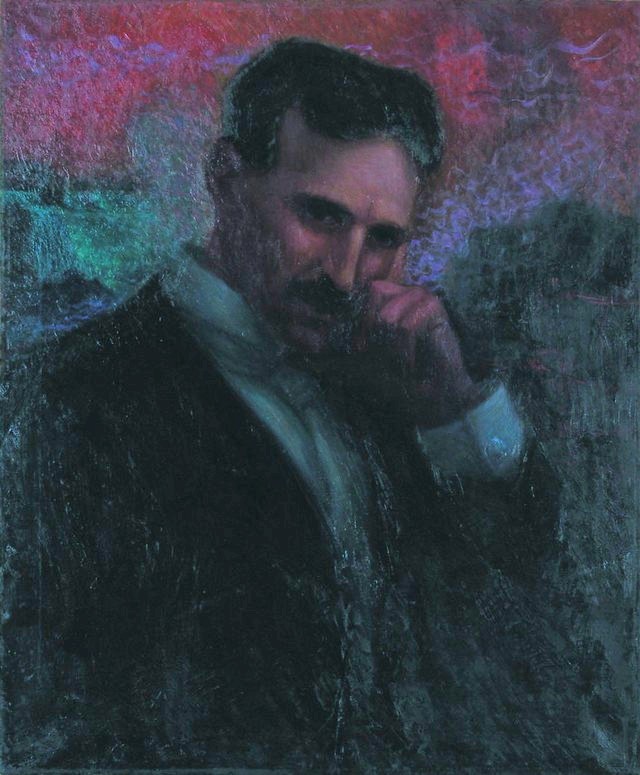 Our gratitude goes to Mrs. Milica Kesler of the Museum Nikola Tesla in Belgrade, for having sent us the photo. Dimensions of the portrait are 76 x 63 cm (by the courtesy of Mrs. Jasenka Ferber Bogdan, HAZU). 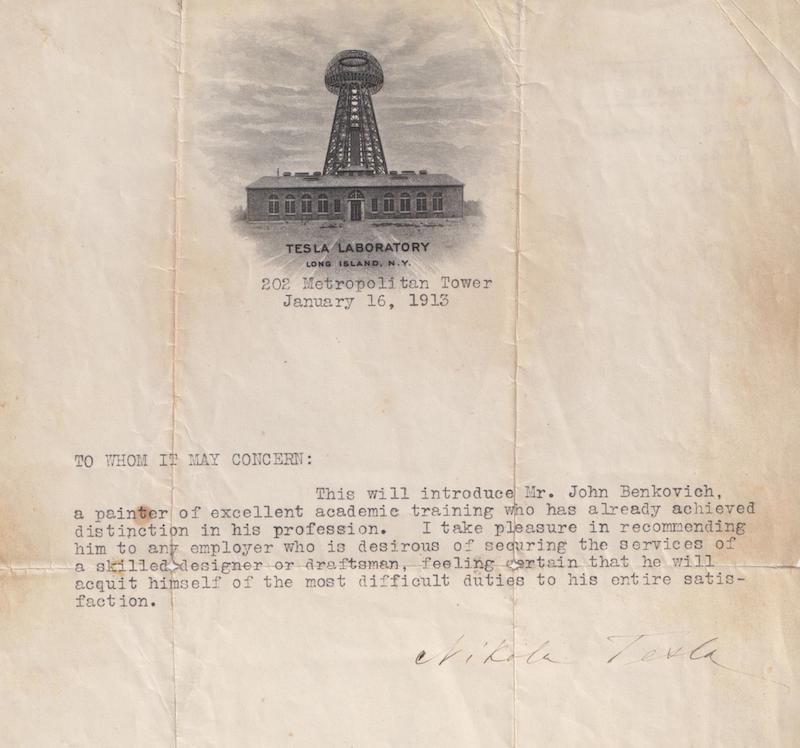 Many thanks to the Samobor Museum for having sent us the photo. Here is the content of Tesla’s recommendation letter written for Ivan Benkoviae, kept in the Samobor Museum (Benkoviaeev’s wife Marija Anger was born in Samobor):
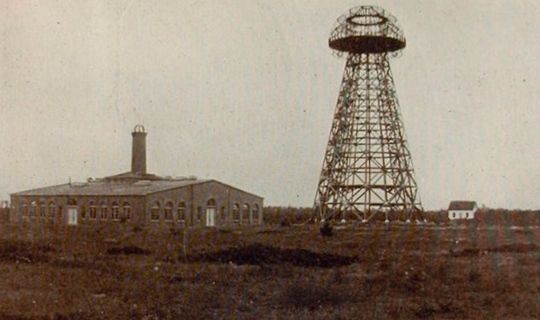 Height 57 m, diameter of the cupola 17 m. July 4, 1917 – The Fall of Nikola TeslaAcEUR(TM)s Wardenclyffe Tower 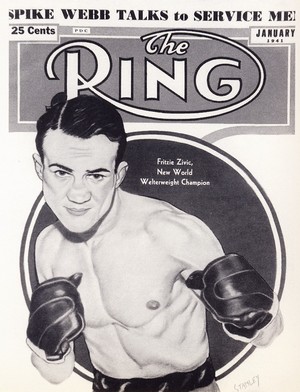 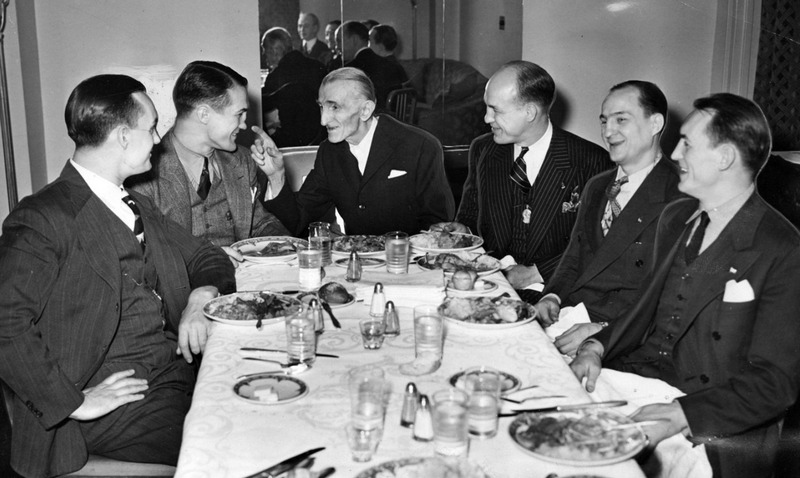 There are at least two more persons at the table, noticable in the window behind Tesla. The last person could be Charles F. Scott (1864-1944), Tesla’s assistent. 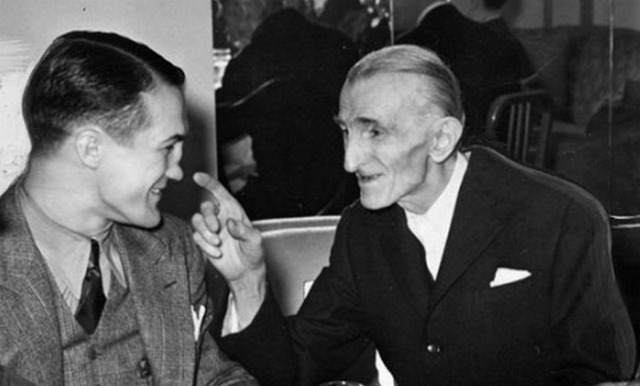 This is the only known photo where Tesla smiles! This has been noticed by Mr. Mario Filipi, many thanks to him. This very nice and amusing photo has been shot in 1941, just two years before Tesla’s death. 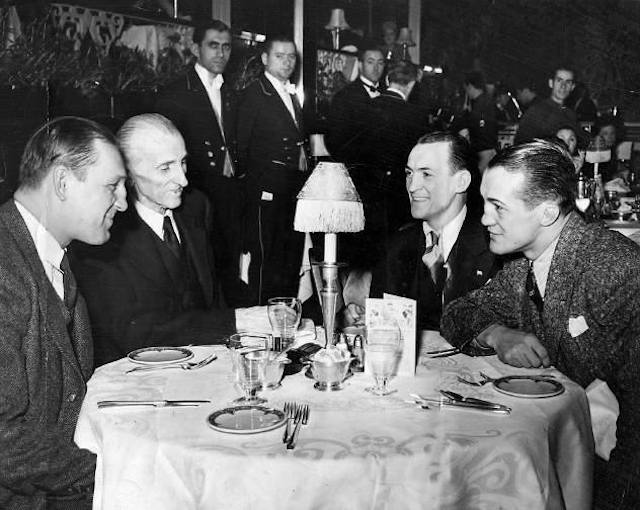 Pior to 1880, Tesla got acquainted with great Czech comsposers Smetana and Dvor 3/4 ak, that he was later meeting in Metropolitan Opera in New York; see [Pete1iae, p. 40]. Bust of Nikola Tesla within the Faculty of Electrical Engineering and Computing (of the University of Zagreb) and in the Technical Museum in Zagreb was carved in 1930s by Emil Bohutinsky, Croatian sculptor born in Kri 3/4 evci near Zagreb. Ferdinand Kovaeeviae (Smiljan 1838-Zagreb 1913), patented duplex connection for telephone transmission. Kovaeeviae was born in the village of Smiljan, as well as Tesla. 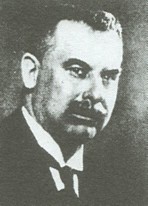  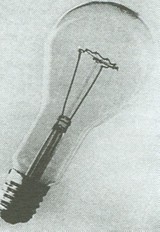 He patented it with Alexander Just from Austria. 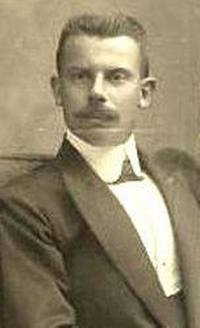
Prior to the First World War, Nikola Tesla was visited by a young Croatian chemist and metalurgist Franjo Hanaman (1878-1941), professor of High Technical School in Zagreb (see [Njegovan, p. 64]). Hanaman, in cooperation with Aleksander Just, constructed the well known electric bulb with wolfram filament, and it was patented in 1903. During Hanaman’s sojourn in the USA in 1910, this patent was bought from him by General Electric Co. Bilions of them were produced during the 20th century and until today. In this way, Hanaman and Just abolished Edison’s bulb with the carbon filament (introduced in 1881), similarly as Tesla abolished Edison’s DC (direct current) system by introducing his AC (alternating current) system in the 1890s. Franjo Hanaman started to work at the High Technical School in Zagreb, founded in 1919, and since 1924 he served as the rector of this institution. He has a great merit that in 1926 it became the Technical Faculty within the University of Zagreb. See Josip Moser: Franjo Hanaman i njegovo djelo [PDF].
According to Josip Moser (president of the Electrotechnical Society Zagreb), a prestigios Austrian society called Elektrotechnischer Verein, among its 181 founding members in 1886 in Vienna, as amny as 40 of them were from Croatia. We mention for example
Fiorello LaGuardia, Nikola Tesla and Croatian language Tesla’s Eulogy given by Mayor Fiorello LaGuardia in 1943, New York. 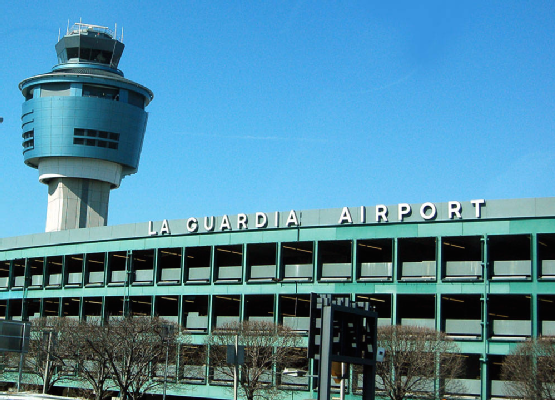 The city of Rijeka has a street named after Fiorello LaGuardia. On the Ellis Island in front of New York, there is the Ellis Island Immigration Museum. From the description of Fiorello H. LaGuardia (1882-1947) exhibited there, it is clear that he was fluent in Croatian language (see [Vladimir Novak, Croatians in America, p. 71].):
He was also fluent in Yiddish (source: Fiorello La Guardia: Ultimate American, and in particular this photo):
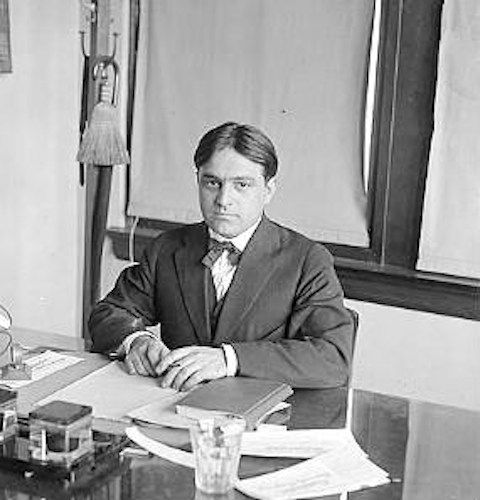 where he accepted immigrants to the USA. The photo is from about 1910. Source: Fiorello La Guardia: Ultimate American. Fiorello LaGuardia himself wrote the following lines (source: Fiorello La Guardia: Ultimate American, especially this photo):
LaGuardia’s grandfather Abraham Isaac Coen was born in 1833 in the city of Split, as a member of the Jewish community in this city, which has existed there for centuries. See [Vladimir Novak, Croatians in America, p. 71]. Tesla’s predictions of Internet and mobile phone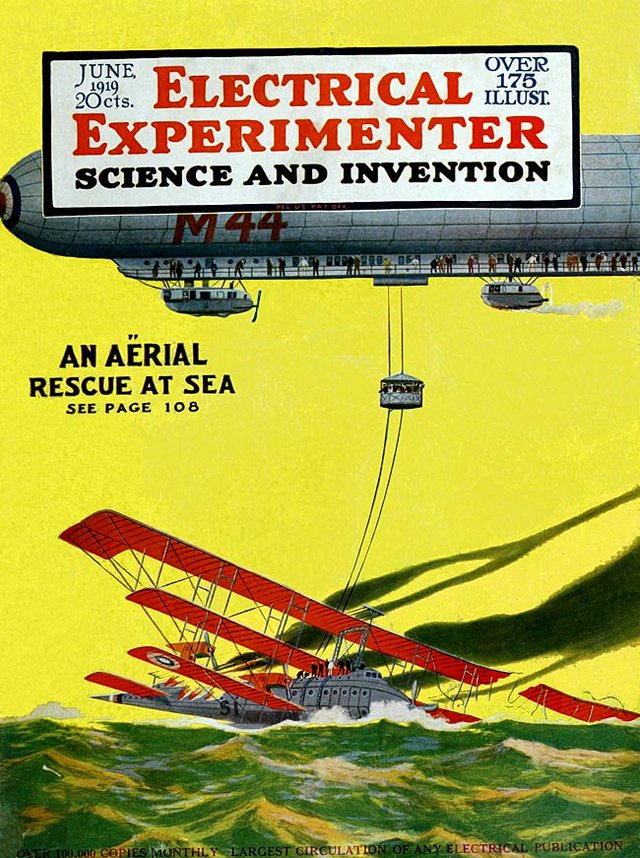 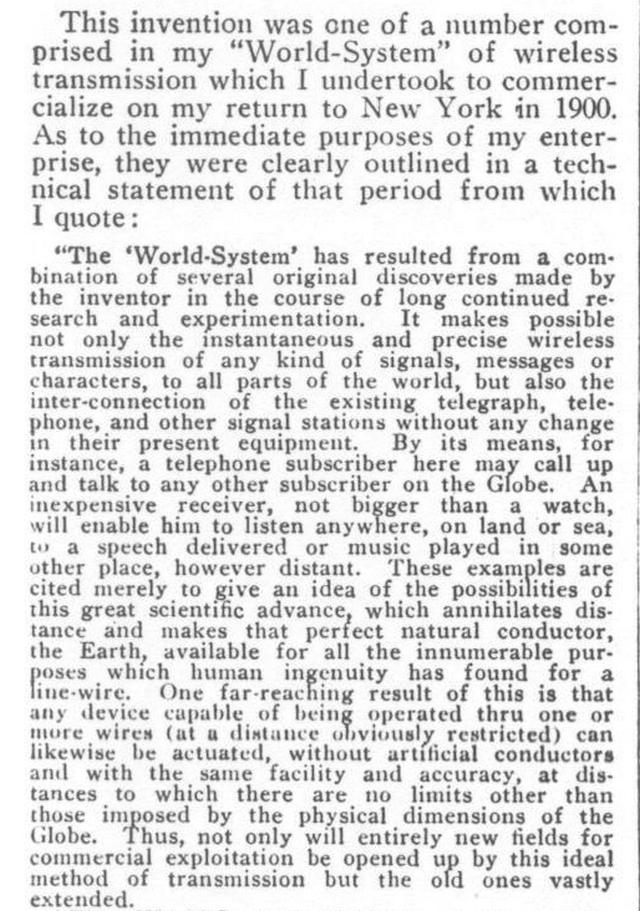 Nikola Tesla in his autobiography My Inventions, published by Electrica Experimenter in 1919, in the fifth part of his series (entitled The Magnifying Transmitter), for the first time announces to the broad public his prediction of the advent of mobile phones, and even of the Internet:
Colliers journal of January 30th, 1926, published an interview of John B. Kennedy with Nikola Tesla, under the title When woman is a boss, in which Tesla predicts very explicitly the advent of what we call today Internet and mobile phones.
Let us not forget that Tesla announces his visionary prediction in the period of the deaf film, which lasts until the end of 1920s! Acknowledgements: Gymnasium in Karlovac (in particular to Sanda Furjaniae and Antun Milinkoviae), Croatian School Museum in Zagreb, Vladimir Muljeviae, Vatroslav Lopa1iae, Nikola Piasevoli, Zvonko Beneiae, (R)eljko Hanj1, Marijan O 3/4 aniae, (R)eljko Krnjak, Dina (C)imuniae, Milica Kesler, Jasenka Ferber Bogdan. 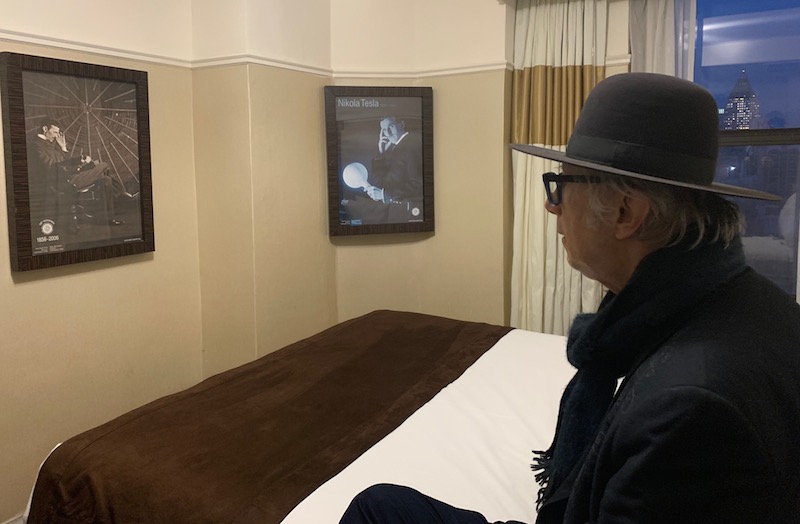 Nenad Bach in Room 3327 of Hotel New Yorker, where Nikola Tesla spent the last period of his life, 1934-1943.
Literature
|